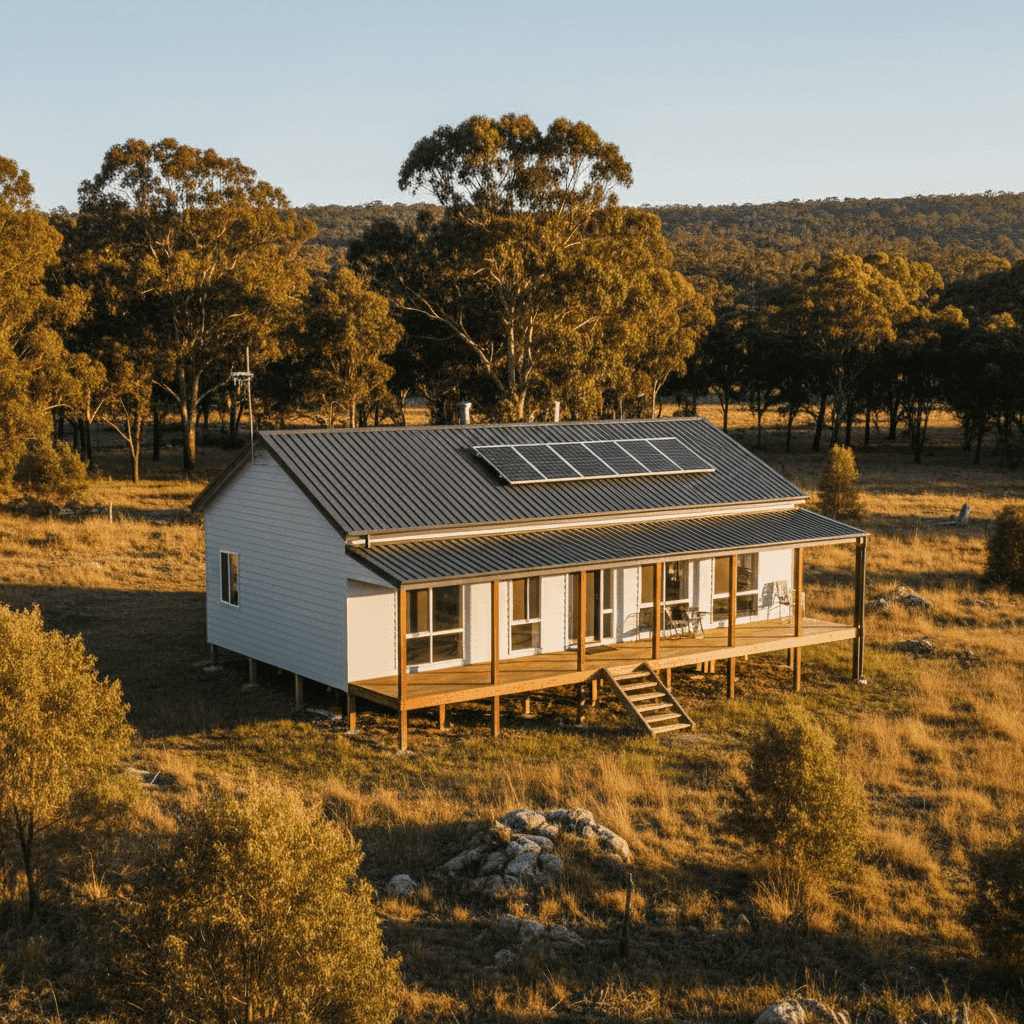
If you own a free standing home in Abercrombie River, NSW 2795, you might be wondering whether you're paying too much — or too little — for your home and contents insurance. This article breaks down a real insurance quote for a 3-bedroom, 2-bathroom property in the area, puts the premium in context against local, state, and national benchmarks, and offers practical tips to help you get the best value cover.
---
Is This Quote Fair?
The annual premium for this quote comes in at $2,417 per year (or $243 per month), covering a building sum insured of $575,000 and contents valued at $109,000. Our pricing analysis rates this as CHEAP — below average for the area.
That's a meaningful result. In a state like NSW, where home insurance premiums have been climbing steadily in the wake of flood events, bushfires, and broader economic pressures, landing a below-average premium is genuinely good news for the homeowner. The building excess sits at $3,000 and the contents excess at $1,000 — slightly higher excesses, which is one of the factors that can help keep annual premiums lower.
For a property of this size (214 sqm) with a solid sum insured, paying under $2,500 a year for combined home and contents cover represents solid value — provided the policy terms and inclusions meet your needs.
---
How Abercrombie River Compares
To understand just how competitive this quote is, it helps to look at the broader picture. You can explore detailed local data on the Abercrombie River insurance stats page.
| Benchmark | Annual Premium |
|---|---|
| This quote | $2,417 |
| LGA (Cabonne) average | $2,309 |
| National average | $2,965 |
| National median | $2,716 |
| NSW average | $3,801 |
| NSW median | $3,410 |
A few things stand out here. The NSW state average of $3,801 is dramatically higher than this quote — nearly $1,400 more per year. That gap reflects the outsized premiums being paid in high-risk coastal and flood-prone areas of NSW, which pull the state average upward considerably. You can view the full NSW insurance statistics here.
Compared to the national average of $2,965, this quote is still around $550 cheaper. Even against the national median of $2,716, the premium comes in comfortably below the midpoint.
The closest comparison — the Cabonne LGA average of $2,309 — is slightly lower than this quote, suggesting that some properties in the broader local government area may attract even more competitive rates. However, individual property characteristics, sum insured levels, and the specific insurer's pricing model all play a role in the final figure.
---
Property Features That Affect Your Premium
Every home is different, and insurers assess a range of property-specific factors when calculating your premium. Here's how the features of this particular property are likely influencing the cost:
Construction Materials
The home features Hardiplank/Hardiflex external walls and a steel/Colorbond roof — both of which are viewed favourably by most insurers. Fibre cement cladding like Hardiflex is fire-resistant and durable, while Colorbond roofing is robust and well-suited to the Australian climate. These materials generally attract lower premiums compared to timber weatherboard or older tile roofs.
Foundation & Elevation
The property sits on stumps and is elevated by less than 1 metre. Stump foundations are common in regional NSW and can be a neutral-to-positive factor, depending on the insurer. The slight elevation may offer modest protection against surface water ingress, though it's not significant enough to dramatically shift flood-related risk assessments.
Flooring
Timber and laminate flooring throughout is a standard feature in regional homes. While attractive, these materials can be more susceptible to water damage than tiles, which is worth keeping in mind when setting your contents sum insured.
Solar Panels
The presence of solar panels is increasingly common and most insurers now include them as part of the building sum insured. It's worth confirming with your insurer that the panels are explicitly covered under your policy, particularly for damage from storms or hail.
Ducted Climate Control
Ducted climate control is a higher-value fixture that contributes to the overall building replacement cost. At $575,000 sum insured, it's important to ensure this figure accurately reflects the full cost of rebuilding the home from scratch — including all fixed fittings and systems.
No Pool, No Cyclone Risk
The absence of a swimming pool removes a common liability and maintenance cost factor from the equation. Being outside a designated cyclone risk area also keeps the premium from attracting the significant loading that applies to properties in northern Queensland and parts of WA.
---
Tips for Homeowners in Abercrombie River
Whether you're reviewing an existing policy or shopping for new cover, here are four practical steps to make sure you're getting the right protection at a fair price.
1. Review your building sum insured regularly Construction costs have risen sharply in recent years. The sum insured on your policy should reflect the current cost to rebuild your home — not its market value. Use an independent building cost calculator or speak with a local builder to sense-check your figure annually.
2. Check that your solar panels are covered Ask your insurer directly whether solar panels are included in your building cover and under what circumstances. Some policies exclude storm damage to panels or cap payouts — knowing this upfront avoids nasty surprises at claim time.
3. Consider your excess trade-off carefully This policy carries a $3,000 building excess. A higher excess typically lowers your annual premium, but it means you'll need to cover more out of pocket if you need to make a claim. Make sure your excess level is something you could genuinely manage financially.
4. Compare quotes before renewal Even if your current premium looks competitive, insurers adjust their pricing models regularly. It's worth comparing quotes at least once a year — especially as your property ages or if you've made improvements. Get a quick home insurance quote at CoverClub to see how your current policy stacks up.
---
Ready to Compare?
Whether you're a long-term Abercrombie River resident or new to the area, making sure your home and contents insurance is both adequate and competitively priced is one of the most important financial steps you can take. CoverClub makes it easy to compare real quotes from leading Australian insurers in minutes.