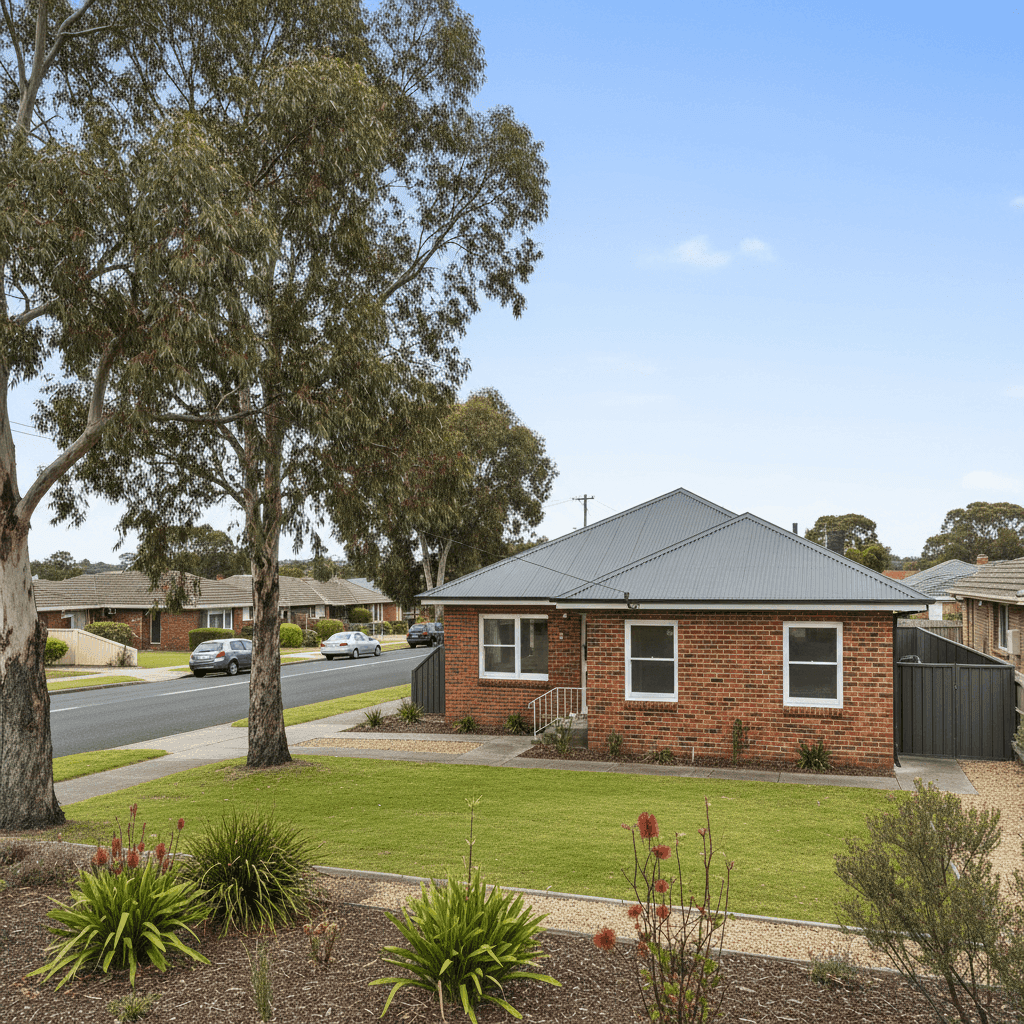
If you own a free standing home in Acton, TAS 7320, you're probably curious about whether your home insurance premium is competitive — or whether you're leaving money on the table. This article breaks down a real home and contents insurance quote for a four-bedroom property in Acton, benchmarks it against Tasmanian averages and national figures, and offers practical tips to help you get the best value cover.
---
Is This Quote Fair?
The quote in question comes in at $889 per year (or roughly $83 per month) for combined home and contents insurance — covering a building sum insured of $650,000 and contents valued at $105,000. CoverClub's pricing engine rates this as CHEAP (Below Average), meaning it sits well below what most Australian homeowners are paying for comparable cover.
To put that into perspective: the average home and contents premium across Tasmania sits at $2,458 per year, with a state median of $2,272. Nationally, the average climbs even higher to $2,965 per year, with a median of $2,716. Against either benchmark, this quote represents exceptional value — coming in at roughly 36% of the Tasmanian average and just 30% of the national average.
For a property of this size and construction type, a sub-$900 annual premium is genuinely impressive. Of course, premiums vary based on insurer, coverage inclusions, and individual risk factors, so it's always worth comparing multiple quotes to ensure the policy terms match the price.
---
How Acton Compares
While suburb-level data for Acton isn't available in sufficient volume to draw statistically robust conclusions, we can look at the broader local government area. The Burnie LGA average premium is $2,099 per year — still more than double the quote analysed here, and notably lower than the state average, which suggests the Burnie region benefits from relatively contained risk factors compared to other parts of Tasmania.
For a full picture of how insurance costs stack up in this postcode, visit the Acton suburb stats page or explore Tasmania-wide insurance data for broader context. You can also check out national home insurance statistics to see how Tassie stacks up against the rest of the country.
| Benchmark | Annual Premium |
|---|---|
| This Quote | $889 |
| Burnie LGA Average | $2,099 |
| TAS State Average | $2,458 |
| TAS State Median | $2,272 |
| National Average | $2,965 |
| National Median | $2,716 |
---
Property Features That Affect Your Premium
Several characteristics of this particular property are likely contributing to its favourable premium. Understanding how each feature influences risk — and therefore cost — can help you make smarter decisions about your cover.
Brick Veneer Walls
Brick veneer is generally viewed positively by insurers. It offers solid fire resistance and structural durability compared to timber or weatherboard cladding, which can reduce the perceived risk of total loss in the event of a fire or storm. That said, brick veneer can be more expensive to repair than full brick due to the cavity construction, so it's not without nuance.
Steel/Colorbond Roof
Colorbond roofing is a popular choice across Australia for good reason — it's lightweight, durable, and highly resistant to bushfire ember attack. Insurers tend to view it favourably, particularly in areas with any fire risk exposure. It's also low-maintenance, which can reduce the likelihood of gradual damage claims over time.
Stump Foundation
The property sits on stumps, which is common for homes built in the mid-twentieth century across Tasmania and Victoria. Stump foundations can introduce some risk of subsidence or movement over time, particularly if stumps deteriorate. Homeowners should periodically inspect stumps for rot or pest damage, as undetected deterioration could affect both the structural integrity of the home and the validity of certain claims.
Construction Year: 1966
At nearly 60 years old, this home falls into the category of older dwellings. Older properties can attract higher premiums from some insurers due to ageing plumbing, wiring, and structural components. The fact that this quote is still well below average suggests either the property has been well-maintained, or the insurer has assessed the risk profile favourably given the other construction features.
130 sqm Building Size
At 130 square metres, this is a modestly sized home relative to its four-bedroom layout. A smaller footprint generally means lower rebuild costs, which can translate to a more competitive premium — provided the sum insured accurately reflects current construction costs in the area.
No Pool, Solar Panels, or Ducted Climate Control
The absence of a pool eliminates liability and equipment risks. No solar panels means no inverter or panel-related claims exposure. And without ducted climate control, there's no complex HVAC system that could fail and cause water or structural damage. Each of these omissions simplifies the risk profile for the insurer.
---
Tips for Homeowners in Acton
Whether you're reviewing your existing policy or shopping for new cover, here are four practical steps Acton homeowners can take to make the most of their insurance.
1. Verify Your Sum Insured Reflects Rebuild Costs
$650,000 as a building sum insured may be appropriate for this property, but construction costs have risen significantly across Australia in recent years. Use a building cost calculator or speak with a local builder to confirm your sum insured would genuinely cover a full rebuild — not just the market value of the land and structure combined.
2. Inspect Your Stumps Regularly
Stump foundations require periodic maintenance. Engage a licensed building inspector every few years to check for rot, pest damage, or movement. Some insurers may not cover damage caused by gradual deterioration, so staying ahead of any issues protects both your home and your claim eligibility.
3. Review Your Contents Value Annually
With $105,000 in contents cover, it's worth doing a quick audit each year to ensure that figure still reflects what you own. Electronics, appliances, furniture, and valuables all add up — and being underinsured on contents can leave you significantly out of pocket after a major event.
4. Compare Quotes Before Renewal
Even if your current premium is competitive, insurers regularly adjust their pricing models. Set a reminder to compare quotes a few weeks before your renewal date. A quick comparison on CoverClub could reveal meaningful savings — or confirm you're already on the best deal available.
---
Ready to Compare Home Insurance in Acton?
Whether this quote is yours or you're simply benchmarking what's possible, the data is clear: home insurance premiums in Acton can vary enormously. The best way to ensure you're getting fair value is to compare multiple policies side by side. [Get a home insurance quote on CoverClub](https://coverclub.com.au/?focus=address) and see how your premium stacks up against Tasmanian and national averages — it only takes a few minutes and could save you hundreds of dollars a year.