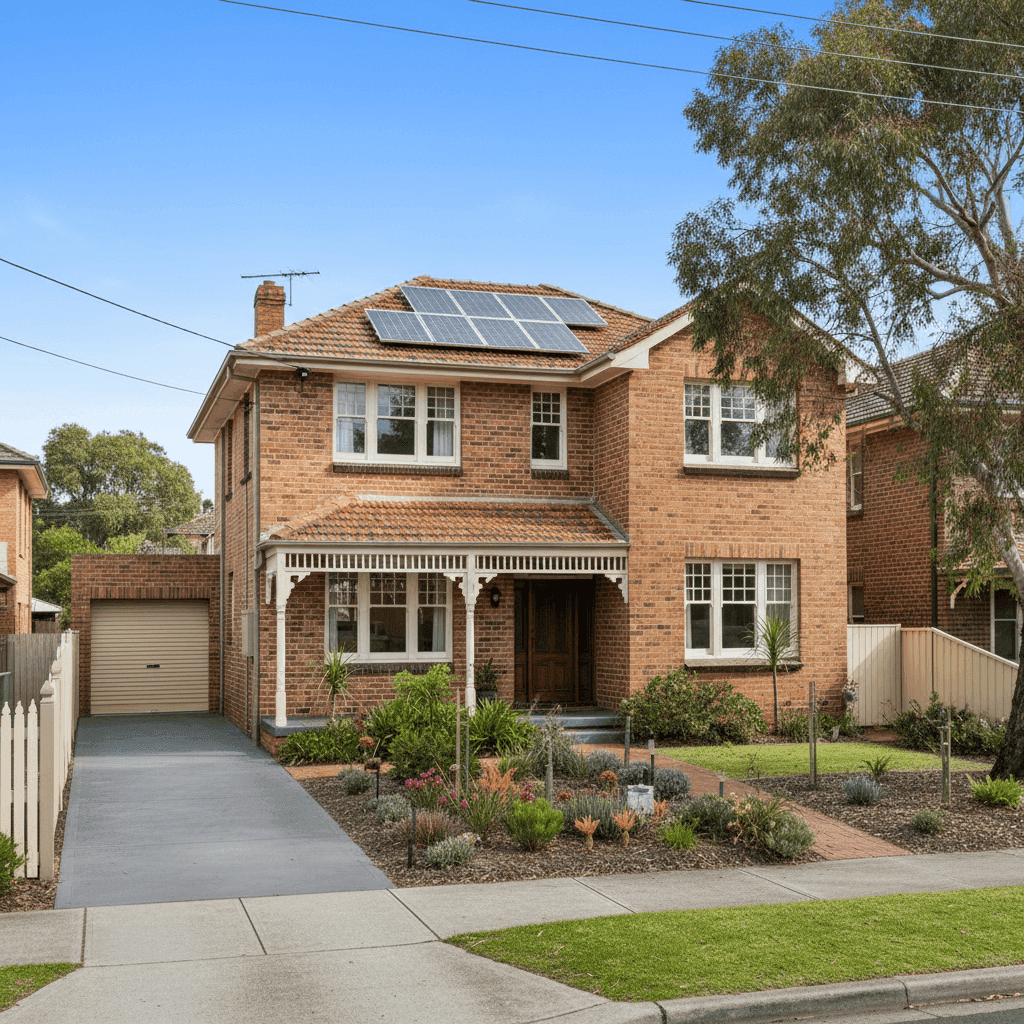
If you own a free standing home in Adelaide, SA 5000, you're probably wondering whether the premium you've been quoted is competitive — or whether you're quietly paying more than you should be. This article breaks down a real home and contents insurance quote for a three-bedroom, two-bathroom property in Adelaide's inner postcode, comparing it against suburb, state, and national benchmarks so you can make a genuinely informed decision.
---
Is This Quote Fair?
The quoted annual premium for this property is $1,240 per year (or roughly $115 per month), covering both building and contents with a building sum insured of $725,000 and contents valued at $50,000.
Our price rating for this quote is FAIR — Around Average, which is an honest and useful result. It means you're not being gouged, but you're also not sitting at the bottom of the market. Based on suburb-level data for Adelaide SA 5000, the suburb average premium sits at $1,162/yr and the median is $1,133/yr, so this quote lands just slightly above the typical range for comparable properties in the area.
The spread of premiums across the suburb is worth noting: the 25th percentile sits at $688/yr, while the 75th percentile reaches $1,649/yr. That's a wide band, which tells us insurers are pricing Adelaide SA 5000 properties quite differently depending on the specific risk profile. At $1,240, this quote falls comfortably within the middle of that range — not the cheapest available, but well clear of the expensive end.
The building excess on this policy is $5,000, which is relatively high. A higher excess typically reduces your premium, so it's worth considering whether you'd prefer a lower excess in exchange for a slightly higher annual cost. The contents excess of $500 is more standard and unlikely to cause concern.
---
How Adelaide Compares to the Rest of Australia
Context matters enormously when assessing a home insurance premium. Here's how Adelaide SA 5000 stacks up:
| Benchmark | Average Premium | Median Premium |
|---|---|---|
| Adelaide SA 5000 (suburb) | $1,162/yr | $1,133/yr |
| LGA – Adelaide | $1,504/yr | — |
| SA State average | $2,433/yr | $1,679/yr |
| National average | $5,347/yr | $2,764/yr |
The numbers tell a clear story. Homeowners in Adelaide SA 5000 are paying significantly less than the South Australian state average and a fraction of the national average. Compared to the SA state-wide figures, this suburb's median of $1,133 is roughly 33% below the state median of $1,679 — a meaningful difference.
Zoom out further to the national picture and the gap becomes striking. The national average of $5,347 is more than four times the suburb average here, driven largely by high-risk areas in Queensland, northern Western Australia, and parts of the Northern Territory where cyclone, flood, and storm risk pushes premiums into the stratosphere. Adelaide SA 5000, by contrast, benefits from a relatively benign natural hazard environment.
---
Property Features That Affect Your Premium
Every property is different, and insurers price risk based on a combination of factors. Here's how the specific features of this home influence the premium:
Double Brick Construction Double brick is one of the most favoured wall types among Australian insurers. It's robust, fire-resistant, and generally holds up well in storms. Properties with double brick exteriors often attract more competitive premiums compared to timber or clad alternatives, and this home benefits from that structural advantage.
Tiled Roof Terracotta or concrete tile roofs are considered low-to-moderate risk by most insurers. They're durable and long-lasting, though they can be more expensive to repair than Colorbond if individual tiles crack or shift. Overall, tiles are a neutral-to-positive factor for premium pricing.
Slab Foundation A concrete slab foundation is generally viewed favourably — it's stable, resistant to subsidence, and less susceptible to pest damage than timber stumps. For a 1986-built home, a slab foundation is a solid asset.
Built in 1986 At nearly 40 years old, this home is considered established but not aged. Insurers may factor in the likelihood of ageing plumbing, wiring, or roofing materials. It's worth ensuring your sum insured reflects the current cost to rebuild — not just the market value — especially as construction costs have risen sharply in recent years.
Solar Panels This property has solar panels, which adds a modest layer of complexity to home insurance. Panels themselves are typically covered under building insurance, but it's important to confirm this with your insurer. Damage from hail, falling branches, or electrical faults should be included in your policy wording.
Ducted Climate Control Ducted air conditioning systems are a fixed installation covered under building insurance. They represent a meaningful replacement cost if damaged, and their presence is one reason a higher sum insured is warranted for this property.
Above-Average Fittings Quality The above-average fittings quality — think stone benchtops, quality appliances, and premium fixtures — directly supports the $725,000 building sum insured. Underinsuring a well-appointed home is a common and costly mistake, so it's reassuring to see the sum insured reflect the true rebuild cost.
---
Tips for Homeowners in Adelaide SA 5000
1. Review your sum insured annually Construction costs in South Australia have increased considerably over the past few years. The $725,000 sum insured on this policy should be reviewed each year to ensure it still reflects the actual cost of rebuilding your home from scratch — not just its market value. Many insurers offer a building cost calculator to help.
2. Consider whether your excess is working for you The $5,000 building excess on this policy is on the higher end. While it helps reduce the annual premium, it means you'd be out of pocket significantly before your insurer steps in. If you'd struggle to cover that amount in an emergency, it may be worth requesting a quote with a lower excess to see how it affects your premium.
3. Confirm your solar panels are covered Solar panel coverage can vary between policies. Check your Product Disclosure Statement (PDS) to confirm panels are included under building cover, and understand what events are covered — particularly storm damage and electrical surge.
4. Don't set and forget Insurance is one of those things that's easy to auto-renew without a second thought. But the market changes, and so does your property. Use renewal time as an opportunity to compare quotes — you may find a comparable policy at a noticeably lower price.
---
Compare Your Own Quote with CoverClub
Whether you're a first-time buyer or a long-time Adelaide homeowner, it pays to know where your premium sits in the market. CoverClub makes it easy to benchmark your quote against real data from properties like yours.
Get a home insurance quote today at CoverClub and see how your premium compares to your neighbours — in seconds, for free.