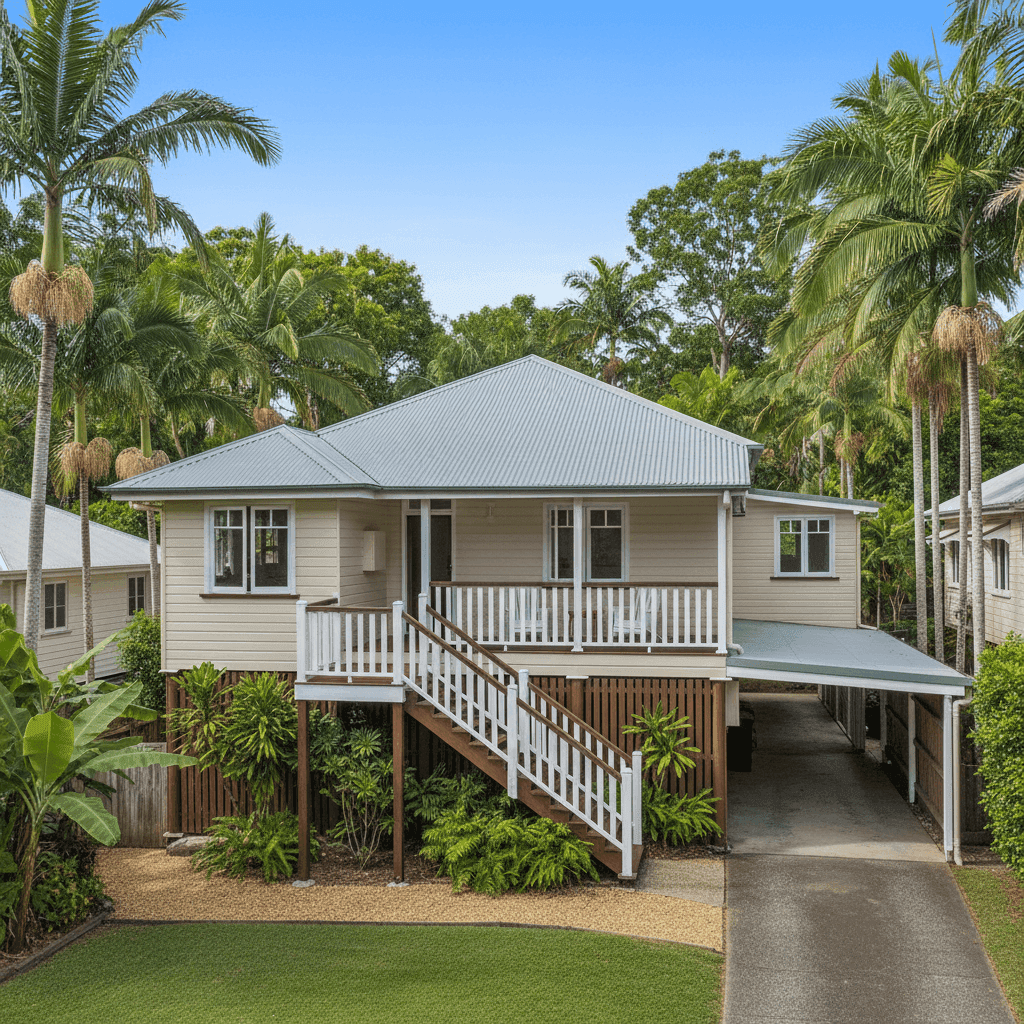
If you own a free standing home in Aeroglen, QLD 4870, you already know that insuring a property in Far North Queensland comes with its own set of challenges — and costs. This article takes a close look at a recent building insurance quote for a 3-bedroom, 1-bathroom weatherboard home in Aeroglen, unpacking what's driving the premium, how it stacks up against Queensland and national benchmarks, and what homeowners in the area can do to manage their costs.
---
Is This Quote Fair?
The quoted annual premium for this property is $26,973 per year (or $2,585/month), covering building only with a sum insured of $528,000 and a building excess of $5,000. Our price rating for this quote is EXPENSIVE — above average.
To put that in perspective: the average home insurance premium across Queensland sits at $9,129 per year, while the national average is $5,347 per year. This quote is nearly three times the Queensland average and roughly five times the national average. That's a significant gap, and it's not accidental.
Aeroglen is located on the outskirts of Cairns, a region that sits firmly within Australia's cyclone belt. Insurers price this risk heavily into premiums for properties across Far North Queensland, and Aeroglen is no exception. The LGA average for Cairns comes in at $12,404 per year — itself well above the state and national averages — yet this quote still exceeds even that local benchmark by a considerable margin. The combination of property-specific risk factors (more on those below) helps explain the additional loading.
---
How Aeroglen Compares
Here's a snapshot of how this quote sits relative to broader benchmarks:
| Benchmark | Annual Premium |
|---|---|
| This Quote | $26,973 |
| Cairns LGA Average | $12,404 |
| QLD State Average | $9,129 |
| QLD State Median | $3,903 |
| National Average | $5,347 |
| National Median | $2,764 |
The gap between the state median ($3,903) and this quote is particularly striking — a reminder that averages can be skewed by high-risk properties like this one. The Queensland state average reflects the diversity of risk across the entire state, from low-risk suburban Brisbane homes to high-risk coastal and cyclone-prone properties. Similarly, the national average encompasses everything from inner-city apartments to rural homesteads.
For Aeroglen specifically, the elevated Cairns LGA average signals that insurers are well aware of the regional risk profile. Homeowners here should expect to pay a premium above the state norm — but understanding why is the first step to managing it.
---
Property Features That Affect Your Premium
Several characteristics of this particular property contribute to its high premium. Let's break them down:
Cyclone Risk Zone
This is the single biggest driver. Aeroglen falls within a designated cyclone risk area, and insurers apply significant loadings to properties in these zones. Cyclone damage can be catastrophic and widespread, and the cost of rebuilding after a major event is enormous — both for individual homeowners and across entire communities simultaneously.
Weatherboard Timber Construction
Weatherboard wood external walls are considered a higher-risk construction type compared to brick or rendered masonry. Timber is more susceptible to wind damage, moisture ingress, and fire spread — all of which translate to higher premiums. In a cyclone-prone region, this risk is amplified considerably.
Elevated on Stumps
The property sits elevated by at least one metre on stumps — a classic Queenslander design that offers excellent flood and ventilation benefits but also presents structural exposure during high-wind events. Insurers assess the underfloor area as an additional vulnerability in cyclone conditions.
Steel/Colorbond Roof
A Colorbond steel roof is generally viewed positively by insurers compared to older tile or fibrous cement roofing — it's durable, lightweight, and performs reasonably well in high winds when properly installed. This may provide a slight moderating influence on the premium, though it's unlikely to offset the other risk factors significantly.
Timber/Laminate Flooring & Standard Fittings
These internal features have a modest impact on the overall premium. Timber and laminate flooring is standard for elevated Queenslander-style homes and doesn't dramatically shift the risk profile either way.
Ducted Climate Control
The presence of ducted climate control is noted as an insured feature. This adds to the replacement cost of the building and contributes to the overall sum insured of $528,000, which in turn affects the premium calculation.
Building Size: 130 sqm
At 130 square metres, this is a modest-sized home, but the sum insured of $528,000 reflects the true cost of rebuilding in a regional area — including labour, materials, and the logistical challenges of construction in Far North Queensland.
---
Tips for Homeowners in Aeroglen
Managing home insurance costs in a cyclone-prone area isn't easy, but there are practical steps worth exploring:
1. Shop Around and Compare Quotes
Premiums for the same property can vary enormously between insurers. Some providers specialise in high-risk regional properties and may offer more competitive pricing. Using a comparison platform like CoverClub makes it easy to see multiple quotes side by side without the legwork.
2. Review Your Sum Insured Carefully
Underinsurance is a real risk, but so is overinsurance. Make sure your sum insured reflects the actual cost to rebuild your home — not its market value. A qualified quantity surveyor or building estimator can help you arrive at an accurate figure, which may reduce your premium if your current estimate is too high.
3. Consider a Higher Excess
This quote already carries a $5,000 building excess. If you're financially able to absorb a higher out-of-pocket cost in the event of a claim, opting for an even higher voluntary excess can bring your annual premium down. Discuss the trade-offs with your insurer before making changes.
4. Invest in Cyclone Mitigation
Some insurers offer premium discounts for properties that have been cyclone-hardened. This might include upgrading roof tie-downs and fixings to meet current Australian Standards, installing cyclone-rated shutters or screens, or having a licensed builder assess and certify the structural integrity of your home. These improvements can also significantly reduce the risk of serious damage — a win on multiple fronts.
---
Ready to Find a Better Deal?
A premium of nearly $27,000 a year is a substantial household expense. Whether you're renewing your policy or insuring a new purchase, it's always worth comparing your options. Get a quote through CoverClub to see how different insurers price your property — you might be surprised by the range. You can also explore Aeroglen suburb insurance stats and Queensland-wide data to better understand how your premium fits into the broader picture.