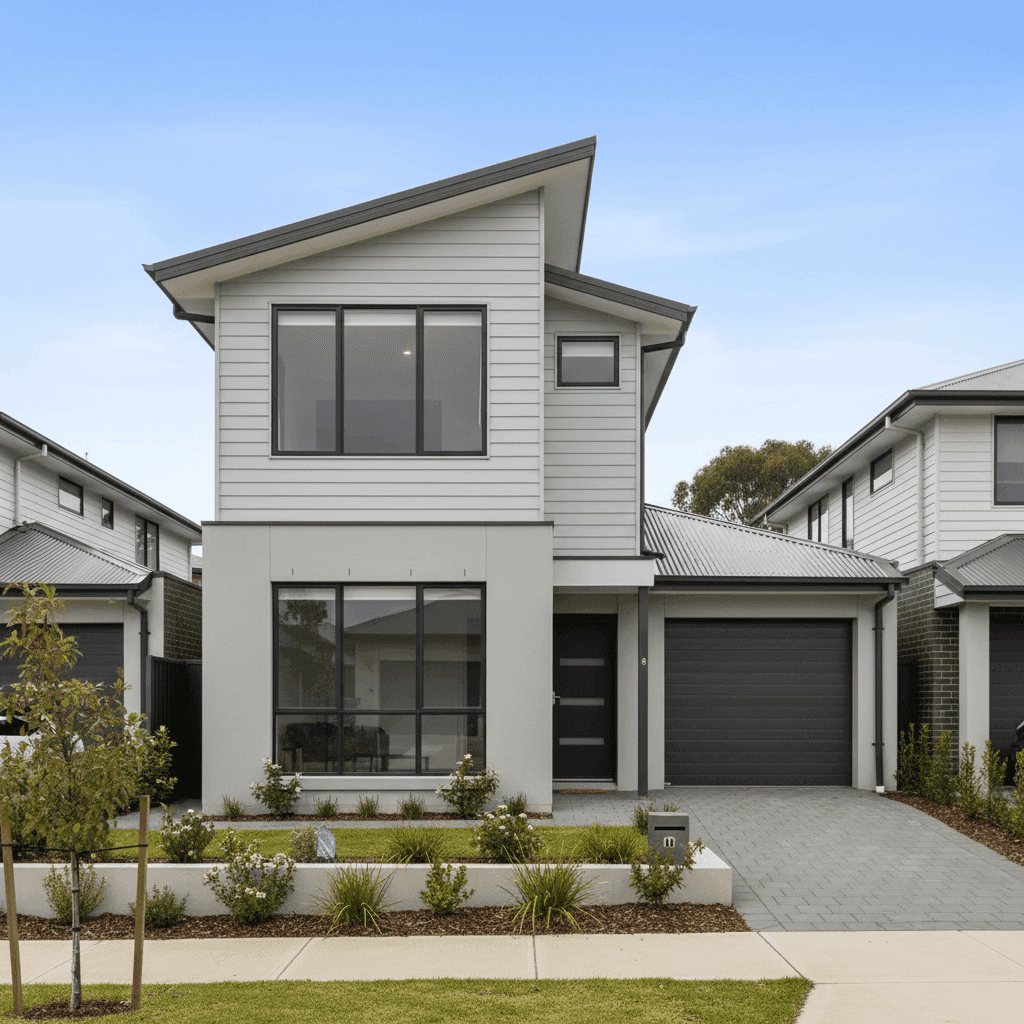
If you own or are considering purchasing a townhouse in Aintree, VIC 3335, you're probably curious about what a fair home insurance premium looks like. Aintree is a relatively new suburb in Melbourne's rapidly growing west, sitting within the City of Melton. With modern streetscapes, contemporary builds, and a young community, it's an area where getting the right home and contents cover — at the right price — matters. This article breaks down a real quote for a four-bedroom, three-bathroom townhouse in the suburb, compares it against local, state, and national benchmarks, and offers practical tips to help you make the most of your policy.
---
Is This Quote Fair?
The annual premium for this property came in at $1,839 per year (or $180 per month), covering both building and contents. The building is insured for $614,000 and contents for $100,000, with a $1,000 excess applying to each.
Our pricing model rates this quote as CHEAP — below average for the market. That's genuinely good news for the homeowner. In a climate where insurance premiums across Australia have been climbing steadily due to inflation, extreme weather events, and rising rebuild costs, landing a below-average premium is worth noting.
The below-average rating reflects a combination of favourable factors: a modern construction year (2019), low-risk building materials, a non-cyclone-prone location, and the absence of high-risk features like a swimming pool or older roofing. We'll explore each of these in more detail below.
---
How Aintree Compares
To put this quote in context, here's how it stacks up against broader market data:
| Benchmark | Annual Premium |
|---|---|
| This quote | $1,839 |
| LGA (Melton) average | $1,803 |
| VIC state average | $2,921 |
| VIC state median | $2,694 |
| National average | $2,965 |
| National median | $2,716 |
This quote sits almost exactly in line with the Melton LGA average of $1,803, which suggests it's well-calibrated for the local area. Compared to the broader Victorian average of $2,921, it represents a saving of over $1,000 per year — a significant difference. Against the national average of $2,965, the gap is even wider.
It's worth noting that suburb-level data for Aintree is still emerging given its relatively recent development. As more properties in the area are insured and claims data accumulates, suburb-specific benchmarks will become more refined. You can keep an eye on Aintree's local insurance stats as that data builds over time.
The lower premiums in the Melton LGA compared to the Victorian and national averages are likely influenced by the area's newer housing stock, lower flood and bushfire risk relative to other parts of Victoria, and the absence of the older infrastructure that tends to drive up rebuild costs in established suburbs.
---
Property Features That Affect Your Premium
Several characteristics of this particular townhouse contribute to its competitive premium. Here's what's working in the homeowner's favour:
Modern Construction (2019)
Newer homes are generally cheaper to insure. A 2019 build means the property complies with contemporary Australian building codes, which include improved structural standards, fire resistance requirements, and energy efficiency measures. Insurers view newer homes as lower risk compared to properties built decades ago with potentially outdated materials or wiring.
Hardiplank / Hardiflex Exterior Walls
Fibre cement cladding such as Hardiplank and Hardiflex is a popular choice in modern Australian construction — and for good reason. It's durable, resistant to moisture and pests, and carries a solid fire-resistance rating. From an insurer's perspective, this is a low-risk wall material compared to older weatherboard or certain composite claddings.
Steel / Colorbond Roof
Colorbond steel roofing is widely regarded as one of the most resilient roofing materials available in Australia. It handles heat, wind, and rain well, and is far less susceptible to storm damage than terracotta or concrete tiles. This is a meaningful factor in premium calculations.
Concrete Slab Foundation
A slab foundation is stable, well-understood by insurers, and less prone to subsidence or movement issues than some other foundation types. It's a neutral-to-positive factor in the risk assessment.
No Pool, No Solar Panels
While solar panels and swimming pools are common additions to Australian homes, they do add complexity — and sometimes cost — to insurance. Pools introduce liability considerations, and solar panels can complicate roof claims. The absence of both keeps this policy straightforward and the premium lean.
Ducted Climate Control
Ducted heating and cooling is a premium feature that adds to the replacement value of the home's fixtures and fittings. It's factored into the building sum insured rather than inflating the premium significantly on its own, but it's worth ensuring your sum insured accounts for the full cost of replacing this system.
---
Tips for Homeowners in Aintree
Whether you're renewing an existing policy or shopping around for the first time, here are four practical steps to make sure you're getting the best value on your home insurance.
1. Review Your Sum Insured Annually
Building costs have risen sharply in recent years. The $614,000 sum insured on this policy should reflect the full cost of rebuilding your townhouse from the ground up — not its market value. Make sure you're updating this figure each year, ideally using a building cost calculator, to avoid being underinsured in the event of a total loss.
2. Understand What Your Contents Cover Includes
A $100,000 contents sum is a reasonable starting point for a four-bedroom home, but it's easy to underestimate how much your belongings are actually worth. Do a room-by-room audit — furniture, electronics, clothing, appliances, and valuables — to make sure your contents cover reflects reality. Some items, like jewellery or artwork, may require separate listing.
3. Consider Your Excess Carefully
Both the building and contents excess on this policy sit at $1,000. A higher excess typically reduces your premium, while a lower excess means less out-of-pocket cost at claim time. Think about what you could comfortably afford to pay in an emergency and set your excess accordingly.
4. Compare Before You Renew
Insurers don't always reward loyalty with better pricing. Even if your current premium seems reasonable, it's worth comparing quotes at renewal time. The market can shift, and a competing insurer may offer equivalent or better cover for less. CoverClub makes it easy to compare options without the hassle.
---
Ready to Compare Your Options?
Whether you're a homeowner in Aintree or anywhere else in Australia, comparing home and contents insurance quotes is one of the simplest ways to make sure you're not overpaying. Head to CoverClub to enter your property details and see how your current premium stacks up against the market — it only takes a few minutes and could save you hundreds.