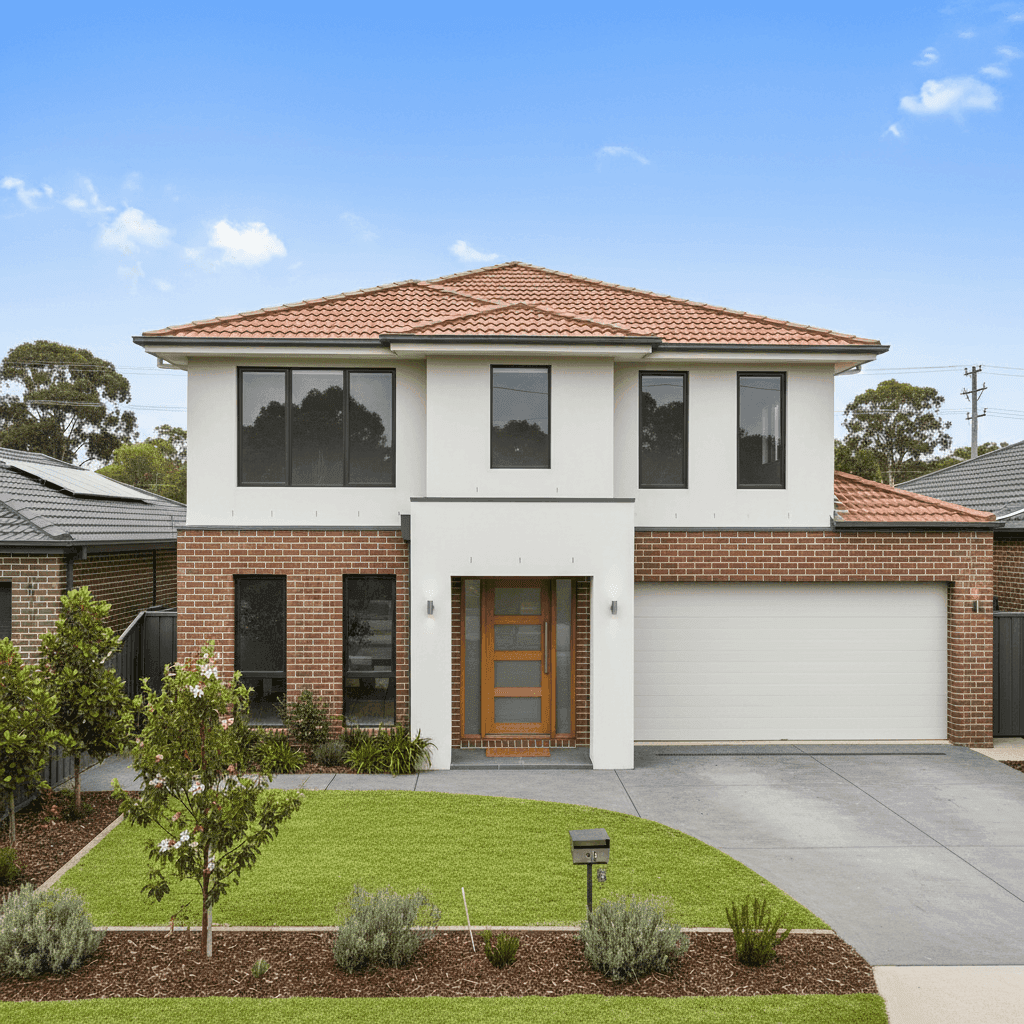
Aintree is one of Melbourne's fastest-growing outer-western suburbs, sitting within the City of Melton and attracting families with its modern estates, spacious blocks, and relatively affordable land. If you own a free-standing home here, understanding what you should be paying for home and contents insurance — and whether your current quote is competitive — can save you hundreds of dollars a year. This article breaks down a real quote for a four-bedroom, three-bathroom home in Aintree and puts it into context against local, state, and national benchmarks.
---
Is This Quote Fair?
The short answer: yes — it's genuinely excellent value.
The quote in question comes in at $1,110 per year (or $111 per month) for combined home and contents cover, with a building sum insured of $600,000 and contents valued at $50,000. Our pricing engine rates this as CHEAP — Below Average, meaning it sits well beneath what most comparable properties in the area are paying.
To put that in perspective, the suburb average for Aintree currently sits at $2,109 per year, and the median is $2,018 per year. Even the cheapest quarter of quotes in the suburb (the 25th percentile) comes in at $1,748 per year — still $638 more than this quote. In other words, this premium is cheaper than at least 75% of quotes we've seen for homes in the same postcode.
That's a meaningful saving. Over five years, the difference between this quote and the suburb average represents more than $4,995 in cumulative premiums — money that stays in your pocket.
One thing worth noting: the building excess is set at $3,000 and the contents excess at $1,000. A higher excess is one way insurers offer lower premiums, so it's worth considering whether you're comfortable covering that initial outlay in the event of a claim. For homeowners with a solid emergency fund, this trade-off often makes good financial sense.
---
How Aintree Compares
Zooming out to the broader picture, the savings look even more striking when compared against Victorian state averages and national benchmarks.
| Benchmark | Average Premium | Median Premium |
|---|---|---|
| This Quote | $1,110/yr | — |
| Aintree (3336) | $2,109/yr | $2,018/yr |
| LGA (Melton) | $2,509/yr | — |
| Victoria | $2,921/yr | $2,694/yr |
| National | $2,965/yr | $2,716/yr |
This quote is 47% below the Aintree suburb average, 56% below the Victorian state average, and 63% below the national average. Even within the City of Melton LGA — which averages $2,509 per year — this quote is less than half the going rate.
It's worth noting that Aintree itself is already a relatively affordable suburb to insure compared to broader Victorian and national figures. The Aintree suburb stats page shows that with a sample of 78 quotes, the local market is reasonably well-represented, and the suburb's premiums consistently track below both the state and national norm. This likely reflects the area's newer housing stock, lower flood and bushfire risk compared to many Victorian postcodes, and the absence of cyclone exposure.
---
Property Features That Affect Your Premium
Several characteristics of this particular property work in its favour from an insurance pricing perspective.
Construction year (2018): A relatively new build means modern engineering standards, compliant wiring, and up-to-date plumbing — all of which reduce the likelihood of structural or system failures. Insurers generally reward newer homes with lower premiums.
Double brick external walls: Double brick is one of the most resilient wall construction types available. It offers excellent fire resistance, superior structural integrity, and better protection against impact damage compared to timber or lightweight cladding. This is a meaningful risk-reduction factor.
Tiled roof: Terracotta or concrete tiles are a durable, low-maintenance roofing choice that performs well in most Australian conditions. Tiles are generally viewed favourably by insurers compared to older corrugated iron or materials with shorter lifespans.
Concrete slab foundation: Slab foundations are standard for new construction in Victoria and are associated with lower subsidence and movement risk compared to older pier-and-beam setups, particularly in clay-heavy soils.
No pool, no solar panels: While both are common in Australian homes, pools and solar panel systems add complexity and cost to insurance policies. Their absence here simplifies the risk profile and keeps the premium lean.
Ducted climate control: Ducted systems are a fixed building feature and are typically included in the building sum insured. Their presence doesn't significantly impact premiums but is worth confirming is captured in your policy documentation.
214 sqm building size: At 214 square metres, this is a well-sized family home. The $600,000 building sum insured works out to approximately $2,804 per square metre — broadly in line with current construction cost benchmarks for a standard-finish home in Melbourne's growth corridors.
---
Tips for Homeowners in Aintree
1. Review your sum insured annually Construction costs in Victoria have risen sharply in recent years. A sum insured set even two or three years ago may no longer reflect what it would actually cost to rebuild your home today. Check your building sum insured each renewal and consider using a building cost calculator to validate the figure.
2. Don't over-insure your contents — but don't under-insure either $50,000 in contents cover is a reasonable starting point for a four-bedroom home, but it pays to do a proper stocktake. Walk through each room and estimate the replacement value of furniture, appliances, clothing, and valuables. Many Australians discover they're significantly under-insured only after a claim.
3. Understand your excess before you commit This policy carries a $3,000 building excess and a $1,000 contents excess. Make sure you have liquid savings to cover these amounts if you need to make a claim. If that feels too high, some insurers allow you to lower the excess in exchange for a slightly higher premium — it's worth running the numbers.
4. Compare at renewal, every year Even if you're happy with your current insurer, the home insurance market is competitive and premiums shift regularly. Loyalty doesn't always pay — in fact, many insurers reserve their best rates for new customers. Set a reminder to compare quotes at CoverClub before each renewal so you're not leaving money on the table.
---
Ready to See What You Could Pay?
Whether you're reviewing an existing policy or shopping for cover on a new home, CoverClub makes it easy to compare home and contents insurance quotes across Australia's leading insurers. See how your premium stacks up against your neighbours — and find out if you're paying more than you need to. Get a quote at CoverClub today.