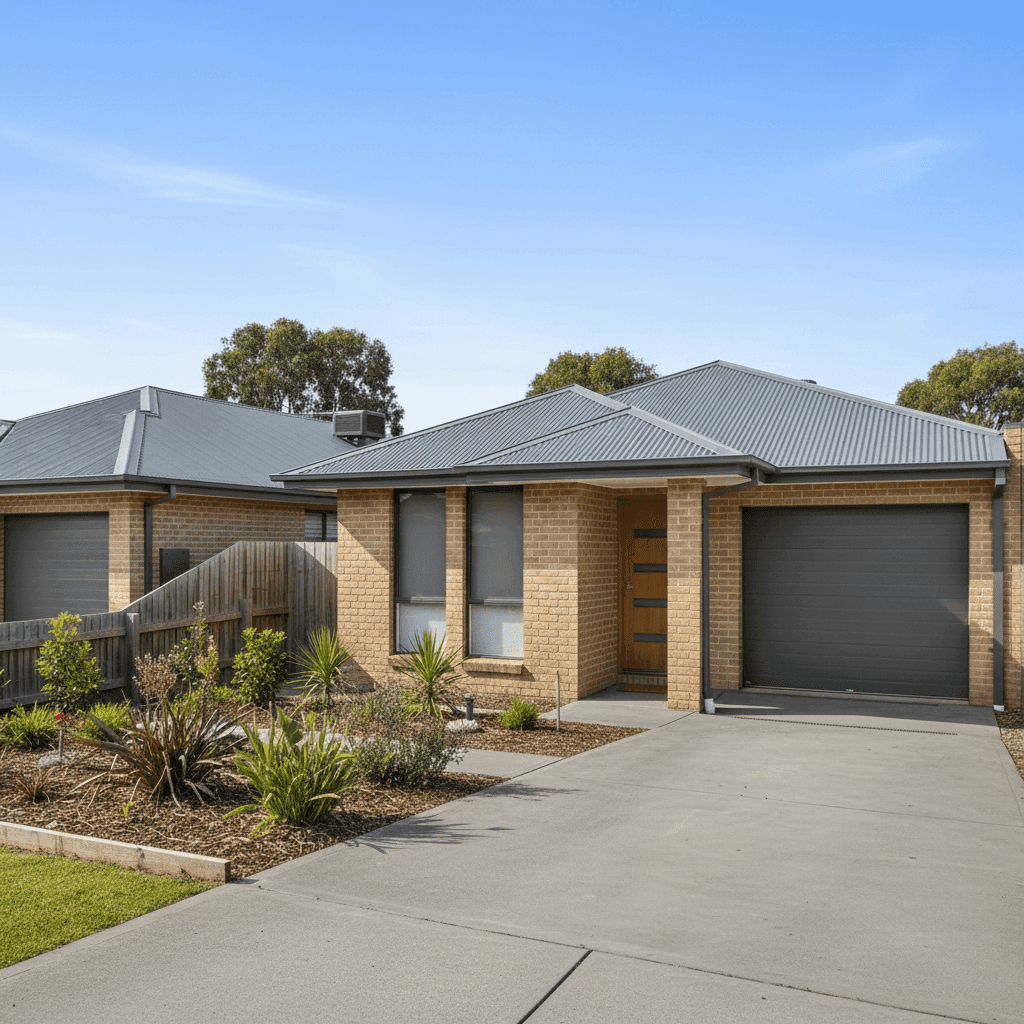
If you own a semi detached home in Airport West, VIC 3042, you're probably curious about what a fair home and contents insurance premium looks like — and whether your current policy is actually competitive. We recently analysed a quote for a 3-bedroom, 2-bathroom semi detached in this north-western Melbourne suburb, and the results offer some useful benchmarks for local homeowners.
---
Is This Quote Fair?
The quote in question came in at $1,025 per year (or roughly $96 per month) for combined home and contents cover, with a building sum insured of $408,000 and contents valued at $92,000. The building excess is set at $2,000, while the contents excess sits at $1,000.
Our price rating for this quote is FAIR — Around Average.
That assessment is based on comparing the premium against real quote data collected from Airport West and the broader region. At $1,025/yr, this policy sits just below the suburb average of $1,202/yr and the suburb median of $1,234/yr, which means the homeowner is paying less than what most comparable properties in the area are being quoted. It's not a bargain-basement deal, but it's a solid result — comfortably within the middle of the market rather than at the expensive end.
For context, the suburb's 25th percentile sits at $929/yr and the 75th percentile at $1,447/yr, meaning this quote falls in the lower half of the typical price range for Airport West. Paying less than the suburb average while maintaining comprehensive cover is generally a positive outcome.
---
How Airport West Compares
One of the most striking things about this quote is how favourably Airport West stacks up against broader benchmarks. Check out the full suburb stats for Airport West (3042) to see the complete picture.
| Benchmark | Average Premium |
|---|---|
| Airport West (suburb) | $1,202/yr |
| LGA — Brimbank | $1,707/yr |
| Victoria (state) | $3,000/yr |
| National | $5,347/yr |
The numbers tell a clear story. Airport West homeowners are paying well below the Victorian state average of $3,000/yr, and dramatically less than the national average of $5,347/yr. Even compared to the broader Brimbank LGA average of $1,707/yr, Airport West comes out significantly cheaper.
This gap is largely driven by geography and risk profile. Unlike coastal or regional areas of Victoria that face elevated risks from storms, flooding, or bushfire, inner north-western Melbourne suburbs like Airport West tend to attract more moderate premiums. You can explore Victoria-wide insurance data or the national comparison stats to see just how much location influences the price of cover across Australia.
It's worth noting that the suburb sample size here is 39 quotes — a reasonable dataset that gives us meaningful confidence in these figures, though premiums can still vary significantly based on individual property features and insurer appetite.
---
Property Features That Affect Your Premium
Every home is different, and insurers assess a range of construction and site characteristics when calculating your premium. Here's how the features of this particular property are likely influencing the quote:
Brick Veneer Walls Brick veneer is one of the most common external wall types in Melbourne's suburban housing stock, and insurers generally view it favourably. It offers good fire resistance and structural durability, which can help keep premiums in check compared to timber-clad or weatherboard homes.
Steel / Colorbond Roof A Colorbond steel roof is considered a low-maintenance, durable roofing option. It performs well in fire conditions and is resistant to rot and pest damage — both factors that can positively influence your premium. It's a common choice in homes built from the late 1990s onward.
Concrete Slab Foundation Slab foundations are standard for homes built in this era and are generally well-regarded by insurers. They reduce the risk of subsidence-related claims compared to older pier-and-beam foundations, and there's no underfloor space for moisture or pest issues to develop undetected.
Timber / Laminate Flooring While attractive and popular, timber and laminate flooring can be more expensive to replace than carpet in the event of water damage or flooding. This may have a modest upward effect on the contents and building sum insured, though it's unlikely to be a major premium driver on its own.
Built in 2004 At around 20 years old, this home sits in a comfortable middle ground — modern enough to meet contemporary building standards, but not so new that it commands a premium for cutting-edge materials. Homes from this era typically have good electrical and plumbing infrastructure, which reduces the likelihood of claims from those sources.
No Pool, Solar Panels, or Ducted Climate Control The absence of a pool, solar panels, and ducted HVAC simplifies the risk profile considerably. Each of these features can add to both the replacement cost and the complexity of a claim, so their absence here likely contributes to the relatively modest premium.
---
Tips for Homeowners in Airport West
Whether you're reviewing an existing policy or shopping for new cover, here are four practical steps to make sure you're getting the right protection at the right price:
- Review your building sum insured regularly. Construction costs have risen significantly in recent years. The $408,000 sum insured on this property should be checked against current rebuild cost estimates — not the market value of the home. Underinsurance is one of the most common and costly mistakes homeowners make.
- Itemise high-value contents separately. The $92,000 contents value is a reasonable estimate for a 3-bedroom home, but standard policies often cap payouts on individual items like jewellery, electronics, or artwork. Consider scheduling these items separately to ensure they're fully covered.
- Assess your excess settings carefully. This policy carries a $2,000 building excess and a $1,000 contents excess. Opting for a higher excess is a common way to reduce your premium, but make sure you could comfortably cover that amount out of pocket in the event of a claim.
- Compare quotes before your renewal date. Loyalty doesn't always pay in insurance. Premiums can shift significantly from year to year, and the market in Airport West has a wide spread — from $929/yr at the 25th percentile up to $1,447/yr at the 75th. Shopping around at renewal time is one of the simplest ways to avoid overpaying.
---
Find a Better Deal on CoverClub
Whether you're a first-time buyer or a long-time Airport West resident, comparing home insurance quotes is one of the easiest ways to protect both your property and your budget. CoverClub makes it simple to see what's available for your specific home — enter your address and get a personalised quote today. With real suburb-level data and transparent pricing comparisons, you'll know exactly where your premium stands before you commit.