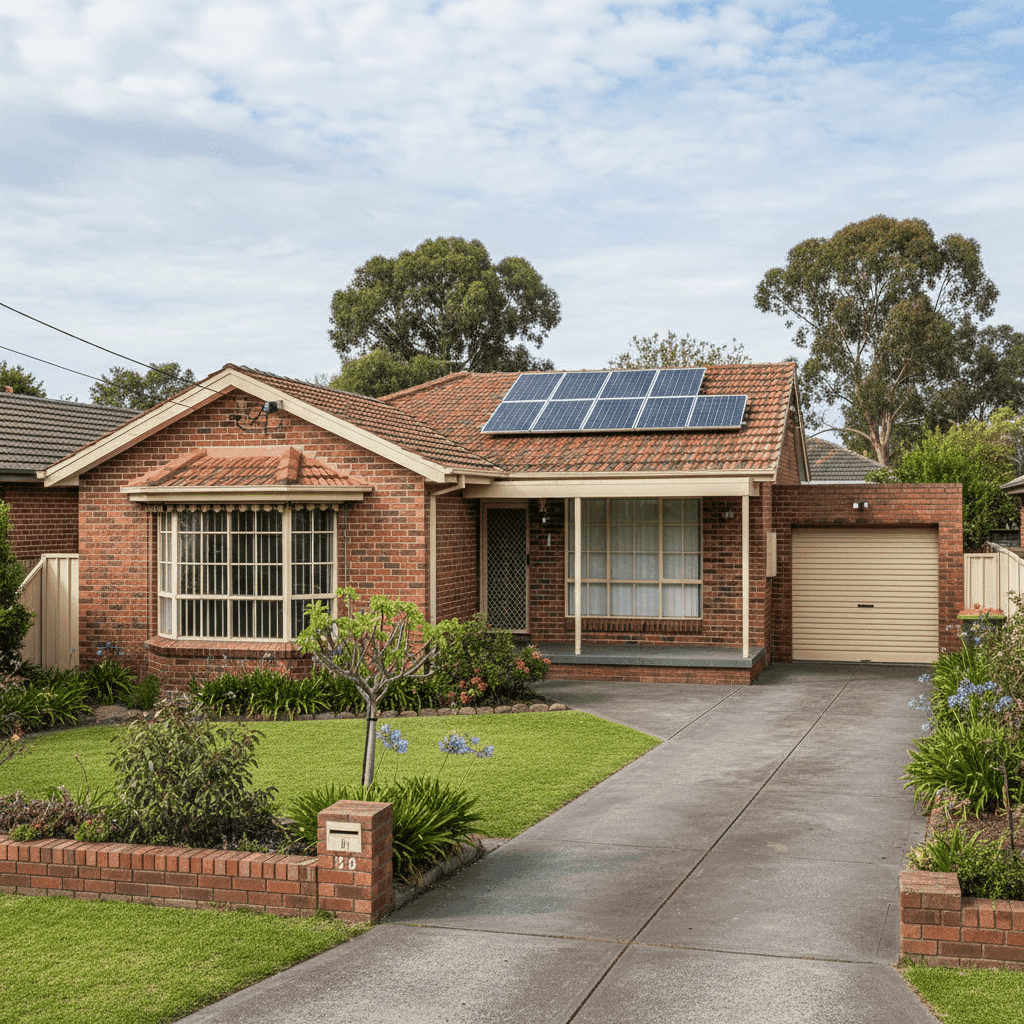
Albanvale is a well-established residential suburb in Melbourne's west, sitting within the City of Brimbank roughly 20 kilometres from the CBD. It's a suburb characterised by solid, post-war and mid-century housing stock — exactly the kind of neighbourhood where a brick veneer, tiled-roof home built in the 1980s fits right in. If you own a free standing home here and you're wondering whether your building insurance premium is reasonable, this analysis is for you.
We've taken a real building-only quote for a 3-bedroom, 1-bathroom free standing home in Albanvale and benchmarked it against local, state, and national data to give you a clear picture of where it sits.
---
Is This Quote Fair?
The quote in question comes in at $1,179 per year (or around $112 per month) for building-only cover, with a sum insured of $538,471 and a building excess of $2,500. Our price rating for this quote is FAIR — Around Average.
That rating reflects a nuanced position: the premium is noticeably below the suburb average of $1,541/yr and the suburb median of $1,480/yr, which is a positive sign. However, it sits just above the suburb's 25th percentile of $1,142/yr, meaning roughly a quarter of comparable quotes in the area come in even cheaper. In practical terms, this is a competitive quote — not the absolute lowest available, but well within a reasonable range and meaningfully below what many Albanvale homeowners are paying.
For a home of this profile — 130 sqm, brick veneer construction, tiled roof, slab foundation, standard fittings — $1,179/yr represents solid value. The "Fair" rating shouldn't be read as a warning; it simply means there may be room to do a little better with the right insurer.
---
How Albanvale Compares
One of the most striking takeaways from this data is just how affordable Albanvale is relative to broader benchmarks. Here's how the numbers stack up:
| Benchmark | Average Premium | Median Premium |
|---|---|---|
| Albanvale (suburb) | $1,541/yr | $1,480/yr |
| Brimbank LGA | $1,911/yr | — |
| Victoria (state) | $2,921/yr | $2,694/yr |
| Australia (national) | $2,965/yr | $2,716/yr |
The quote of $1,179/yr sits 23% below the suburb average, 38% below the Brimbank LGA average, and a remarkable 60% below the Victorian state average. Compared to the national average of $2,965/yr, this quote is less than half the cost.
This tells us two things. First, Albanvale is a relatively low-risk suburb from an insurer's perspective — it doesn't carry the bushfire exposure of regional Victoria, the flood risk of some other Melbourne suburbs, or the cyclone risk of northern Australia. Second, the specific property characteristics here (brick veneer, tiles, slab) are generally viewed favourably by insurers.
You can explore more suburb-level data on the Albanvale insurance stats page, or compare how the whole state tracks on the Victoria insurance overview.
---
Property Features That Affect Your Premium
Understanding what drives your premium helps you make smarter decisions. Here's how the key features of this property influence the cost:
Brick Veneer Walls Brick veneer is one of the most common external wall types in suburban Melbourne, and insurers generally regard it positively. It offers solid fire resistance and durability, which can help moderate premiums compared to timber-clad or weatherboard homes.
Tiled Roof Concrete or terracotta tiles are considered a relatively resilient roofing material. They're less susceptible to storm damage than corrugated iron in certain conditions and have a long lifespan when maintained — both factors that insurers take into account.
Slab Foundation A concrete slab is a stable, low-maintenance foundation type. Unlike suspended timber floors, slabs don't carry the same risk of subfloor moisture damage or pest ingress, which can slightly reduce risk in an insurer's assessment.
Construction Year: 1985 A home built in 1985 is now around 40 years old. While this is well within a manageable age range, insurers do factor in the age of a property when assessing the likelihood of claims related to ageing infrastructure — plumbing, wiring, and roofing materials. Keeping on top of maintenance is key.
Solar Panels This property has solar panels installed, which are typically included as part of the building sum insured. It's worth confirming with your insurer that the panels are explicitly covered under your policy, including for damage from storms, hail, or electrical faults. Some policies cover them automatically; others may require a specific endorsement.
Building Size: 130 sqm At 130 sqm, this is a modest but practical footprint. The sum insured of $538,471 reflects the cost to rebuild — not the market value — and appears well-calibrated for a property of this size and construction type in the current building cost environment.
---
Tips for Homeowners in Albanvale
1. Review your sum insured regularly Building costs have risen significantly in recent years. The $538,471 sum insured on this quote should reflect the full cost to rebuild your home from the ground up — including demolition, materials, and labour. Use a building cost calculator annually to make sure you're not underinsured.
2. Confirm solar panel coverage With solar panels on the roof, double-check your policy wording. Ask your insurer directly: are the panels covered for storm damage, hail, and electrical breakdown? If not, find out what's required to add that protection.
3. Consider a higher excess to reduce your premium This quote carries a $2,500 building excess. If you have savings to cover a higher out-of-pocket amount in the event of a claim, opting for a higher excess (say, $5,000) could reduce your annual premium further — potentially pushing it into the 25th percentile range or below.
4. Shop around at renewal time Insurance loyalty rarely pays off. The spread between the 25th percentile ($1,142/yr) and 75th percentile ($1,802/yr) in Albanvale is over $660 — a significant gap that reflects how differently insurers price the same risk. Getting a fresh set of quotes each year is one of the simplest ways to avoid overpaying.
---
Compare Your Home Insurance Quote Today
Whether you're reviewing an existing policy or shopping for the first time, comparing quotes is the fastest way to find the right cover at the right price. CoverClub makes it easy to see how your premium stacks up against real data from your suburb and beyond.
Get a home insurance quote at CoverClub and find out if you're paying a fair price — or if there's a better deal waiting for you.