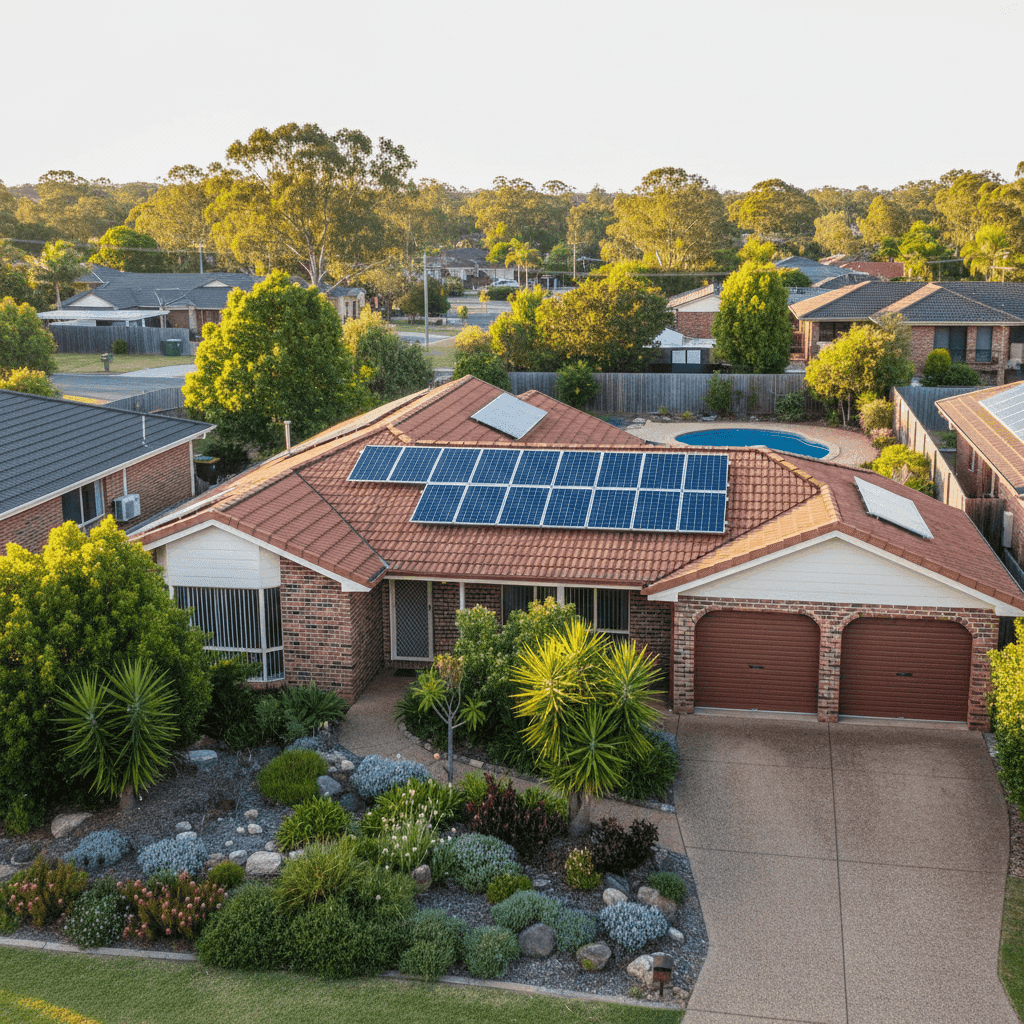
Albany Creek is a well-established residential suburb in Brisbane's northern corridor, known for its leafy streets, family-friendly atmosphere, and a mix of homes built across several decades. For owners of a free standing home in this postcode, understanding what drives your insurance premium — and whether you're getting a fair deal — can make a real difference to your household budget.
This article breaks down a recent home and contents insurance quote for a five-bedroom, two-bathroom brick veneer home in Albany Creek (QLD 4035), built in 1994 on a slab foundation. We'll compare it against local, state, and national benchmarks so you can make a more informed decision at renewal time.
---
Is This Quote Fair?
The annual premium for this property came in at $2,222 per year (or $217/month), covering a building sum insured of $800,000 and contents valued at $216,000. The building excess is $2,000 and the contents excess is $1,000.
Our pricing engine has rated this quote as Fair — Around Average, which is a reasonable outcome for a property of this size and specification. It's not the cheapest on the market, but it's sitting comfortably within the middle range for the suburb — meaning the homeowner isn't being significantly overcharged relative to their neighbours.
For context, the suburb average premium in Albany Creek is $2,457/year, with a median of $2,602/year (based on 42 quotes collected in the area). This particular quote comes in below both the suburb average and median, which is a positive sign. It's also well below the 75th percentile of $3,570/year, meaning roughly three-quarters of comparable quotes in the area cost more.
The 25th percentile sits at $1,407/year — so there is a cheaper tier of quotes out there, though these may reflect lower sums insured, higher excesses, or more limited cover. Always check the fine print before chasing a lower price.
---
How Albany Creek Compares
One of the most striking takeaways from this analysis is how favourably Albany Creek compares to broader benchmarks. Check out the full Albany Creek insurance stats for a deeper look.
| Benchmark | Average Premium |
|---|---|
| Albany Creek (suburb) | $2,457/yr |
| Brisbane LGA | $4,485/yr |
| Queensland (state) | $4,547/yr |
| National average | $2,965/yr |
The Queensland state average of $4,547/year is nearly double the quote analysed here — a significant gap that reflects the elevated risk profile of many Queensland postcodes, particularly those exposed to cyclones, flooding, and storm surge. Albany Creek, sitting inland in Brisbane's north, avoids the worst of these risk factors, which keeps premiums more manageable.
Even against the national average of $2,965/year, this quote performs well. The Brisbane LGA average of $4,485/year is particularly telling — it suggests that while Brisbane as a whole carries higher insurance costs (partly driven by flood-affected suburbs closer to the river), Albany Creek remains a relatively affordable pocket within that broader market.
For homeowners in this suburb, this is genuinely good news: you're in a location that insurers generally view as lower risk compared to many other parts of Queensland.
---
Property Features That Affect Your Premium
Several characteristics of this property will influence how insurers price the risk. Here's what's relevant:
Brick Veneer Walls & Tiled Roof Brick veneer construction with a tiled roof is one of the more insurer-friendly combinations in Australia. Both materials are considered durable and fire-resistant, which typically attracts more competitive premiums compared to weatherboard or Colorbond alternatives.
Slab Foundation A concrete slab foundation is standard for homes of this era in Queensland and is generally viewed neutrally by insurers. It doesn't carry the elevated risk of a raised timber subfloor, which can be more vulnerable to moisture and pest damage.
Built in 1994 At around 30 years old, the home is mature but not aged to the point where insurers become concerned about major structural or electrical issues. Homes of this vintage are well understood by underwriters.
Swimming Pool A pool adds to the replacement cost of the property, which is reflected in the building sum insured. It can also introduce a small liability element depending on the policy. Homeowners should ensure their pool fencing complies with Queensland's strict safety regulations — non-compliance can affect claims.
Solar Panels Solar panels are increasingly common on Queensland rooftops and most insurers now include them under building cover as a fixed structure. However, it's worth confirming this with your insurer, as some policies treat panels separately or apply sub-limits. With $800,000 in building cover, there's solid headroom to account for panel replacement costs.
No Cyclone Risk Albany Creek falls outside Queensland's designated cyclone risk zone, which is a meaningful premium advantage. Cyclone-rated premiums in northern Queensland can be dramatically higher — sometimes multiples of what inland southeast Queensland homeowners pay.
Five Bedrooms, Standard Fittings A larger home naturally carries a higher replacement cost, which is reflected in the $800,000 sum insured. Standard fittings (rather than high-end or bespoke finishes) keep the rebuild cost estimate grounded, helping avoid over-insurance.
---
Tips for Homeowners in Albany Creek
1. Review your sum insured annually Construction costs have risen significantly in recent years. An $800,000 sum insured may be appropriate today, but it's worth checking against a building cost calculator each year to ensure you're not underinsured — especially if you've made renovations or additions.
2. Confirm solar panels are covered Ask your insurer explicitly whether your solar system is included under building cover, and whether there's a sub-limit that might leave you short in the event of a claim. With energy prices what they are, replacing panels out-of-pocket would be a costly exercise.
3. Check your pool compliance Queensland has some of the strictest pool fencing laws in the country. Non-compliant pool barriers can complicate insurance claims and expose you to council fines. A periodic safety inspection is a smart investment.
4. Compare quotes at renewal Even a "Fair" rating means there's room to potentially do better. Insurers reprice risk regularly, and loyalty doesn't always pay. Running a fresh comparison every 12 months — particularly before your renewal date — is one of the simplest ways to keep your premium in check.
---
Ready to Compare?
Whether you're renewing soon or just curious about what the market looks like, CoverClub makes it easy to see how your current premium stacks up. Get a home insurance quote today and find out if you could be paying less — without sacrificing the cover you need.