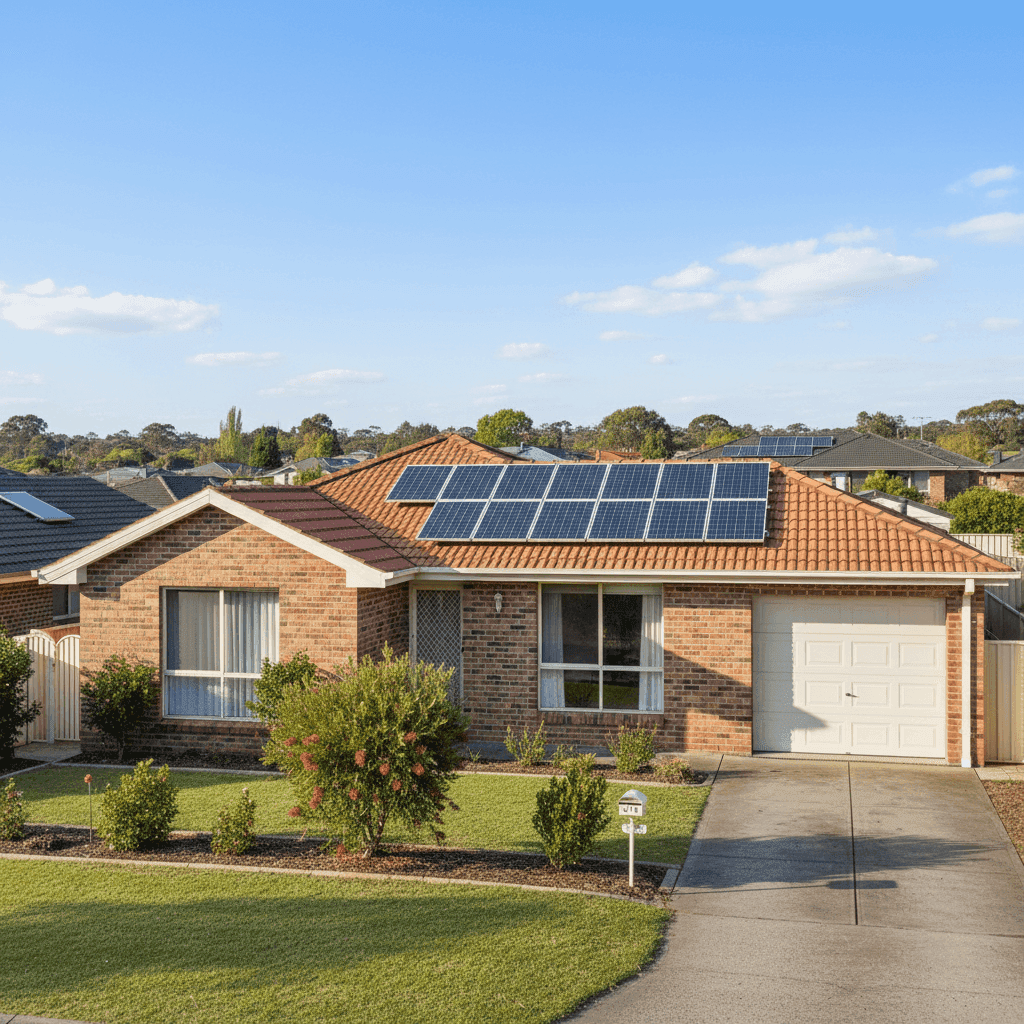
If you own a free standing home in Albion Park, NSW 2527, you've probably wondered whether you're paying a fair price for your home insurance — or quietly overpaying while your insurer quietly profits. This article breaks down a real home and contents insurance quote for a four-bedroom property in the suburb, compares it against local, state, and national benchmarks, and offers practical guidance for homeowners looking to get better value.
---
Is This Quote Fair?
The annual premium in question comes in at $1,430 per year (or $138 per month), covering both building and contents for a 235 sqm brick veneer home with a building sum insured of $761,000 and contents valued at $50,000. The building excess is $2,000 and the contents excess is $600.
Our price rating for this quote is FAIR — Around Average.
That rating holds up well under scrutiny. When you look at the suburb-level data for Albion Park (NSW 2527), the median premium sits at $1,432 per year — meaning this quote is essentially right on the median. It's not the cheapest on the market, but it's far from the top of the range either. In a suburb where premiums span from $1,125 at the 25th percentile all the way to $2,268 at the 75th percentile, landing near the midpoint is a reasonable outcome for a well-specified property.
Put simply: this homeowner isn't being gouged, but there may still be room to do better.
---
How Albion Park Compares
One of the most striking takeaways from this quote is just how affordable Albion Park is relative to broader benchmarks.
| Benchmark | Average Premium | Median Premium |
|---|---|---|
| Albion Park (2527) | $1,771/yr | $1,432/yr |
| LGA (Kiama) | $2,945/yr | — |
| NSW | $3,801/yr | $3,410/yr |
| National | $2,965/yr | $2,716/yr |
The suburb average of $1,771 is less than half the NSW state average of $3,801, and well below the national average of $2,965. Even the LGA average for Kiama — which encompasses Albion Park — sits at $2,945, suggesting that Albion Park itself is one of the more affordably insured pockets within the broader local government area.
This is good news for homeowners in the area. Compared to many parts of New South Wales — particularly coastal and flood-prone regions further north — Albion Park benefits from relatively moderate insurance risk pricing. You can explore the NSW statewide insurance data or national benchmarks to see just how significant that gap is.
It's worth noting that this analysis is based on a sample of 67 quotes for the suburb, which provides a reasonably solid statistical foundation for comparison.
---
Property Features That Affect Your Premium
Not all homes are priced equally, and several characteristics of this property influence where its premium lands.
Brick Veneer Construction Brick veneer is one of the more insurer-friendly wall materials in Australia. It offers good fire resistance and structural durability compared to weatherboard or fibre cement, which can translate to lower premiums. It's a common choice in homes built around 1990, and insurers generally view it favourably.
Tiled Roof A concrete or terracotta tile roof is considered a low-to-moderate risk roofing material. Tiles are durable, non-combustible, and relatively resistant to storm damage compared to older corrugated iron or asbestos roofing. This is a positive factor for premium pricing.
Slab Foundation A concrete slab foundation is standard for homes of this era and is generally associated with lower subsidence and moisture-related risk compared to older stumped or suspended timber floors. Combined with tile flooring throughout, this home presents a clean risk profile from a structural standpoint.
Solar Panels The presence of solar panels adds a modest layer of complexity to a home insurance policy. Panels represent an additional asset that needs to be covered — both for damage to the panels themselves and for any liability arising from installation or electrical faults. Homeowners should confirm that their policy explicitly covers solar panels, including damage from storms or hail, and that the replacement value is factored into the building sum insured.
Ducted Climate Control Ducted air conditioning systems are a fixed building asset and should be included in the building sum insured. At $761,000, the sum insured here appears to account for a well-appointed home of this size and specification — but it's always worth reviewing whether your sum insured reflects current rebuilding costs, which have risen significantly in recent years due to construction inflation.
No Pool The absence of a swimming pool removes one common source of liability and maintenance-related claims, which can marginally reduce overall risk in the insurer's assessment.
---
Tips for Homeowners in Albion Park
1. Review Your Building Sum Insured Annually Construction costs across NSW have increased substantially since 2020. A sum insured that was accurate three years ago may now fall short of what it would actually cost to rebuild your home. Use an independent building cost calculator or speak with a quantity surveyor to validate your figure — underinsurance is one of the most costly mistakes a homeowner can make.
2. Confirm Solar Panel Coverage If your policy doesn't explicitly mention solar panels, ask your insurer to clarify. Some policies cover panels as part of the building, while others treat them as optional extras. Given the replacement cost of a typical solar system, this is not a detail to overlook.
3. Compare Quotes Before Renewing Even if your current premium feels reasonable, the insurance market shifts regularly. Insurers reprice risk, adjust underwriting criteria, and offer new entrant discounts that can make switching worthwhile. Get a fresh quote through CoverClub before your renewal date to ensure you're not leaving savings on the table.
4. Consider Your Excess Strategy This policy carries a $2,000 building excess and a $600 contents excess. Opting for a higher excess is a common way to reduce your annual premium — but only makes sense if you have sufficient savings to cover that cost in the event of a claim. Review your financial position and consider whether adjusting your excess could yield meaningful savings without exposing you to undue risk.
---
Compare Your Own Quote
Whether you're a first-time buyer or a long-term Albion Park resident, it pays to know where your premium stands. CoverClub makes it easy to benchmark your home insurance against real data from your suburb, your state, and across Australia. Start comparing quotes today and find out if you're getting the cover you deserve at a price that makes sense.