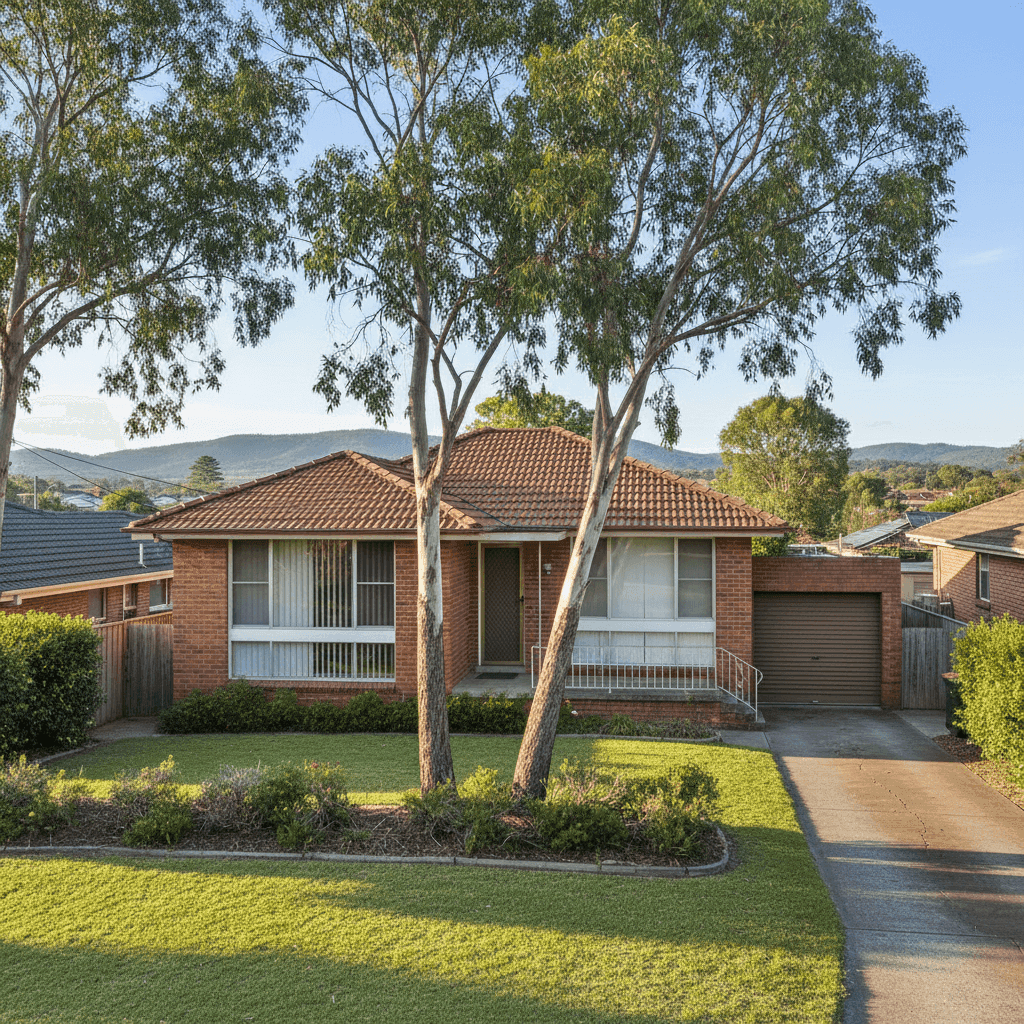
Albion Park Rail is a well-established suburb in the Kiama local government area on the NSW Illawarra coast, sitting roughly halfway between Wollongong and Kiama. It's the kind of neighbourhood where solid brick homes from the 1970s still line the streets — and where understanding what you're paying for home insurance can make a meaningful difference to your household budget. This article breaks down a recent home and contents insurance quote for a 3-bedroom free standing home in the area, and puts the numbers in context so you can judge whether your own policy is working hard enough for you.
---
Is This Quote Fair?
The quote in question comes in at $1,330 per year (or about $127 per month) for combined home and contents cover, with a building sum insured of $465,000 and contents valued at $130,000. Our pricing analysis rates this as CHEAP — below average for the area.
To put that in plain terms: this premium sits well below what most homeowners in Albion Park Rail are paying. Based on 29 quotes collected for postcode 2527, the suburb's 25th percentile sits at $1,434 per year — meaning this quote is actually cheaper than three-quarters of comparable policies in the area. The suburb average is $2,389/yr, so this policy is coming in at roughly 44% below the local average. That's a significant saving.
Of course, price alone doesn't tell the whole story. A lower premium can sometimes reflect narrower cover, higher excesses, or fewer optional extras. In this case, the building excess is $2,000 and the contents excess is $1,000, which are on the higher side and do contribute to bringing the premium down. It's worth weighing that trade-off: you'll pay less each year, but more out of pocket if you ever need to make a claim.
That said, for homeowners who haven't made a claim in years and are comfortable holding a slightly higher excess, this kind of pricing represents genuine value.
---
How Albion Park Rail Compares
The local pricing landscape for postcode 2527 tells an interesting story. Here's how the numbers stack up:
| Benchmark | Annual Premium |
|---|---|
| This quote | $1,330 |
| Suburb 25th percentile | $1,434 |
| Suburb median | $1,945 |
| Suburb average | $2,389 |
| Suburb 75th percentile | $3,336 |
| LGA (Kiama) average | $3,241 |
| NSW average | $3,801 |
| National average | $2,965 |
The spread within the suburb alone — from $1,434 at the 25th percentile to $3,336 at the 75th — shows just how much premiums can vary depending on the insurer, the property, and the level of cover chosen. The NSW state average of $3,801/yr is notably high compared to the national average of $2,965/yr, reflecting the elevated risk profile that many NSW coastal and flood-prone areas carry.
Albion Park Rail's suburb average of $2,389/yr is considerably lower than both the NSW state average and the Kiama LGA average of $3,241/yr, which suggests the specific postcode may carry a relatively moderate risk profile compared to some of its neighbours. Still, the wide range within the suburb means it absolutely pays to shop around — the difference between the cheapest and most expensive quotes in this area can be thousands of dollars per year.
---
Property Features That Affect Your Premium
Several characteristics of this property are likely working in its favour when it comes to pricing:
Brick veneer construction is generally viewed favourably by insurers. While not as robust as full double-brick, brick veneer walls offer good fire resistance and durability compared to timber-clad or weatherboard homes. This can translate to lower rebuilding risk and, in turn, a more competitive premium.
Tiled roof is another positive signal. Concrete or terracotta tiles are among the more resilient roofing materials — they hold up well in storms and have a long lifespan, which reduces the likelihood of weather-related claims.
Stump foundations are common in older Australian homes, particularly those built before the 1980s. While stumps allow for good underfloor ventilation (which can help prevent moisture damage), they can occasionally be a flag for insurers if the property is in an area with reactive soils or flood risk. In this case, the premium suggests it hasn't been a significant concern.
Timber and laminate flooring can be more susceptible to water damage than tiles, which is worth keeping in mind when setting your contents and building sum insured — particularly for any underfloor or subfloor areas.
Standard fittings and the absence of a pool, solar panels, or ducted climate control all help keep the insurable risk — and the premium — straightforward. High-end fixtures, pools, and solar systems can add complexity and cost to a policy.
The home's 1975 construction year is worth noting. Older homes can sometimes attract higher premiums due to ageing electrical wiring, plumbing, and roofing — but equally, well-maintained brick homes of this era are often solid performers. Keeping on top of maintenance is key.
---
Tips for Homeowners in Albion Park Rail
1. Review your sum insured regularly Building costs have risen sharply in recent years. A sum insured of $465,000 for a 130 sqm home in this area seems reasonable, but it's worth checking against current construction cost estimates annually. Being underinsured at claim time can be a costly mistake.
2. Consider your excess carefully This policy carries a $2,000 building excess and $1,000 contents excess. If you're comfortable with that — particularly if you have savings set aside — the lower premium makes sense. But if a $2,000 out-of-pocket cost would be a stretch, it may be worth comparing policies with lower excesses, even if the annual premium is a little higher.
3. Check for flood cover Parts of the Illawarra region, including areas around Albion Park Rail, can be affected by localised flooding. Make sure your policy explicitly includes flood cover — it's not always included by default, and the distinction between 'flood' and 'storm damage' in policy wording can matter enormously at claim time.
4. Don't set-and-forget your policy The wide range of premiums in postcode 2527 — from under $1,500 to over $3,300 — shows that insurers price this suburb very differently. Even if you're happy with your current insurer, it's worth getting a fresh comparison at renewal time. Loyalty doesn't always pay in insurance.
---
Compare Your Home Insurance Today
Whether you're a long-time Albion Park Rail resident or new to the area, making sure your home and contents cover is both adequate and competitively priced is one of the smartest financial checks you can do each year. CoverClub makes it easy to see what you should be paying — and whether your current policy stacks up. Get a quote today at CoverClub and compare your options in minutes.
For more localised data on insurance pricing in your area, visit the Albion Park Rail insurance stats page.