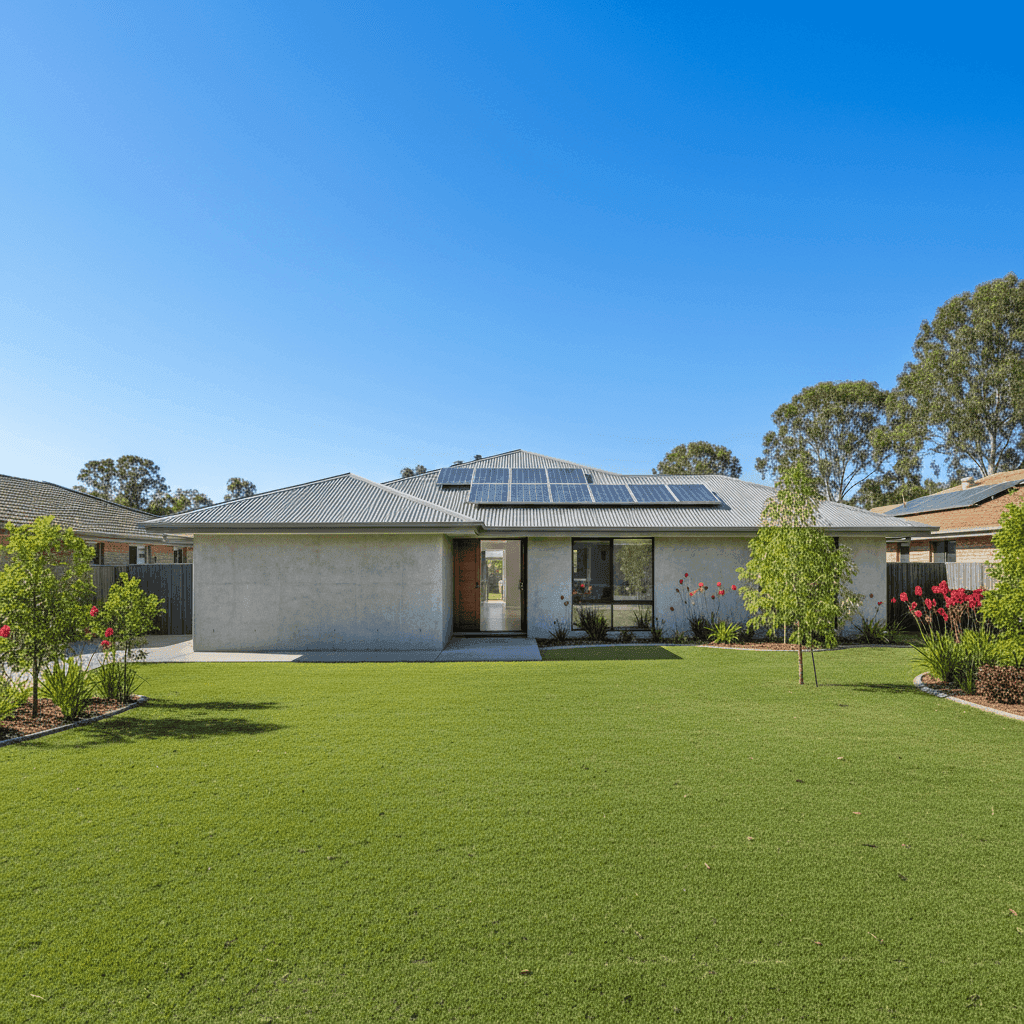
Home insurance premiums across Queensland can vary dramatically depending on where you live, what your home is made of, and how much cover you need. This article breaks down a real home and contents insurance quote for a three-bedroom free standing home in Aldershot, QLD 4650 — a quiet locality in the Gympie region — and puts it in context against local, state, and national benchmarks.
Whether you're a homeowner shopping around or simply curious about what your neighbours might be paying, read on for a detailed analysis.
---
Is This Quote Fair?
The annual premium for this property came in at $2,960 per year (or $277 per month), covering both building (sum insured: $800,000) and contents ($50,000), each with a $1,000 excess.
Our price rating for this quote is CHEAP — below average — and the numbers back that up clearly.
To put it in perspective:
- The suburb average for Aldershot is $7,973/yr, and the median sits at $8,053/yr
- The Queensland state average is $4,547/yr
- The national average is $2,965/yr
At $2,960, this quote comes in just below the national average and well under both the state and suburb benchmarks. It also sits comfortably below the suburb's 25th percentile of $3,528/yr, meaning it's cheaper than at least 75% of comparable quotes seen in the area. That's a genuinely strong result.
For homeowners in Aldershot, where premiums can reach as high as the 75th percentile of $9,739/yr, finding cover at this price point represents meaningful savings — potentially thousands of dollars annually.
---
How Aldershot Compares
Aldershot sits within the Gympie LGA, where the average home insurance premium is $4,135/yr. That's already notably higher than this quote, but still well below what Aldershot-specific data suggests most locals are paying.
Here's a quick snapshot of how the numbers stack up:
| Benchmark | Premium |
|---|---|
| This Quote | $2,960/yr |
| Aldershot Suburb Average | $7,973/yr |
| Aldershot Suburb Median | $8,053/yr |
| Aldershot 25th Percentile | $3,528/yr |
| Gympie LGA Average | $4,135/yr |
| QLD State Average | $4,547/yr |
| National Average | $2,965/yr |
The gap between this quote and the suburb average is striking — a difference of over $5,000 per year. It's worth noting that the suburb sample size is relatively small (9 quotes), so the local averages may reflect a handful of higher-risk or higher-value properties skewing the data upward. Even so, securing cover below the national average in a regional Queensland suburb is a solid outcome.
---
Property Features That Affect Your Premium
Several characteristics of this property likely contribute to its competitive premium. Let's look at the key factors:
Concrete External Walls
Concrete construction is highly regarded by insurers for its durability and resistance to fire, pests, and storm damage. Compared to timber-framed homes, concrete walls typically attract lower premiums because they present a reduced risk of structural loss.
Steel / Colorbond Roof
Colorbond steel roofing is one of the most popular and insurer-friendly roof types in Australia. It's lightweight, resistant to corrosion, and performs well in high-wind conditions. This is a positive factor for premium pricing.
Slab Foundation
A concrete slab foundation is considered low-risk by most insurers. It doesn't have the same vulnerability to subsidence or termite ingress that pier-and-beam foundations can carry, which can translate to lower premiums.
Solar Panels
This property has solar panels installed. While solar panels themselves add replacement value to a home, most standard home insurance policies cover them as part of the building sum insured — provided the sum insured is adequate. At $800,000, the building cover here appears generous for a 130 sqm home, which likely provides a comfortable buffer.
Tile Flooring
Tiled floors are durable, easy to replace, and less susceptible to water damage than carpet or timber. This is a minor but positive factor from an insurer's perspective.
No Pool, No Ducted Climate Control
The absence of a pool removes a significant liability risk factor that can push premiums higher. Similarly, no ducted climate control means fewer mechanical systems that could fail and cause damage (e.g., water leaks from ducting).
Construction Year: 1985
Homes built in the mid-1980s are generally considered mature but not excessively aged. At roughly 40 years old, this property may have had updates over the years. Insurers sometimes apply age loadings to older homes, but the concrete and steel construction likely mitigates any concerns here.
---
Tips for Homeowners in Aldershot
If you own or are considering buying a home in Aldershot, here are some practical steps to keep your insurance costs in check:
- Review your sum insured regularly. Building costs have risen significantly across Queensland in recent years. Make sure your $800,000 (or equivalent) sum insured reflects current rebuild costs — not the market value of the land. Underinsurance is one of the most common and costly mistakes homeowners make.
- Consider a higher excess to lower your premium. Both the building and contents excess on this policy sit at $1,000. If you have the savings to cover a larger out-of-pocket cost in the event of a claim, opting for a $2,000 or $2,500 excess could reduce your annual premium noticeably.
- Keep your solar panels documented. Ensure you have up-to-date records of your solar system's brand, model, and installation value. In the event of a claim, this documentation speeds up the process and helps ensure full reimbursement.
- Compare quotes annually. The Aldershot suburb average of nearly $8,000/yr shows that premiums in this area can vary wildly. Don't auto-renew without checking the market — the savings on offer can be substantial, as this quote clearly demonstrates.
---
Ready to Compare Your Home Insurance?
Whether your current policy is up for renewal or you're insuring a new property, it pays to see what's available. At CoverClub, we make it easy to compare home and contents insurance quotes tailored to your property and location.
Get a quote today at CoverClub and find out if you're paying too much — or if, like this Aldershot homeowner, you're already ahead of the pack.
For more localised data on insurance costs in Aldershot and surrounding areas, visit our Aldershot suburb stats page or explore Queensland-wide insurance trends.