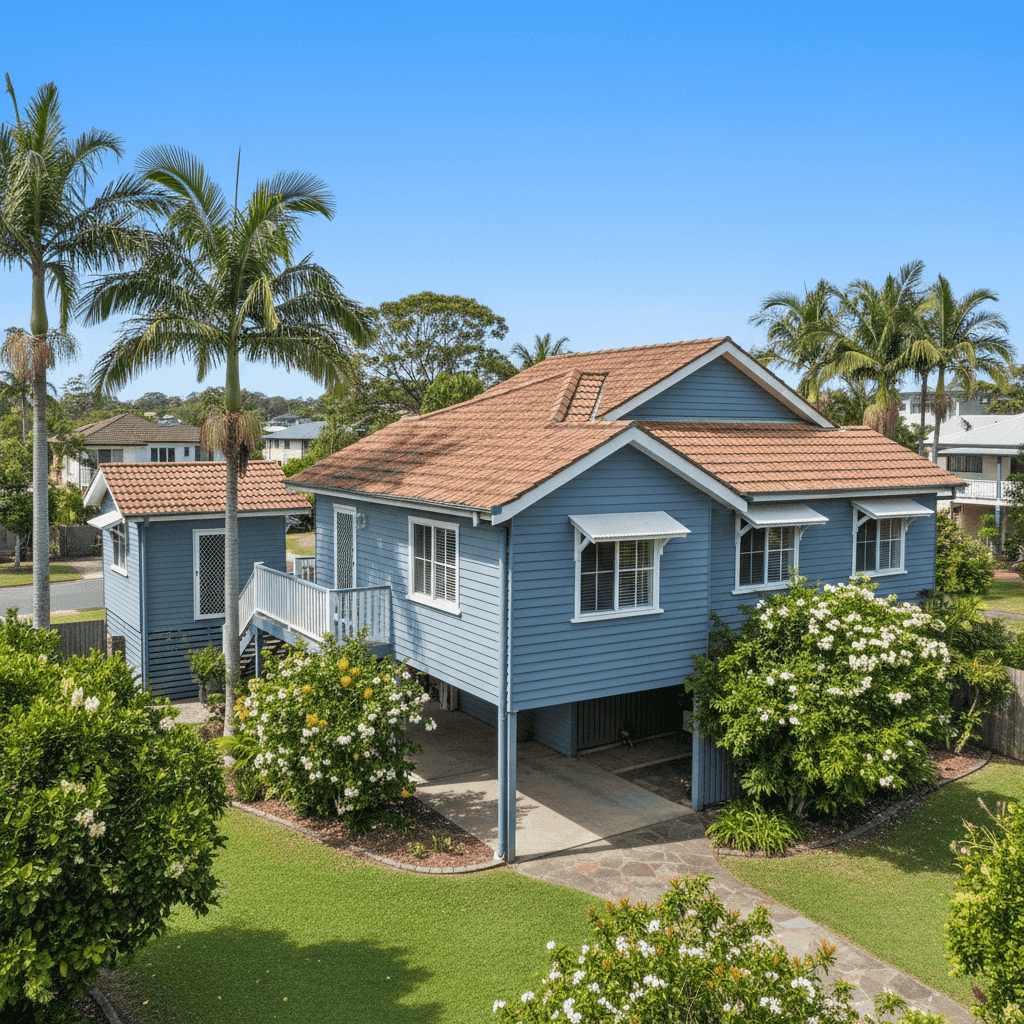
If you own a townhouse in Alexandra Headland, QLD 4572, you already know the appeal — a relaxed Sunshine Coast lifestyle, minutes from the beach, with a strong sense of community. But coastal living comes with its own insurance considerations, and making sure your building cover is both adequate and competitively priced is an important part of protecting your investment.
This article breaks down a real building insurance quote for a 3-bedroom, 1-bathroom townhouse in Alexandra Headland, comparing it against local, state, and national benchmarks so you can see exactly where it sits in the market.
---
Is This Quote Fair?
The annual premium for this property comes in at $2,414 per year (or $236/month), covering the building only with a $500 excess. Our pricing model rates this as CHEAP — below the suburb average — which is genuinely good news for the homeowner.
To put that in context:
- The suburb average for Alexandra Headland is $3,267/yr
- The suburb median sits at $3,042/yr
- Even the 25th percentile (i.e., the cheaper quarter of quotes in the area) is $2,583/yr
This quote lands below the 25th percentile, meaning it is cheaper than at least 75% of comparable quotes collected in the 4572 postcode. On a $415,000 sum insured for a 139 sqm building, that represents solid value — particularly for a property with some characteristics that would typically push premiums higher.
---
How Alexandra Headland Compares
Alexandra Headland sits within the Sunshine Coast LGA, one of Queensland's most sought-after coastal corridors — and that desirability is reflected in insurance pricing. According to data on CoverClub's Alexandra Headland stats page, the suburb average of $3,267/yr is notably higher than the national average.
Here's how the numbers stack up:
| Benchmark | Average Premium |
|---|---|
| Alexandra Headland (suburb) | $3,267/yr |
| Sunshine Coast LGA | $4,608/yr |
| Queensland (state) | $4,547/yr |
| National average | $2,965/yr |
A few things stand out here. First, the Sunshine Coast LGA average of $4,608/yr is significantly above the national figure — a reflection of the region's exposure to severe weather events, storm surge risk, and the high rebuild costs associated with coastal properties. You can explore Queensland-wide insurance trends and national benchmarks for broader context.
Interestingly, the suburb average for Alexandra Headland ($3,267/yr) is actually lower than both the LGA and state averages, which suggests the postcode benefits from some localised risk factors working in homeowners' favour — such as lower flood exposure in certain pockets or a mix of newer and older builds that moderate the average.
The quote analysed here, at $2,414/yr, beats all of these benchmarks comfortably.
---
Property Features That Affect Your Premium
Several characteristics of this property influence how insurers price the risk. Understanding these factors helps explain why this quote lands where it does.
Weatherboard Timber Walls
The external walls are weatherboard wood — a construction type common in older Queensland homes. Timber weatherboard is generally considered a higher-risk material than brick veneer or rendered masonry, as it is more susceptible to fire spread and damage from moisture over time. This would ordinarily place upward pressure on premiums.
Tiled Roof
A tiled roof is viewed favourably by most insurers. Tiles are durable, fire-resistant, and long-lasting when well-maintained. Compared to Colorbond or corrugated iron, tiles typically attract a neutral-to-positive pricing outcome.
Elevated Foundation
The property is elevated by at least 1 metre, which is a meaningful risk-reduction feature in Queensland. Elevation reduces exposure to ground-level flooding and moisture ingress — a significant factor in coastal and low-lying areas. Many insurers explicitly reward elevated homes with lower premiums, and this is likely contributing to the competitive pricing seen here.
Construction Era (1983)
Built in 1983, this townhouse is over 40 years old. Older properties can attract higher premiums due to ageing infrastructure — plumbing, wiring, and roofing materials that may be closer to end-of-life. That said, a well-maintained 1980s home on a slab foundation with a tiled roof can still price competitively.
Slab Foundation & Vinyl Flooring
A concrete slab foundation is generally considered low-risk and cost-effective to insure. Combined with vinyl flooring (a standard, affordable material to replace), the overall fittings profile of this home is straightforward — no premium finishes that would inflate the sum insured or replacement cost.
Granny Flat
This property includes a granny flat, which adds insurable floor space and replacement value. It's worth confirming with your insurer that the granny flat is explicitly covered under the building policy, as some policies require it to be listed separately or may apply sub-limits.
No Pool, Solar Panels, or Ducted Climate Control
The absence of a pool, solar system, and ducted air conditioning removes several common sources of claims and additional coverage complexity, keeping the risk profile cleaner.
---
Tips for Homeowners in Alexandra Headland
Whether you're reviewing an existing policy or shopping for new cover, here are four practical steps worth taking:
- Confirm your granny flat is covered. Not all building policies automatically extend to secondary dwellings. Ask your insurer directly whether the granny flat is included in your sum insured and whether any sub-limits apply to it.
- Review your sum insured annually. Construction costs on the Sunshine Coast have risen substantially in recent years. A sum insured of $415,000 for 139 sqm may be appropriate today, but it's worth recalculating your rebuild cost each year — particularly given the age of the property and the cost of sourcing weatherboard materials.
- Keep records of your timber exterior maintenance. Weatherboard homes require regular painting and sealing to prevent moisture damage and rot. Documented maintenance can support a claim and may also demonstrate to insurers that the property is well cared for, potentially improving your renewal terms.
- Compare quotes before your renewal date. This quote is priced well below the suburb average — but that doesn't mean it's the best available. The insurance market is competitive, and premiums can vary significantly between providers for the same property. Get a fresh quote at CoverClub to see what multiple insurers would offer.
---
Compare Your Home Insurance Today
Whether this is your property or you're researching what to expect for a similar home in Alexandra Headland, the data is clear: premiums in this suburb and across the Sunshine Coast can vary enormously. The difference between the cheapest and most expensive quotes in this postcode spans well over $1,000 per year.
CoverClub makes it easy to compare building and contents insurance quotes from multiple Australian insurers in one place. Start your comparison now and see how your current premium measures up.