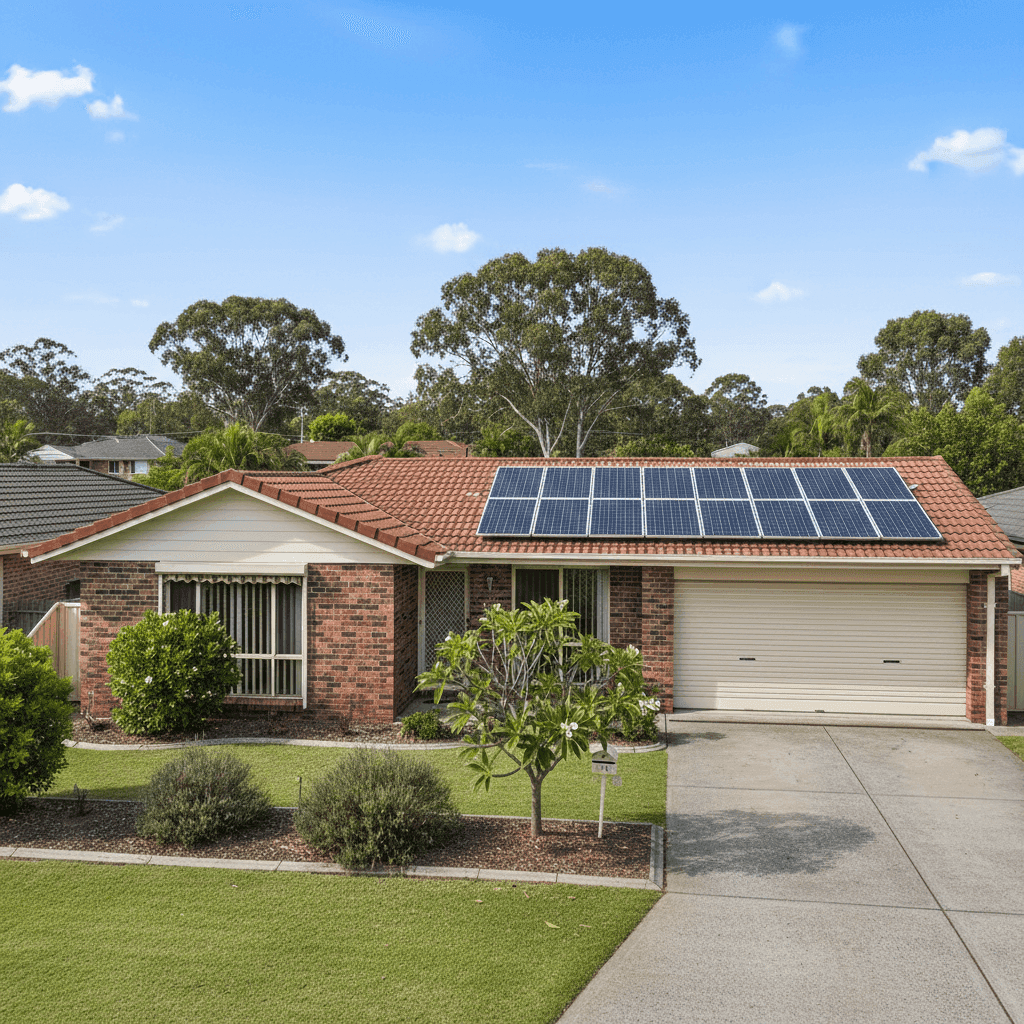
Alexandra Hills is a well-established residential suburb in the Redland City area of South East Queensland, known for its leafy streets, family-friendly atmosphere, and proximity to the bay. For owners of free standing homes in this part of Brisbane's bayside, understanding what a fair home insurance premium looks like can make a real difference at renewal time — especially when premiums across Queensland have been climbing steadily in recent years.
This article breaks down a real home and contents insurance quote for a four-bedroom, brick veneer home in Alexandra Hills (postcode 4161), comparing it against local, state, and national benchmarks to help you understand whether you're getting good value.
---
Is This Quote Fair?
The annual premium for this property came in at $1,271 per year (or roughly $125 per month), covering both building (sum insured: $858,000) and contents ($24,000). Based on our pricing data, this quote is rated CHEAP — that is, below average for the area.
To put that in perspective: the average home and contents premium across Alexandra Hills sits at $2,156 per year, with a median of $2,087. This quote lands well below even the suburb's 25th percentile of $1,585 — meaning it's cheaper than at least 75% of quotes we've seen for comparable properties in the same postcode.
For a homeowner in Alexandra Hills, that's a meaningful saving. At the suburb average, you'd be paying roughly $885 more per year for the same type of cover. Over five years, that's over $4,400 in potential savings — enough to notice.
That said, price isn't everything. It's worth confirming the policy terms, exclusions, and excess structure (in this case, both building and contents excesses are set at $2,000) suit your circumstances before committing.
---
How Alexandra Hills Compares
To understand just how competitive this quote is, it helps to zoom out and look at the broader pricing landscape. Here's how Alexandra Hills stacks up:
| Benchmark | Annual Premium |
|---|---|
| This Quote | $1,271 |
| Alexandra Hills suburb average | $2,156 |
| Alexandra Hills suburb median | $2,087 |
| Redland LGA average | $3,312 |
| QLD state average | $4,547 |
| QLD state median | $3,931 |
| National average | $2,965 |
| National median | $2,716 |
The numbers tell a clear story. Queensland homeowners are paying significantly more for home insurance than the national average — the state average of $4,547 is more than 53% higher than the national average of $2,965. This reflects the elevated risk profile of much of Queensland, where cyclones, flooding, and storm damage are genuine concerns for insurers.
Interestingly, Alexandra Hills itself sits well below both the QLD state average and the Redland LGA average of $3,312. This suggests the suburb benefits from a relatively lower risk profile compared to many other parts of Queensland — something worth knowing if you're weighing up where to buy or how to benchmark your renewal.
Explore more data on our Alexandra Hills suburb stats page, or compare across the state on our Queensland insurance stats page. For a national overview, visit our national home insurance stats page.
---
Property Features That Affect Your Premium
Several characteristics of this particular property are likely contributing to its competitive premium. Here's how each factor plays a role:
Brick Veneer Construction Brick veneer walls are generally viewed favourably by insurers. They offer solid fire resistance and structural durability compared to lightweight cladding materials, which can help keep premiums lower.
Tiled Roof Terracotta or concrete tile roofs are considered a lower-risk roofing material in most of Queensland. They perform well in hail events and are less susceptible to fire spread than some alternatives. Combined with brick veneer walls, this property has a construction profile that insurers tend to reward.
Slab Foundation A concrete slab foundation is standard for homes of this era and is generally straightforward for insurers to assess. It doesn't carry the same risk of subsidence or pest-related damage that some other foundation types might.
Construction Year: 1980 Homes built in the 1980s can attract slightly higher scrutiny around wiring, plumbing, and roofing condition — but a well-maintained property of this age is typically insurable at standard rates. If any major systems have been updated, it's worth noting these when getting a quote.
Solar Panels This property has solar panels installed, which adds some replacement value to the building sum insured. Insurers treat solar panels differently — some include them automatically under building cover, while others may require them to be specified. It's worth double-checking your policy wording to confirm they're covered.
No Pool, No Cyclone Risk Zone The absence of a pool removes a common liability and maintenance risk that can bump up premiums. And while much of Queensland sits in cyclone-affected zones, Alexandra Hills is not classified as a cyclone risk area — a factor that meaningfully reduces the cost of cover compared to properties further north.
Standard Fittings With standard-grade fittings throughout, this home doesn't attract the higher replacement costs associated with high-end finishes. Insurers use fittings quality to estimate rebuild costs, so standard fittings generally translate to more modest premiums.
---
Tips for Homeowners in Alexandra Hills
Whether you're reviewing your current policy or shopping around for the first time, here are a few practical steps to make sure you're getting the best deal:
- Check your sum insured regularly. Building costs in South East Queensland have risen sharply in recent years. Make sure your building sum insured reflects current construction costs — underinsurance is one of the most common issues homeowners face at claim time. A 214 sqm home in this area warrants careful review.
- Confirm solar panel coverage. If you have solar panels (as this property does), read your policy carefully to ensure they're included under your building cover. Some policies treat them as standard fixtures; others require them to be listed separately. Don't assume — ask your insurer directly.
- Review your excess settings. Both building and contents excesses on this quote are set at $2,000. A higher excess typically lowers your premium, but make sure you're comfortable covering that amount out of pocket in the event of a claim. If cashflow is a concern, a lower excess may be worth the slightly higher premium.
- Compare at renewal, not just when you first buy. Insurance markets shift, and the cheapest insurer one year may not be the best value the next. Using a comparison tool annually — especially as your property ages or circumstances change — is one of the simplest ways to avoid overpaying.
---
Compare Your Own Quote
Curious how your premium stacks up? CoverClub makes it easy to benchmark your home insurance costs against real data from properties in your suburb and across Australia. Whether you're in Alexandra Hills or elsewhere, you can get a quote and compare your options at CoverClub in minutes — no jargon, no pressure, just clear information to help you make a confident decision.