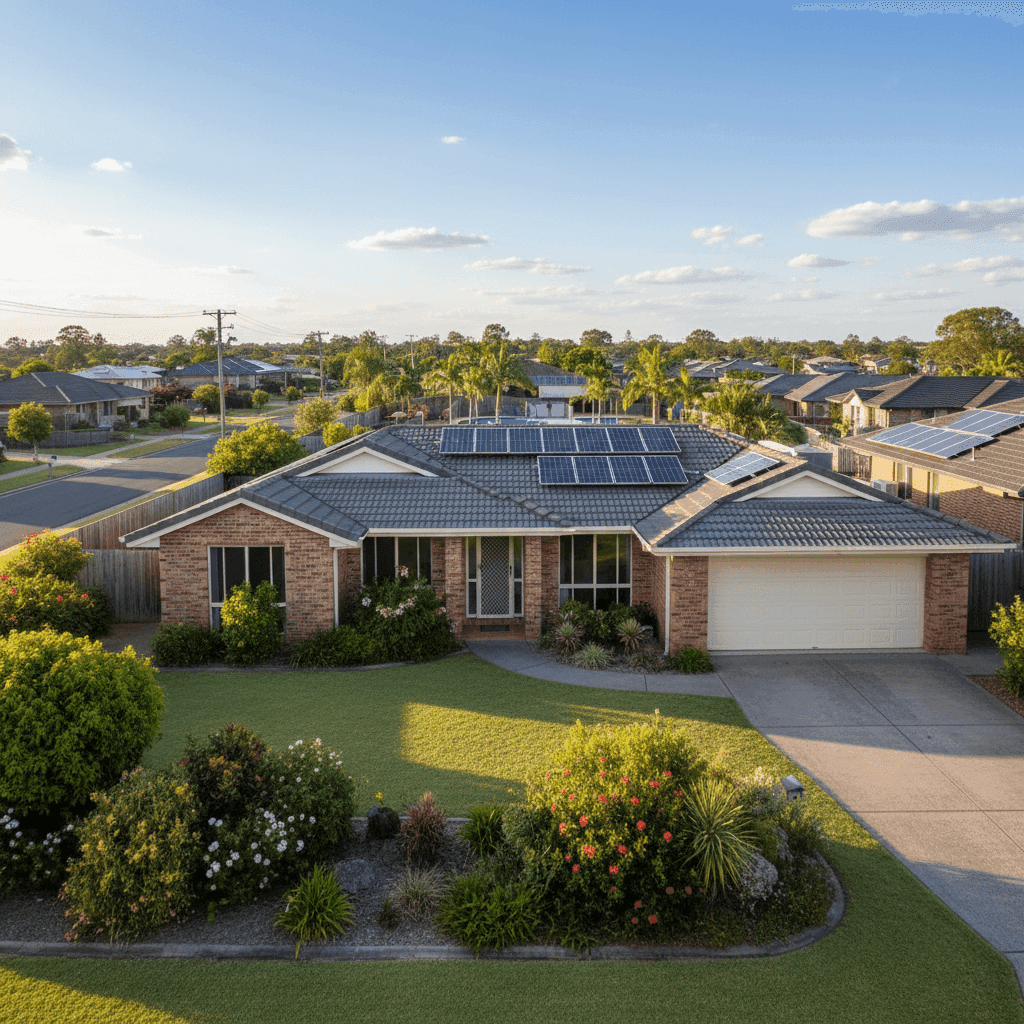
Alexandra Hills is a well-established residential suburb in the Redland City Council area, sitting about 25 kilometres south-east of Brisbane's CBD. Known for its leafy streets and family-friendly atmosphere, it's a popular choice for homeowners seeking space without straying too far from the city. This article breaks down a real home and contents insurance quote for a four-bedroom, two-bathroom free-standing home in the area — and puts the numbers in context so you know exactly where you stand.
---
Is This Quote Fair?
The short answer: yes, very much so. This quote came in at $1,349 per year (or around $132 per month), which earns a "Cheap — Below Average" price rating. That's a strong result.
To put it in perspective, the suburb average for Alexandra Hills sits at $2,156 per year, with a median of $2,087. This quote lands well below even the 25th percentile for the suburb — meaning it's cheaper than at least 75% of comparable quotes in the area. For a home insured at $763,000 (building) plus $201,000 in contents, that's a genuinely competitive outcome.
It's worth noting the excess structure: a $2,000 building excess and a $1,000 contents excess. Higher excesses typically reduce your annual premium, so part of the savings here may reflect that trade-off. If you ever need to make a claim, you'll be covering more out of pocket — but for homeowners who are claim-averse or have emergency savings, this can be a smart way to keep ongoing costs down.
---
How Alexandra Hills Compares
The pricing context here tells an interesting story. Based on data from 82 quotes collected in the suburb, Alexandra Hills premiums range considerably:
| Benchmark | Annual Premium |
|---|---|
| This quote | $1,349 |
| Suburb 25th percentile | $1,585 |
| Suburb median | $2,087 |
| Suburb average | $2,156 |
| Suburb 75th percentile | $2,777 |
| Redland LGA average | $3,312 |
| QLD state average | $4,547 |
| National average | $2,965 |
A few things stand out here. First, Alexandra Hills is actually quite affordable compared to the broader Queensland average of $4,547 — a figure heavily skewed by high-risk coastal and cyclone-prone regions further north. Second, even within the Redland LGA, where the average sits at $3,312, this suburb tracks noticeably lower. That's likely a reflection of its relatively low flood and storm surge exposure compared to bayside and waterfront parts of the LGA.
At a national median of $2,716, this quote is saving the homeowner roughly $1,367 per year compared to what the average Australian pays — a meaningful difference over time.
---
Property Features That Affect Your Premium
Several characteristics of this property work in the homeowner's favour from an insurance pricing perspective.
Brick veneer construction is generally viewed favourably by insurers. It offers solid fire resistance and structural durability compared to weatherboard or lightweight cladding, which can translate into lower rebuild risk and, in turn, lower premiums.
Tiled roofing is another positive. Concrete or terracotta tiles are among the most durable roofing materials available and tend to fare better in hail and wind events than metal or fibreglass alternatives — both common concerns in South East Queensland.
Slab foundation is standard for homes of this era and construction type, and doesn't introduce any unusual risk factors. Similarly, tile flooring throughout is a practical and durable choice that's straightforward to value and replace.
The property was built in 1996, which places it in a relatively modern bracket. Homes from this era typically comply with improved building codes introduced in the late 1980s and early 1990s, offering better structural standards than older stock.
Solar panels are present on the roof, which is worth flagging. Most home and contents policies will cover rooftop solar as part of the building sum insured, but it's worth confirming this with your insurer — particularly whether the inverter and wiring are included, and whether storm or hail damage to panels is covered.
The swimming pool adds some liability and replacement value considerations. Pools are generally covered under the building component of your policy, but you should verify that your sum insured accounts for the full cost of pool repair or replacement, including fencing (which is a legal requirement in Queensland).
Notably, this property is not in a cyclone risk area, which is a significant factor. Cyclone-rated premiums in North Queensland can be several times higher than what's seen in South East Queensland, so being outside that zone keeps costs considerably more manageable.
---
Tips for Homeowners in Alexandra Hills
1. Review your sum insured regularly Building costs have risen sharply in recent years. A sum insured of $763,000 for a 214 sqm brick veneer home is within a reasonable range, but it's worth cross-checking against a current building cost calculator or getting a professional valuation. Being underinsured at claim time can be a costly mistake.
2. Confirm solar panel coverage If your panels were installed after the original policy was taken out, there's a chance they haven't been formally added to your cover. Contact your insurer to confirm the panels, inverter, and associated wiring are included in your building sum insured.
3. Check your pool is adequately covered Queensland has strict pool fencing and safety laws. Ensure your policy covers not just the pool structure but also fencing, pumps, and filtration equipment. Some policies treat these as separate items or apply sub-limits.
4. Compare at renewal, not just at sign-up Insurance loyalty rarely pays off. Premiums can creep up at renewal even when your risk profile hasn't changed. Using a comparison tool like CoverClub at each renewal cycle is one of the easiest ways to make sure you're not overpaying.
---
Get Your Own Quote
Whether you're a homeowner in Alexandra Hills or elsewhere in Queensland, it pays to know what the market looks like before you commit to a policy. CoverClub makes it easy to compare home and contents insurance quotes based on your specific property — so you can see exactly how your premium stacks up against your neighbours. It takes just a few minutes and could save you hundreds of dollars a year.