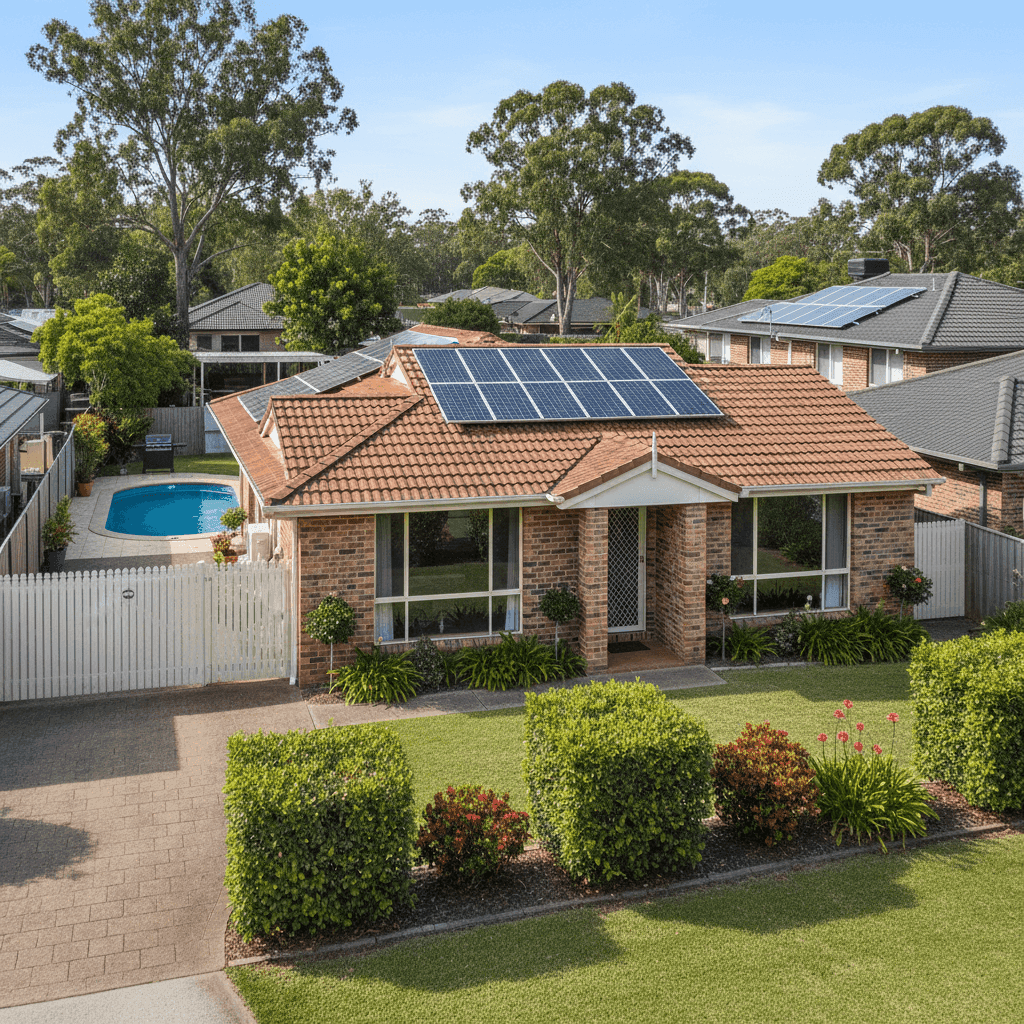
Algester is a well-established suburban pocket in Brisbane's south, known for its leafy streets, family-friendly atmosphere, and a solid mix of housing styles. This analysis looks at a home and contents insurance quote for a four-bedroom, two-bathroom semi detached property in the area — breaking down whether the premium stacks up, how it compares across different benchmarks, and what homeowners here can do to keep costs in check.
---
Is This Quote Fair?
The annual premium on this quote comes in at $2,278 per year (or $218/month), covering both building and contents with a $688,000 building sum insured and $200,000 in contents cover. Our rating for this quote is Fair — Around Average.
That assessment holds up well under scrutiny. The suburb average for Algester sits at $2,681/year, and the median is $2,405/year, meaning this quote lands comfortably below both figures. In practical terms, the policyholder is paying less than what most comparable properties in the suburb attract, which is a reasonable outcome.
It's worth noting that the 25th percentile for Algester is $1,429/year — so there is a cheaper cohort of quotes out there. However, those lower premiums likely reflect smaller properties, lower sums insured, or contents-only cover. Given this property's size (214 sqm), pool, solar panels, and ducted climate control, a premium in the mid-range is entirely plausible.
The 75th percentile sits at $3,298/year, which means this quote is well clear of the more expensive end of the local market. All things considered, "Fair" is an accurate reflection — not a bargain, but not overpriced either.
---
How Algester Compares
To put this quote in broader context, it helps to look beyond the suburb and zoom out to the state and national picture.
| Benchmark | Average | Median |
|---|---|---|
| Algester (suburb) | $2,681/yr | $2,405/yr |
| Queensland (state) | $9,129/yr | $3,903/yr |
| Australia (national) | $5,347/yr | $2,764/yr |
| Brisbane LGA | $16,277/yr | — |
A few things stand out immediately. Queensland's state average of $9,129/year is dramatically higher than what's seen in Algester — a reflection of the enormous insurance burden carried by regional and coastal Queensland communities exposed to cyclone, flood, and storm surge risk. Algester, sitting inland in metropolitan Brisbane, benefits from a far more benign risk profile by comparison.
The Brisbane LGA average of $16,277/year looks startling at first glance, but this figure is heavily skewed by high-value properties and flood-affected suburbs across the broader council area. It's not a useful benchmark for a typical Algester home.
At the national level, the average Australian home insurance premium is $5,347/year, with a median of $2,764/year. This quote at $2,278/year sits below the national median — a solid result for a property of this size and specification.
For a deeper look at how Algester sits within the Queensland insurance landscape, visit the Algester suburb stats page or explore Queensland-wide insurance data.
---
Property Features That Affect Your Premium
Several characteristics of this property directly influence what insurers charge. Understanding them helps make sense of the final figure.
Brick veneer construction and tiled roof Brick veneer walls paired with a tiled roof are generally viewed favourably by insurers. Brick veneer offers good fire resistance and structural durability, while concrete or terracotta tiles are considered more resilient than Colorbond or corrugated iron in many risk models. This combination tends to attract more competitive premiums than timber or fibro homes.
Slab foundation A concrete slab foundation is standard for many Brisbane homes built from the 1980s onward. It's considered a lower-risk foundation type compared to older timber stumps, which can be subject to termite damage, rot, and subsidence — all of which can push premiums up.
Construction year: 1989 At around 35 years old, this home sits in a middle ground for insurers. It's old enough to have some wear on systems like plumbing and electrical wiring, but not so old that it pre-dates modern building codes. Some insurers apply age-related loadings to older homes; others are comfortable with well-maintained properties of this era.
Swimming pool Pools add to the replacement cost of a property and can introduce liability considerations. They're a factor in setting the building sum insured, and $688,000 for a 214 sqm semi detached with a pool in Brisbane's south is a reasonable valuation.
Solar panels Rooftop solar systems are increasingly common on Brisbane homes, but they do add to the insured value of the building. Insurers need to account for the cost of replacing panels after storm or hail damage — a real risk in Southeast Queensland's storm season.
Ducted climate control Ducted air conditioning is a significant fixed asset within the building and contributes to the overall sum insured. It also represents a potential claims item if damaged by storm, electrical surge, or other insured events.
No cyclone risk Algester is not classified as a cyclone risk area, which is a meaningful factor. Cyclone-rated premiums in North Queensland can be many multiples of what metro Brisbane homeowners pay. This property benefits from its inland metropolitan location.
Timber and laminate flooring Timber and laminate floors are generally considered standard in contents or building assessments. They can be a factor in water damage claims, as they're more susceptible to swelling or warping than tiles — something worth keeping in mind for excess and claims purposes.
---
Tips for Homeowners in Algester
1. Review your building sum insured regularly Construction costs have risen significantly over the past few years. A sum insured set even two or three years ago may no longer reflect the true cost of rebuilding. Use an independent building cost calculator or speak to a quantity surveyor to ensure you're not underinsured — especially with a pool and solar system to account for.
2. Consider your excess strategically This policy carries a $1,000 excess for both building and contents. Opting for a higher excess (say, $2,500 or $5,000) can reduce your annual premium meaningfully. If you have the savings buffer to cover a larger out-of-pocket cost in a claim, this can be a smart trade-off.
3. Maintain your roof and gutters before storm season Southeast Queensland's storm season runs from roughly October through March. Insurers can dispute claims where damage is attributed to pre-existing wear and tear rather than a storm event. Keeping your tiled roof in good repair and gutters clear is both a safety measure and a claims protection strategy.
4. Compare quotes at renewal — not just at inception Many homeowners set and forget their home insurance. Premiums can shift significantly year on year, and loyalty doesn't always pay. Shopping around at renewal is one of the most effective ways to ensure you're not drifting into the expensive end of the market.
---
Compare Your Own Quote
Whether you're renewing soon or just curious about what your home should cost to insure, CoverClub makes it easy to benchmark your premium against real data from your suburb and beyond. Get a quote and compare — it only takes a few minutes, and the savings can be well worth it.