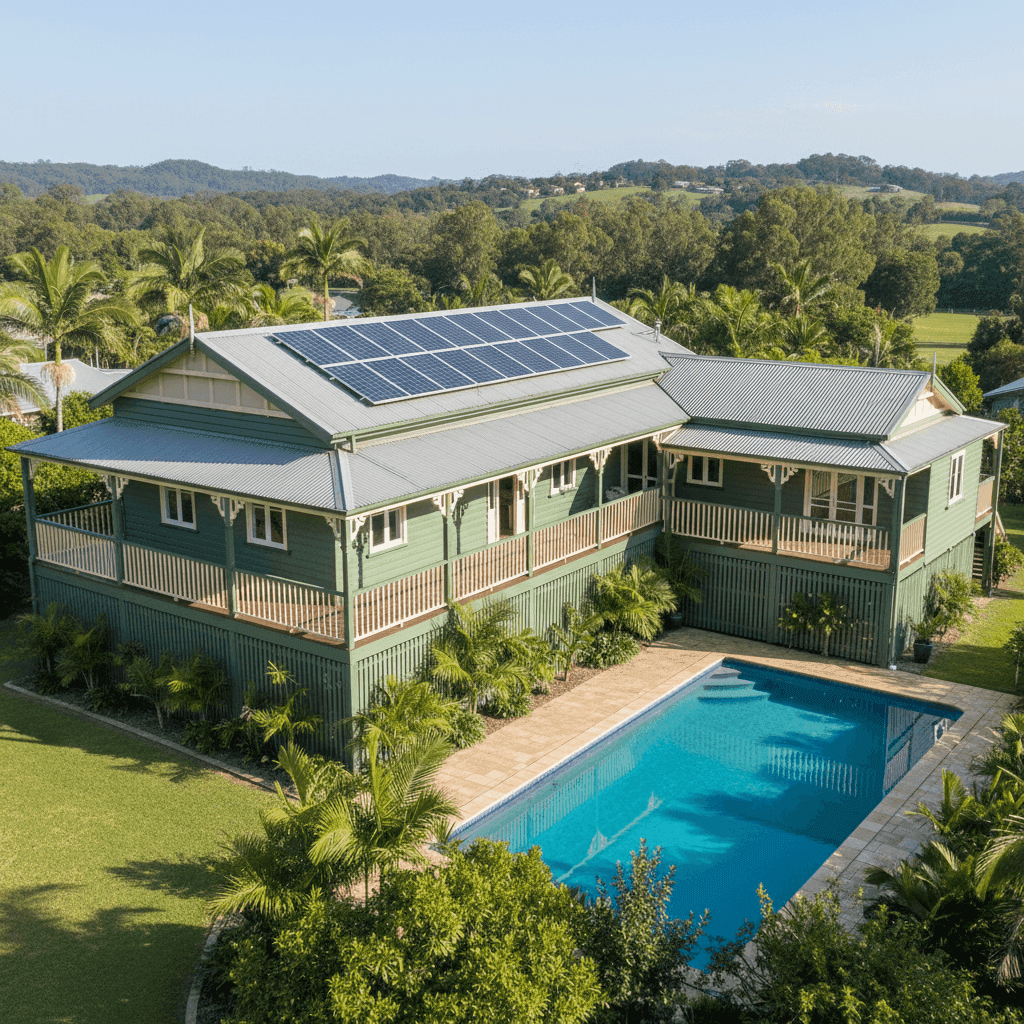
If you own a free standing home in Alstonville, NSW 2477, you already know the appeal — lush Northern Rivers hinterland, a relaxed lifestyle, and a strong sense of community. But owning property here, particularly a heritage-listed weatherboard home built in 1930, comes with some unique insurance considerations. This article breaks down a recent home and contents insurance quote for a 4-bedroom, 2-bathroom property in Alstonville, examines how the premium stacks up against local and national benchmarks, and offers practical tips to help you get better value on your cover.
---
Is This Quote Fair?
The quote in question comes in at $6,181 per year (or $592/month) for combined home and contents cover, with a building sum insured of $1,301,000 and contents valued at $202,000. Both the building and contents excess are set at $1,000.
Our price rating for this quote is Expensive — Above Average.
To understand why, it helps to look at the local context. The average home insurance premium in Alstonville sits at $2,636 per year, with a median of $2,494. This quote is more than 2.3 times the suburb average — a significant gap that warrants a closer look.
That said, "above average" doesn't necessarily mean "unfair." This property carries a number of features that legitimately push premiums higher: it's a heritage-listed, century-old weatherboard home on stumps, elevated less than a metre off the ground, with above-average fittings, a pool, solar panels, a granny flat, and ducted climate control. Each of these factors adds complexity and replacement cost to the risk profile. The high building sum insured of $1.3 million also reflects the elevated rebuild cost associated with heritage construction — restoring period-accurate weatherboard detailing and materials is considerably more expensive than a standard modern build.
So while the premium is above the suburb norm, the property itself is far from a standard Alstonville home. Homeowners with more modest properties should expect to pay considerably less.
---
How Alstonville Compares
Understanding where Alstonville sits in the broader insurance landscape is useful context for any homeowner in the area.
| Benchmark | Average Premium | Median Premium |
|---|---|---|
| Alstonville (NSW 2477) | $2,636/yr | $2,494/yr |
| New South Wales | $9,528/yr | $3,770/yr |
| National | $5,347/yr | $2,764/yr |
| Lismore LGA | $18,453/yr | — |
Based on CoverClub quote data. Sample size for Alstonville: 28 quotes.
A few things stand out here. First, the NSW state average of $9,528 is dramatically higher than the Alstonville suburb average — this is largely driven by flood and storm-affected areas across the state, including parts of the broader Lismore LGA. In fact, the Lismore LGA average of $18,453 is a stark reminder of how much flood risk can inflate premiums in this region. Alstonville itself sits on higher ground and is not classified as a cyclone risk area, which helps keep local premiums more moderate.
Compared to the national average of $5,347, the Alstonville suburb median of $2,494 is actually quite competitive — suggesting that for standard homes in the area, insurance remains reasonably affordable. The quote analysed here exceeds the national average, but again, this reflects the exceptional nature of the property rather than a systemic pricing issue in the suburb.
---
Property Features That Affect Your Premium
Several characteristics of this particular property have a meaningful impact on what insurers charge. Here's how they factor in:
Heritage listing & construction year (1930) Heritage-listed properties are among the most expensive to insure in Australia. Insurers must account for the cost of restoring or rebuilding using period-appropriate materials and methods — which can be two to three times more expensive than standard construction. The 1930 build date also means the home predates modern building codes, adding further complexity.
Weatherboard wood external walls Timber weatherboard is more susceptible to fire, moisture damage, and general deterioration than brick or rendered masonry. Insurers typically apply higher risk weightings to timber-clad homes, particularly older ones.
Stumps foundation & elevated position Homes on stumps have unique vulnerabilities — subfloor access issues, potential for movement, and exposure to pests. The elevation of less than 1 metre can also affect flood and inundation risk assessments, depending on the specific site.
Timber and laminate flooring Combined with weatherboard walls, the predominance of timber throughout the home increases the fire risk profile and replacement cost.
Above-average fittings quality Higher-end fixtures, fittings, and finishes mean a higher cost to replace like-for-like. Insurers factor this into both the building sum insured and the overall risk assessment.
Pool, solar panels, granny flat & ducted climate control Each of these additions increases the total insured value and introduces additional liability or replacement cost. A pool adds both asset value and public liability considerations. Solar panels are increasingly common but add to the rebuild cost. A granny flat is effectively a second dwelling on the same property. Ducted climate control systems can be costly to repair or replace.
Taken together, these features paint a picture of a high-value, complex property — and the premium reflects that.
---
Tips for Homeowners in Alstonville
Whether your premium is similar to this quote or closer to the suburb average, there are steps you can take to make sure you're getting the best value.
1. Review your sum insured regularly Building costs have risen sharply across Australia in recent years. If your sum insured hasn't been updated to reflect current rebuild costs — especially for a heritage property — you could be underinsured. Use a qualified quantity surveyor or your insurer's building calculator to validate your figure annually.
2. Compare multiple quotes The spread between insurers on complex properties like heritage homes can be substantial. Don't assume your current insurer offers the best rate. Get a fresh quote through CoverClub to see how different providers price your specific risk profile.
3. Consider your excess strategically Both the building and contents excess on this quote are set at $1,000. Opting for a higher voluntary excess — say $2,500 or $5,000 — can reduce your annual premium meaningfully. This makes sense if you have the financial buffer to cover a larger out-of-pocket cost in the event of a claim.
4. Document your heritage features and contents For heritage homes, having detailed photographic records and quotes from heritage-specialist builders can streamline the claims process and ensure you're adequately compensated. Similarly, maintain an up-to-date home contents inventory — particularly for above-average fittings and high-value items — to avoid disputes at claim time.
---
Ready to Compare?
Whether you're reassessing your existing policy or shopping for cover for the first time, comparing quotes is the single most effective way to ensure you're not overpaying. CoverClub makes it easy to see how your premium stacks up and find competitive options tailored to your property.
Check your suburb's insurance stats or get a personalised quote today — it only takes a few minutes and could save you hundreds.