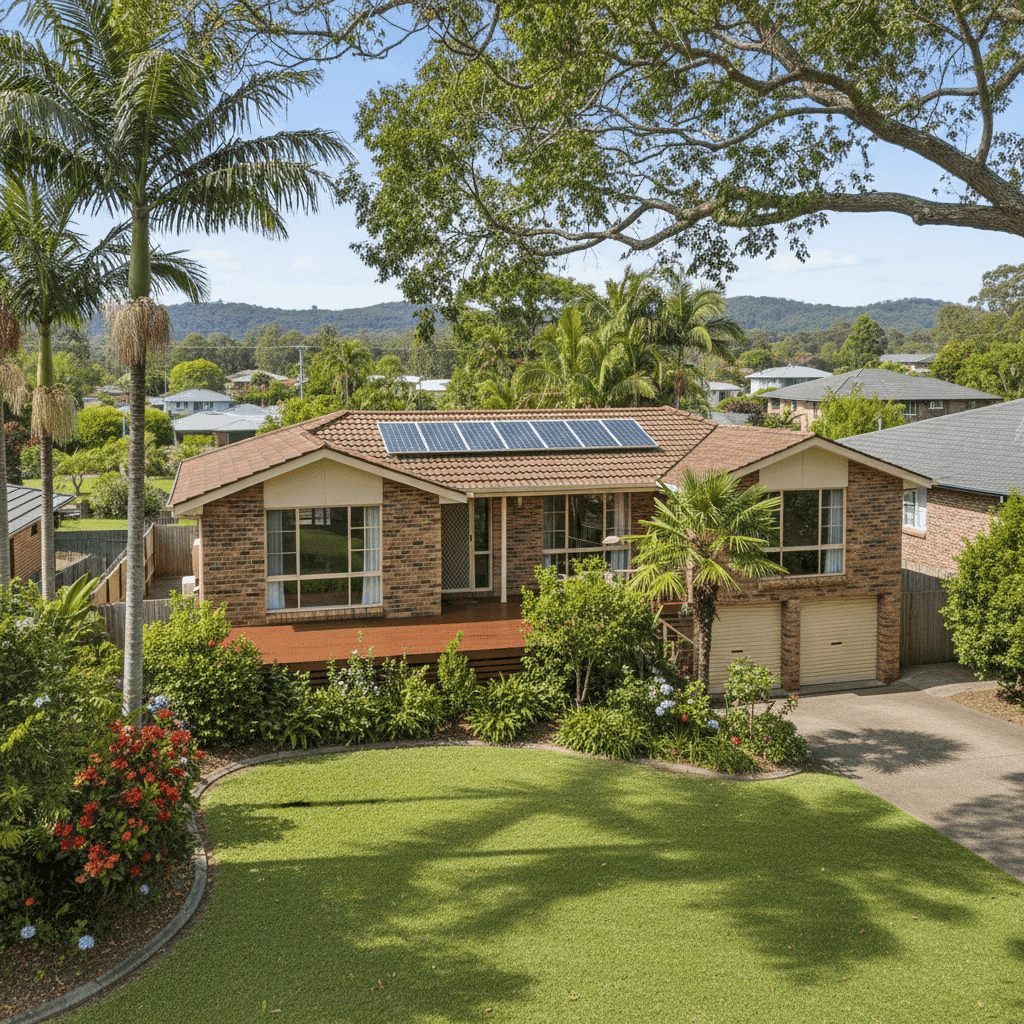
Alstonville is a leafy hinterland town in the Northern Rivers region of New South Wales — known for its macadamia farms, relaxed lifestyle, and strong sense of community. It's also a suburb where home insurance pricing sits in an interesting spot: well below the NSW state average, yet still reflective of some unique local risk factors. This article takes a close look at a real home and contents insurance quote for a 3-bedroom, free-standing brick veneer home in Alstonville (postcode 2477), and unpacks what's driving the price.
---
Is This Quote Fair?
The quote in question comes in at $1,927 per year (or $188/month) for combined home and contents cover, with a building sum insured of $905,000 and contents valued at $150,000. The building excess is $2,000 and the contents excess is $1,000.
Our price rating for this quote is FAIR — Around Average, and the data backs that up. Based on 35 quotes collected for Alstonville (2477), the suburb average sits at $2,058/year and the median at $1,886/year. At $1,927, this quote lands almost exactly at the median — meaning roughly half of comparable properties in the suburb are paying more, and half are paying less.
That's a reasonably healthy position to be in. It's not a standout bargain, but it's not overpriced either. If you're sitting near the suburb median, you're in the ballpark of what the local market is bearing for similar cover.
It's worth noting the spread in this suburb is quite wide. The 25th percentile sits at just $1,152/year, while the 75th percentile reaches $2,707/year — a range of over $1,500 between the cheaper and more expensive quotes. That kind of spread tells us that insurers are pricing Alstonville properties quite differently depending on individual risk factors, which means there's real value in shopping around.
---
How Alstonville Compares
To put this quote in broader context, let's look at how Alstonville stacks up against NSW as a whole and national benchmarks.
| Benchmark | Average Premium | Median Premium |
|---|---|---|
| Alstonville (2477) | $2,058/yr | $1,886/yr |
| NSW State | $3,801/yr | $3,410/yr |
| National | $2,965/yr | $2,716/yr |
The contrast is striking. The NSW state average of $3,801/year is nearly double the Alstonville suburb average — largely because NSW includes high-risk areas like flood-prone inland regions, bushfire-exposed outer suburbs, and coastal zones that attract significant premium loadings.
Nationally, the average of $2,965/year is also well above what Alstonville homeowners are typically paying, which suggests this suburb sits in a relatively favourable risk category compared to many parts of Australia.
One figure that stands out, however, is the LGA (Lismore) average of $18,453/year. Alstonville falls within the Lismore LGA, which was devastated by catastrophic flooding in 2022. Many properties in the broader LGA — particularly those closer to the Wilsons River floodplain — attract enormous premiums or struggle to obtain cover at all. Alstonville itself sits on higher ground, which explains why its premiums are dramatically lower than the LGA average. This geographic distinction is crucial for homeowners in the area to understand.
---
Property Features That Affect Your Premium
Several characteristics of this property influence how insurers assess and price the risk.
Brick veneer construction is generally viewed favourably by insurers. It offers solid fire resistance and structural durability compared to weatherboard or lightweight cladding, which can translate to lower premiums or better coverage terms.
Tiled roof is another positive signal. Tiles are durable, fire-resistant, and long-lasting — insurers tend to rate them well compared to older materials like fibrous cement sheeting or ageing metal roofing.
Stump foundations are common in older Queensland-style homes across the Northern Rivers and are generally well understood by insurers in this region. They can, however, introduce some considerations around subsidence and pest inspection history, so it's worth ensuring your policy covers structural issues related to the subfloor.
Timber and laminate flooring is worth noting from a contents and building perspective. Timber floors can be costly to repair or replace if damaged by water ingress, so confirming your policy's water damage provisions is worthwhile.
Solar panels, present on this property, are an increasingly common feature that insurers handle in different ways. Some policies automatically include solar panels as part of the building sum insured; others treat them as a separate item or exclude them entirely. It's essential to check how your insurer defines and covers rooftop solar — particularly given the replacement cost of a full system can run into the thousands.
The 1985 construction year places this home in an era of solid but ageing construction. Wiring, plumbing, and roofing from this period may be approaching the end of their serviceable life, which some insurers factor into their risk assessment. Keeping up with maintenance and having records of any upgrades can help when making a claim.
---
Tips for Homeowners in Alstonville
1. Verify your solar panel coverage Don't assume your solar system is automatically covered under your building policy. Ask your insurer specifically whether panels are included in the sum insured, and whether damage from storms, hail, or electrical faults is covered. Given the Northern Rivers can experience severe storms, this is a must-check.
2. Understand your flood risk — even on high ground While Alstonville sits above the worst flood-affected areas of the Lismore LGA, it's still worth confirming whether your policy includes flood cover and how your insurer defines "flood" versus "storm surge" or "rainwater runoff." These distinctions matter enormously at claim time.
3. Review your building sum insured regularly With a sum insured of $905,000 on a 130 sqm home, it's important this figure reflects the true cost to rebuild — not the market value of the property. Construction costs have risen sharply in regional NSW in recent years, and being underinsured can leave you significantly out of pocket after a major loss.
4. Consider increasing your excess to reduce your premium The wide premium spread in Alstonville (from $1,152 to $2,707) suggests there's room to negotiate. If you have a financial buffer, opting for a higher excess can meaningfully reduce your annual premium. Just make sure the excess remains manageable if you need to make a claim.
---
Compare Your Options with CoverClub
Whether you're reviewing an existing policy or shopping for cover on a new property, it pays to compare. CoverClub makes it easy to see what other homeowners in your area are paying and to get quotes tailored to your property. Start comparing home insurance quotes today and make sure you're getting the right cover at a fair price.