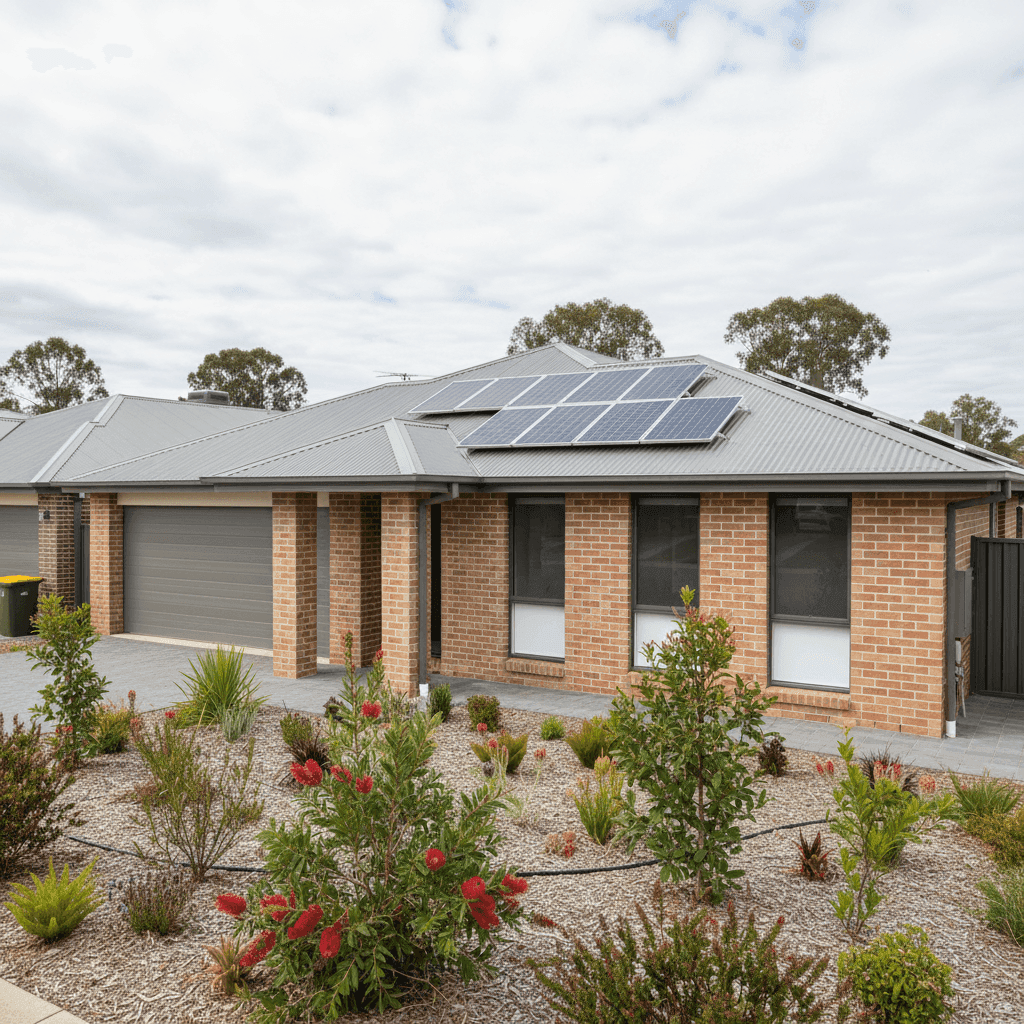
Alstonville is one of the Northern Rivers' most sought-after residential pockets — a leafy, elevated town in the Ballina Shire that attracts families drawn to its relaxed lifestyle and quality housing stock. If you own a free-standing home here, understanding what you should be paying for insurance is just as important as knowing what your property is worth. This article breaks down a recent home and contents insurance quote for a four-bedroom, three-bathroom brick veneer home in Alstonville (NSW 2477) and puts the numbers into context.
---
Is This Quote Fair?
The quote in question comes in at $2,627 per year (or $260/month) for combined home and contents cover, with a building sum insured of $1,100,000 and contents valued at $100,000. The building excess is set at $2,500, and the contents excess at $500.
Our pricing analysis rates this quote as Fair — Around Average. That's a reasonable outcome for a property of this size and specification, though "average" doesn't always mean "the best available." It simply means the premium sits comfortably within the typical range seen for comparable properties in the area, without being a standout bargain or an obvious overpay.
Given that this is a 244 sqm home built in 1980 with above-average fittings, a $1.1 million building sum insured is not unreasonable — and a higher sum insured will naturally push premiums upward. Homeowners with above-average fixtures and finishes (think quality joinery, stone benchtops, premium tapware) need to ensure their cover genuinely reflects rebuild costs, so the sum insured here appears well-considered.
---
How Alstonville Compares
To understand whether this quote represents value, it helps to zoom out and look at the broader pricing landscape. Here's how the $2,627 annual premium stacks up across different benchmarks:
| Benchmark | Average Premium | Median Premium |
|---|---|---|
| Alstonville (2477) | $2,058/yr | $1,886/yr |
| NSW | $3,801/yr | $3,410/yr |
| National | $2,965/yr | $2,716/yr |
| LGA (Lismore) | $7,411/yr | — |
(Based on 35 quotes collected for the Alstonville suburb. [View full Alstonville stats →](https://coverclub.com.au/stats/NSW/2477/alstonville))
A few things stand out here:
- Versus the suburb: The quote is above both the Alstonville average ($2,058) and the median ($1,886), but it falls well within the 75th percentile of $2,707 — meaning most homes in the area are paying less, but a meaningful portion are paying a similar amount or more. The higher sum insured and above-average fittings likely account for the gap.
- Versus NSW: At $2,627, this quote is actually well below the NSW state average of $3,801 and the state median of $3,410. That's a significant saving compared to many NSW homeowners. See NSW insurance data →
- Versus the national picture: Similarly, this premium sits below both the national average ($2,965) and national median ($2,716), suggesting Alstonville remains a relatively affordable area to insure compared to many parts of Australia. Explore national stats →
- Versus the Lismore LGA: Perhaps the most striking comparison — the broader Lismore LGA average sits at a staggering $7,411/year. Alstonville's elevated geography likely plays a significant role here, as the town sits above the flood-prone lowlands that have driven premiums sky-high across much of the Northern Rivers following recent catastrophic flood events.
---
Property Features That Affect Your Premium
Several characteristics of this property will have directly influenced the quoted premium — both positively and negatively.
Brick veneer construction is generally well-regarded by insurers. It's durable, fire-resistant, and widely understood in terms of rebuild costs — all of which can contribute to more competitive premiums compared to weatherboard or lightweight cladding.
Colorbond steel roofing is another tick in the right column. It's low-maintenance, performs well in high-wind conditions, and is resistant to ember attack — a relevant consideration for properties in regional NSW. It's also cheaper to replace than terracotta or concrete tiles, which can moderate rebuild cost estimates.
Slab foundation is generally considered a lower-risk foundation type from an insurer's perspective, as it's less susceptible to subsidence issues that can affect older stumped or pier-and-beam homes.
Timber and laminate flooring can add complexity to contents and building claims — timber in particular can be costly to repair or match if damaged — but this is a common flooring type and unlikely to be a major premium driver on its own.
Solar panels are worth noting. While they can add value and reduce energy costs, they also increase the insured value of the property and can be a source of claims (storm damage, hail impact). Some insurers include solar panels under building cover automatically; others may require specific mention. It's worth confirming your policy covers them.
Above-average fittings quality is one of the most significant premium influencers here. Higher-quality fixtures cost more to repair or replace, and insurers price this into the premium. It also justifies the higher building sum insured.
No pool and no cyclone risk are both factors that keep the premium from climbing further. Pools introduce liability and maintenance-related claim risks, and cyclone-rated construction requirements (common further north in Queensland) add cost. Alstonville sits just outside cyclone-designated zones, which is a meaningful advantage.
---
Tips for Homeowners in Alstonville
1. Review your building sum insured annually. Construction costs have risen sharply in recent years across regional NSW. A sum insured that was accurate two years ago may now fall short of actual rebuild costs. Use a building cost estimator or ask your insurer to review the figure — underinsurance is one of the most common and costly mistakes homeowners make.
2. Confirm your solar panels are covered. With solar panels on the roof, check the fine print of your policy. Some policies cover panels as part of the building; others treat them as a separate item or exclude storm damage above a certain wind speed. Don't assume — ask your insurer directly.
3. Consider your excess strategy. This quote carries a $2,500 building excess. A higher excess typically reduces your premium, but it also means more out-of-pocket expense when you do claim. Think carefully about what you could comfortably cover in an emergency and set your excess accordingly.
4. Shop around — even if your current quote seems fair. A "fair" rating means you're not being overcharged, but it doesn't mean you're getting the best available deal. The spread between the 25th percentile ($1,152) and 75th percentile ($2,707) in Alstonville shows there's significant variation in the market. Comparing multiple quotes could reveal meaningful savings without sacrificing cover quality.
---
Ready to Compare?
Whether you're renewing your policy or insuring a new property, it pays to see what the market is offering. CoverClub makes it easy to compare home and contents insurance quotes for properties across Alstonville and the broader Northern Rivers region. Get a quote today → and find out if you could be paying less — or getting more for what you already pay.