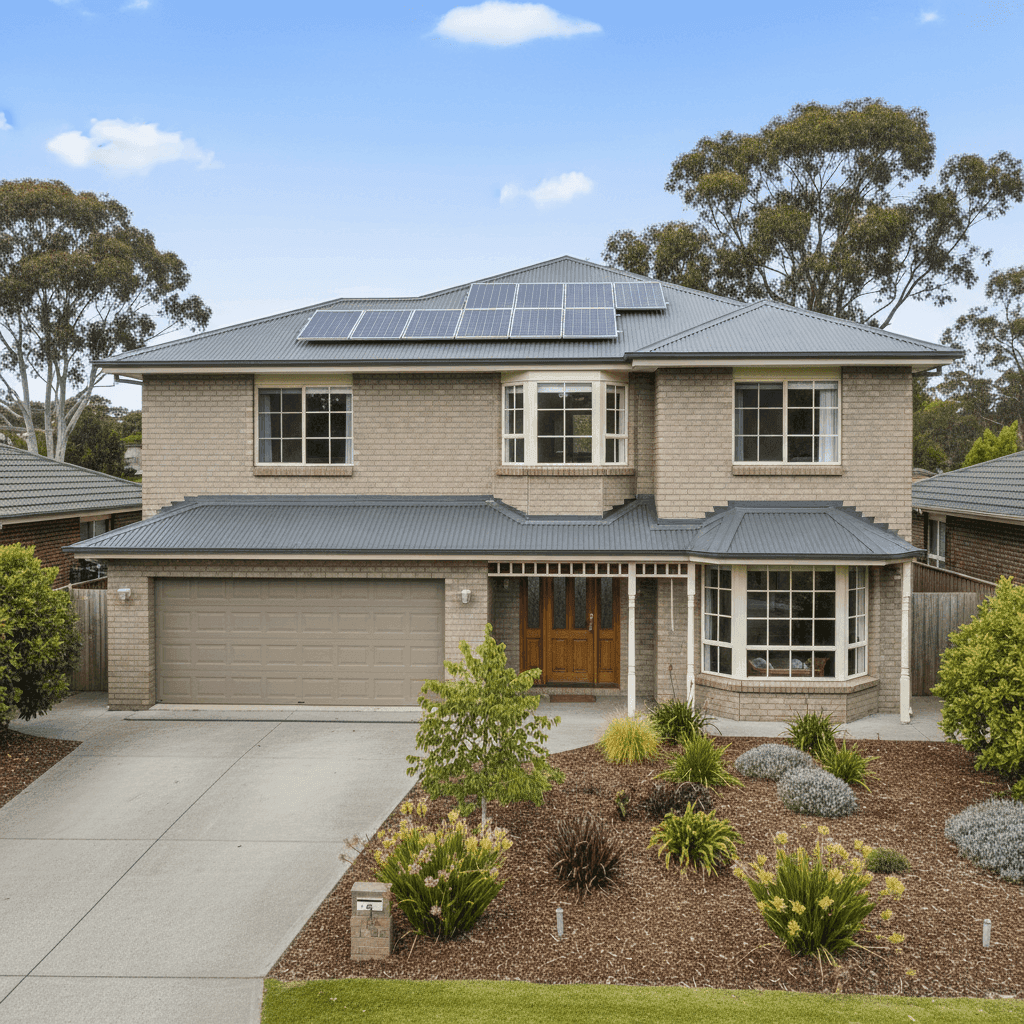
Getting a home insurance quote can feel like a guessing game — is what you're being offered actually good value, or are you paying more than you should? This article breaks down a real home and contents insurance quote for a three-bedroom, two-bathroom free standing home in Ambleside, TAS 7310, comparing it against local, state-wide, and national benchmarks so you can make a truly informed decision.
---
Is This Quote Fair?
The short answer: yes — this is a genuinely competitive quote.
At $1,175 per year (or around $113 per month), this home and contents policy has been rated CHEAP — meaning it sits well below the average for the area. To put that in perspective, the suburb average for Ambleside sits at $2,112 per year, which means this quote comes in at roughly 44% below what most homeowners in the postcode are paying.
Even compared to the suburb's 25th percentile — the point at which only one in four quotes are cheaper — this premium of $1,175 undercuts the field significantly. That's a meaningful saving, not just a marginal one.
The policy covers $350,000 in building sum insured and $25,000 in contents, with a $5,000 excess applying to both building and contents claims. The higher excess is a key reason the premium is as low as it is — by agreeing to cover more of any claim out of pocket, the insurer rewards you with a lower ongoing cost. Whether that trade-off suits your financial situation is worth thinking through carefully.
---
How Ambleside Compares
To truly appreciate this quote, it helps to zoom out and look at the broader picture. Here's how the $1,175 annual premium stacks up across different comparison points:
| Benchmark | Annual Premium |
|---|---|
| This Quote | $1,175 |
| Ambleside Suburb Average | $2,112 |
| Ambleside Suburb Median | $1,881 |
| Latrobe LGA Average | $2,222 |
| Tasmania State Average | $2,458 |
| Tasmania State Median | $2,272 |
| National Average | $2,965 |
| National Median | $2,716 |
You can explore more local data on the Ambleside suburb insurance stats page, or compare against the broader Tasmanian insurance landscape and national averages.
Tasmania as a whole tends to sit below the national average for home insurance — largely because the state doesn't face the same cyclone, flood, or bushfire risk profiles that drive premiums sky-high in parts of Queensland, Northern Territory, and Western Australia. Ambleside, located in the Latrobe local government area in Tasmania's north-west, benefits from a relatively stable risk environment, which is reflected in these numbers.
It's worth noting the suburb sample size here is five quotes, so the local averages should be treated as indicative rather than definitive. As more data is collected, these figures will become increasingly reliable.
---
Property Features That Affect Your Premium
Every property is different, and insurers weigh up a range of factors when calculating your premium. Here's how the characteristics of this particular home likely influence the final price:
Double Brick Walls Double brick construction is regarded highly by insurers. It's robust, fire-resistant, and less susceptible to storm damage than lightweight cladding or weatherboard. This is one of the most premium-friendly wall types you can have.
Steel/Colorbond Roof Colorbond roofing is durable, low-maintenance, and performs well in a range of weather conditions. It's a common choice across Australia and generally viewed favourably by underwriters — particularly compared to older terracotta tiles, which can crack or shift over time.
Slab Foundation A concrete slab foundation is stable and reduces the risk of subsidence-related claims. Combined with double brick walls, this home has a solid structural profile that insurers tend to reward.
Built in 1995 At around 30 years old, this home is neither brand new nor ageing to the point of concern. Properties from the mid-1990s were built to reasonable construction standards and typically don't carry the elevated risk associated with much older homes.
Solar Panels The presence of solar panels adds a small layer of complexity to a policy — they need to be covered for damage from storms, fire, or other events. Some insurers include them automatically under building cover; others may require you to confirm they're listed. It's worth checking your policy wording to ensure your system is fully protected.
No Pool, No Ducted Climate Control The absence of a swimming pool removes a notable liability and maintenance risk from the equation. Similarly, no ducted climate control means fewer mechanical systems that could fail or cause water damage. Both factors contribute to a cleaner risk profile.
Standard Fittings, Carpet Flooring Standard-quality fittings and carpet flooring keep the replacement cost of the home at a reasonable level, supporting the $350,000 building sum insured without over- or under-insuring.
---
Tips for Homeowners in Ambleside
Whether you're reviewing an existing policy or shopping around for the first time, here are some practical steps to make sure you're getting the best value:
1. Review your sum insured regularly Building costs have risen sharply across Australia in recent years. A sum insured of $350,000 may be appropriate today, but it's worth revisiting annually to ensure it reflects current rebuild costs — not what your home was worth several years ago. Underinsurance is one of the most common and costly mistakes homeowners make.
2. Understand your excess before you commit A $5,000 excess is on the higher end of the scale. While it brings your premium down considerably, it means you'll need to cover the first $5,000 of any claim yourself. If a storm damaged your Colorbond roof or a burst pipe caused internal damage, would you be comfortable funding that gap? Make sure your emergency savings align with your excess level.
3. Confirm your solar panels are covered As mentioned above, solar panels aren't always automatically included in standard building cover. Check your Product Disclosure Statement (PDS) to confirm whether your system — including panels, inverter, and mounting hardware — is covered, and for what events.
4. Compare quotes at renewal time Loyalty doesn't always pay in the insurance world. Insurers frequently offer better rates to new customers than to existing ones. Even if you're happy with your current provider, running a comparison at renewal gives you leverage — and sometimes a better deal altogether.
---
Ready to Compare?
Whether this quote is yours or you're simply researching what fair looks like in Ambleside, the best way to know you're getting value is to compare. At CoverClub, you can enter your property details and see how quotes stack up across a range of insurers — all in one place, with no obligation. It takes just a few minutes and could save you hundreds each year.