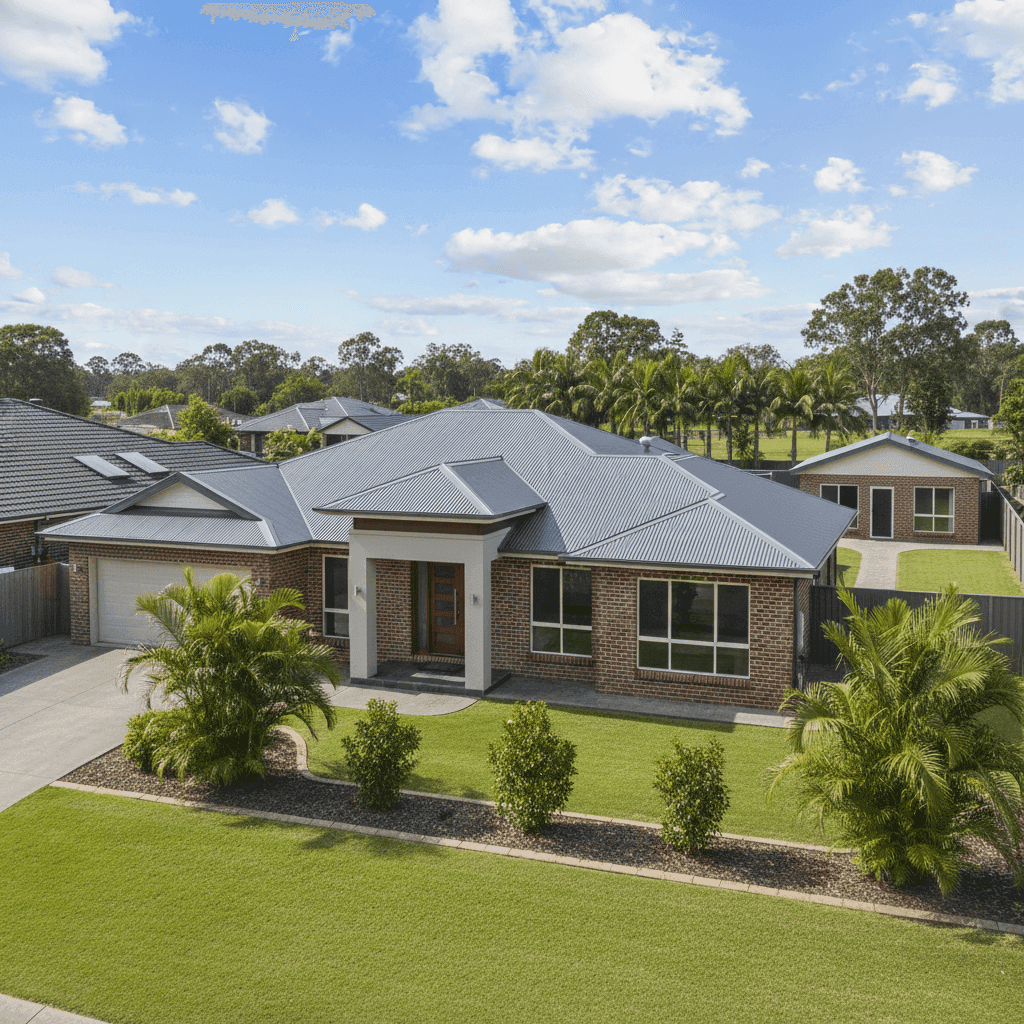
Andergrove is a well-established residential suburb in the Mackay region of Queensland, and like much of coastal Queensland, it presents a unique set of considerations for homeowners seeking insurance. This analysis looks at a home and contents insurance quote for a five-bedroom, three-bathroom free-standing home in Andergrove (postcode 4740) — a sizeable brick veneer property built in 1990 with a Colorbond roof, slab foundation, and a granny flat on site. Let's unpack what the numbers mean and whether this quote represents good value.
---
Is This Quote Fair?
The annual premium for this property came in at $4,183 per year (or roughly $418 per month), covering a building sum insured of $1,033,000 and contents valued at $175,000. The building excess is set at $3,000 and the contents excess at $1,000.
Our price rating for this quote is FAIR — Around Average, which is a reasonable outcome given the property's size, location, and risk profile. It sits comfortably within the middle range of what Andergrove homeowners are paying, neither a standout bargain nor cause for concern. That said, "average" in a cyclone-prone region like Mackay is still considerably higher than what most Australians pay — so it's worth understanding exactly what's driving the cost.
---
How Andergrove Compares
To put this quote in context, here's how it stacks up against local, state, and national benchmarks:
| Benchmark | Average Premium | Median Premium |
|---|---|---|
| Andergrove (4740) | $4,460/yr | $4,246/yr |
| Queensland | $4,547/yr | $3,931/yr |
| Australia (National) | $2,965/yr | $2,716/yr |
| Mackay LGA | $5,218/yr | — |
At $4,183 per year, this quote sits below the Andergrove suburb average of $4,460 and just under the suburb median of $4,246. It also comes in well below the broader Mackay LGA average of $5,218 — a meaningful saving given that the LGA encompasses higher-risk and more exposed properties across the region.
Compared to the Queensland state average of $4,547, this quote is modestly cheaper, which is encouraging for a property of this scale in a cyclone risk zone. However, when measured against the national average of $2,965, the gap is stark — Andergrove homeowners pay roughly 41% more than the typical Australian homeowner. This isn't unusual for coastal Queensland, where natural hazard risk is priced heavily into premiums.
You can explore more localised data on the Andergrove suburb insurance stats page, which is based on a sample of 62 quotes from the area.
---
Property Features That Affect Your Premium
Several characteristics of this particular property have a meaningful influence on what insurers charge:
Cyclone Risk Area
This is arguably the single biggest premium driver. Andergrove falls within a designated cyclone risk zone, and insurers factor in the elevated likelihood of wind, storm surge, and structural damage. Cyclone cover in Queensland typically comes with specific sub-limits and higher excesses, and it's a primary reason why premiums in this region dwarf the national average.
Large Home with Granny Flat
At 286 square metres, this is a substantial home — and the presence of a granny flat adds further complexity. Insurers need to account for the additional structure, its replacement cost, and any liability considerations. Homeowners should confirm explicitly with their insurer that the granny flat is covered under the policy, as some standard policies may treat it as a separate dwelling requiring separate cover.
Brick Veneer Walls and Colorbond Roof
Brick veneer construction is generally viewed favourably by insurers — it offers solid fire resistance and structural integrity. A steel Colorbond roof is similarly well-regarded, particularly in cyclone-prone areas, as it tends to perform better under high wind conditions than some other roofing materials. These features likely help moderate the premium compared to properties with timber frames or older roofing.
Above-Average Fittings Quality
The above-average fittings quality noted for this property means the cost to rebuild or repair to the same standard is higher than a standard home. Kitchens, bathrooms, and finishes all factor into the building sum insured — which at $1,033,000 reflects both the size of the home and the quality of its internal fitout.
1990 Construction
Homes built in 1990 sit in an interesting bracket. They're old enough that some components (plumbing, electrical, roofing) may be approaching the end of their serviceable life, but they also predate some of the more modern building code improvements introduced after major cyclone events. Insurers may price in a modest risk premium for older builds.
Slab Foundation and Tiled Flooring
A concrete slab foundation is a solid base in Queensland's climate, offering good resistance to moisture and termite ingress. Tiled flooring throughout is also practical and durable — and relatively inexpensive to replace compared to timber or carpet, which may slightly reduce the contents and building replacement cost.
---
Tips for Homeowners in Andergrove
1. Review Your Building Sum Insured Carefully
With a sum insured of over $1 million, it's essential to ensure this figure accurately reflects the current cost to rebuild your home — not its market value. Construction costs in regional Queensland have risen significantly in recent years. Underinsurance is a common and costly mistake; consider getting a professional building valuation every few years.
2. Confirm Granny Flat Coverage
Don't assume your granny flat is automatically covered under your main home policy. Contact your insurer directly and ask for written confirmation of what structures are included. If the flat is rented out, you may need landlord insurance or a separate policy endorsement.
3. Prepare for Cyclone Season
Living in a cyclone risk area means preparation is everything. Securing loose outdoor items, trimming overhanging trees, and checking roof fixings before the wet season can reduce the risk of a claim — and some insurers offer discounts for properties with cyclone-rated shutters or reinforced roofing. Ask your insurer whether any mitigation measures could reduce your premium.
4. Compare Quotes Annually
Insurance premiums in Queensland can shift significantly year to year based on claims history, reinsurance costs, and natural disaster modelling. Even if you're satisfied with your current insurer, it's worth shopping around at renewal time. A quote that was competitive last year may not be the best available today.
---
Ready to Compare?
Whether you're renewing your policy or buying cover for the first time, comparing quotes is one of the easiest ways to make sure you're not overpaying. At CoverClub, you can get a home and contents insurance quote tailored to your property in Andergrove and see how it stacks up against real data from your suburb. It takes just a few minutes and could save you hundreds of dollars a year.