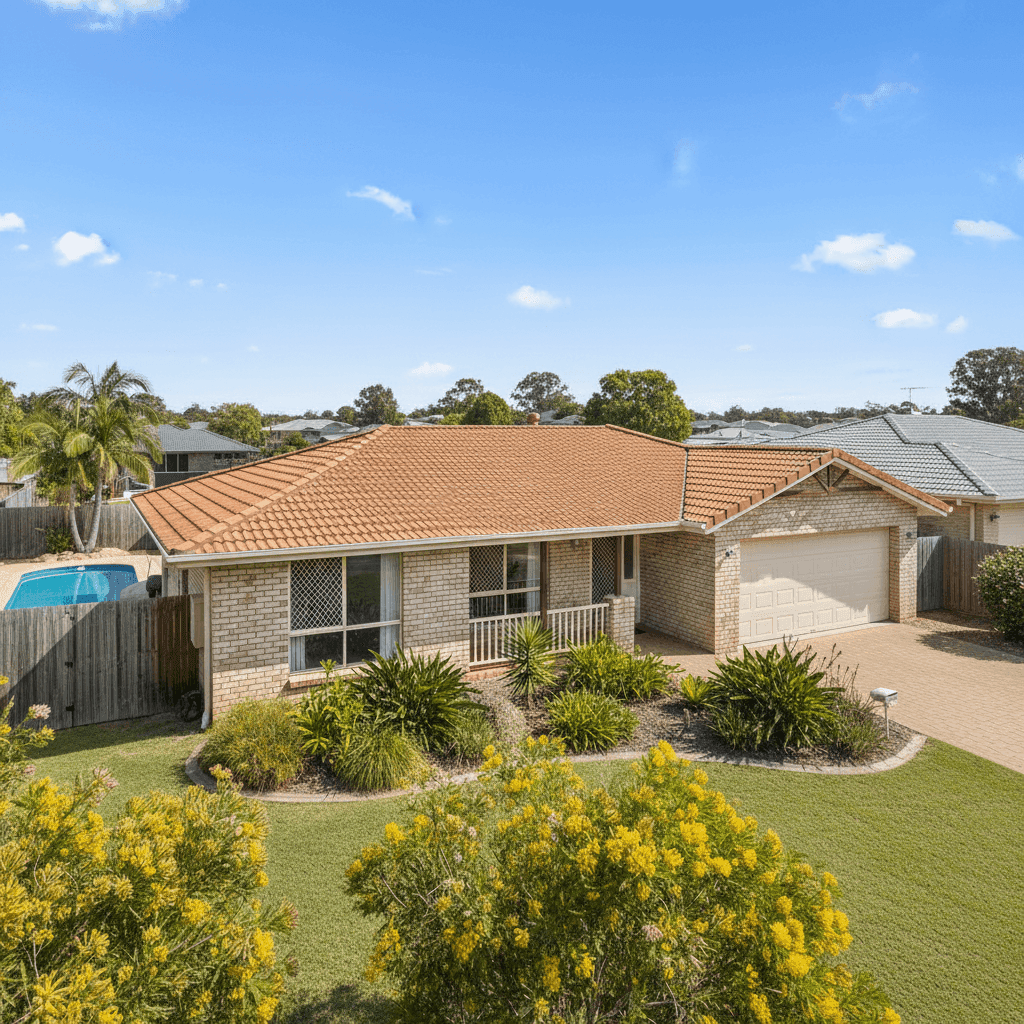
Annandale is a well-established residential suburb in Townsville, Queensland, known for its family-friendly streets and mix of classic and contemporary homes. For owners of a four-bedroom, free-standing home in this area, understanding what drives your insurance premium — and whether you're paying a fair price — is an important part of protecting one of your biggest assets. In this article, we break down a real home and contents insurance quote for a property in Annandale (postcode 4814) and put it in context against local, state, and national benchmarks.
---
Is This Quote Fair?
The quote in question comes in at $4,715 per year (or $445 per month) for combined home and contents cover, with a building sum insured of $803,000 and contents valued at $70,000. The building excess is $1,000 and the contents excess is $500.
Our price rating for this quote is FAIR — Around Average, and the data backs that up. The suburb average premium in Annandale sits at $4,955 per year, meaning this quote is tracking roughly $240 below the local average — a modest but meaningful saving. It also falls comfortably within the interquartile range for the suburb, between the 25th percentile ($3,488/yr) and the 75th percentile ($5,054/yr).
In short, this isn't a bargain-basement price, but it's not an outlier either. For a property of this size and specification in a cyclone-risk area, it represents reasonable market value.
---
How Annandale Compares
To fully appreciate this quote, it helps to zoom out and look at the broader pricing landscape. Here's how Annandale stacks up:
| Benchmark | Average Premium | Median Premium |
|---|---|---|
| Annandale (4814) | $4,955/yr | $4,253/yr |
| LGA (Townsville) | $7,340/yr | — |
| Queensland | $9,129/yr | $3,903/yr |
| National | $5,347/yr | $2,764/yr |
You can explore the full Annandale suburb insurance stats, Queensland state data, and national benchmarks on CoverClub.
A few things stand out here. The Queensland state average of $9,129/yr is extraordinarily high compared to the national average — a reflection of the elevated natural disaster risk across much of the state, particularly in cyclone-prone coastal and near-coastal regions. However, the state median of $3,903/yr tells a different story: the average is being pulled upward by a relatively small number of very high-risk properties, while many Queensland homeowners pay closer to the median.
The Townsville LGA average of $7,340/yr is significantly higher than the Annandale suburb average of $4,955/yr, suggesting that Annandale may be one of the more favourably priced pockets within the broader Townsville area. This quote, at $4,715/yr, sits below both the LGA and suburb averages — a positive sign for the policyholder.
Compared to the national average of $5,347/yr, this quote is also slightly cheaper, though the national median of $2,764/yr serves as a reminder that many Australians in lower-risk areas pay considerably less. Based on a sample of 40 quotes in the suburb, the data provides a solid foundation for comparison.
---
Property Features That Affect Your Premium
Several characteristics of this property have a direct bearing on the premium quoted. Understanding these factors can help you make informed decisions about coverage and cost.
Cyclone Risk Area This is arguably the single biggest premium driver for this property. Townsville and its surrounding suburbs sit within a designated cyclone risk zone, which significantly increases the likelihood of a major weather event causing structural damage. Insurers price this risk accordingly, and it's one of the key reasons premiums in North Queensland tend to run higher than the national median.
Brick Veneer Construction with Tiled Roof Brick veneer walls paired with a tiled roof is a common and generally well-regarded construction type. It offers reasonable resilience against wind and rain, though tiles can be vulnerable to hail and high-wind events. This combination is typically viewed more favourably by insurers than lightweight cladding or older fibrous cement materials.
Slab Foundation A concrete slab foundation is generally considered low-risk from an insurance perspective — there's no underfloor cavity to trap moisture or pests, and it tends to be structurally sound in most soil conditions.
Timber and Laminate Flooring While timber and laminate floors add aesthetic value, they can be more susceptible to water damage than tiles. In the event of a flood or plumbing leak, these materials may require full replacement, which can push up claims costs and, by extension, premiums over time.
Swimming Pool The presence of a pool adds a modest amount to the insured value of the property and may also introduce some liability considerations depending on the policy. It's worth confirming that your policy covers pool-related structures such as fencing, pumps, and filtration equipment.
Ducted Climate Control Ducted air conditioning is a significant fixed asset and should be explicitly covered under your building policy. Given the climate in Townsville, this system is essential — and replacing it after storm damage can be costly.
Building Size: 214 sqm At 214 square metres, this is a comfortably sized family home. The building sum insured of $803,000 translates to roughly $3,752 per square metre — a figure that aligns with current construction costs in Queensland when factoring in finishes, fixtures, and site-specific considerations.
---
Tips for Homeowners in Annandale
1. Review your cyclone preparedness annually Before each wet season, check that your policy explicitly covers cyclone damage and understand what your excess obligations are in a named cyclone event. Some policies apply a separate, higher excess for cyclone claims — read the Product Disclosure Statement (PDS) carefully.
2. Don't underinsure your building Construction costs have risen sharply in recent years across Queensland. If your sum insured hasn't been reviewed lately, it may no longer reflect the true cost of rebuilding. Many insurers offer a building replacement cost calculator — use it, or speak to a quantity surveyor if you're unsure.
3. Shop around at renewal time A "fair" rating means this quote is around the market average — but that also means there's a reasonable chance a competing insurer could offer a better price for equivalent cover. Use a comparison tool like CoverClub to benchmark your renewal quote before accepting it automatically.
4. Bundle thoughtfully, but verify the savings Combined home and contents policies can offer convenience and sometimes a discount, but this isn't always the case. It's worth obtaining separate quotes for building and contents to confirm that bundling genuinely delivers value for your specific situation.
---
Ready to Compare?
Whether you're reviewing your existing policy or shopping for the first time, CoverClub makes it easy to see how your quote stacks up. Enter your address and get started — it only takes a few minutes to find out if you're getting a fair deal on your home insurance.