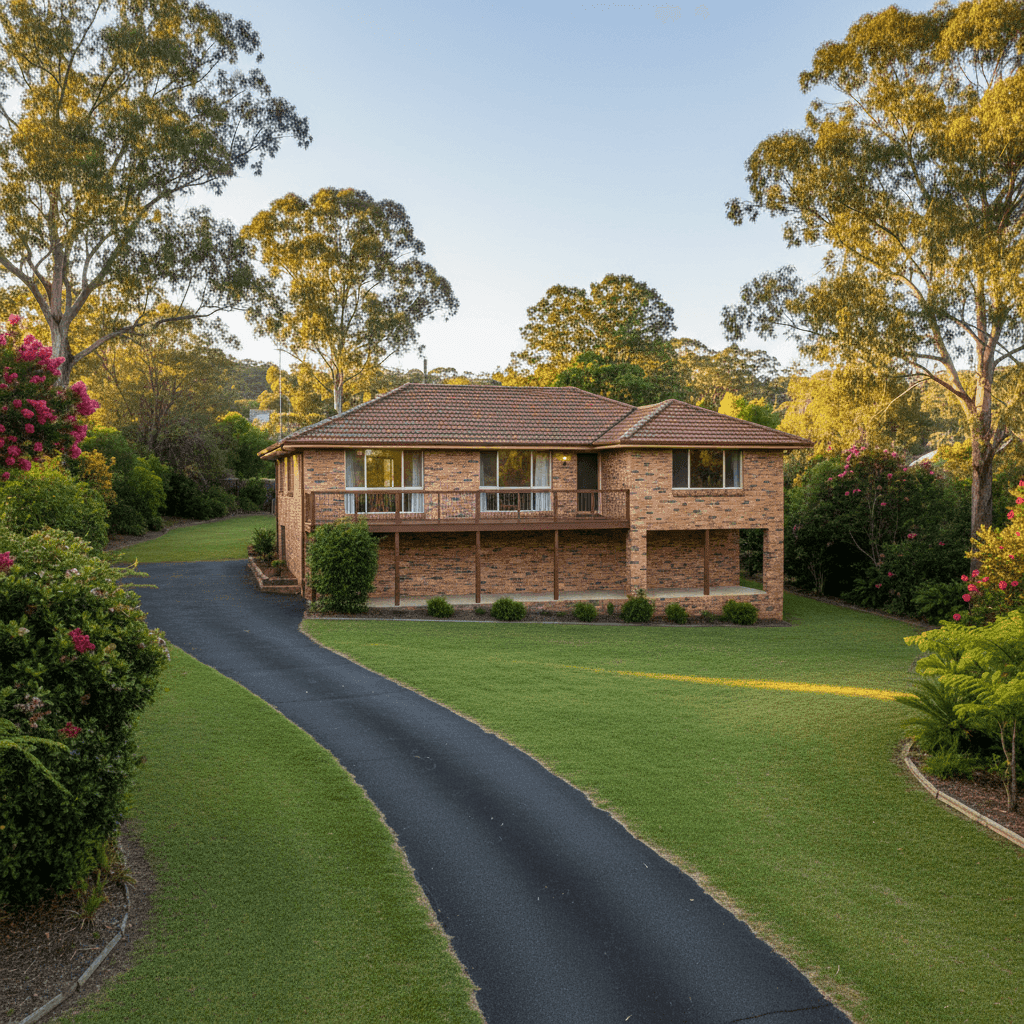
If you own a free standing home in Annangrove, NSW 2156, you're likely no stranger to the question: am I paying too much for home insurance? Nestled in the Hills District on Sydney's north-western fringe, Annangrove is a semi-rural suburb of leafy blocks, established homes, and a relaxed lifestyle — but that doesn't mean insurance is something you can afford to overlook. This article breaks down a real home and contents insurance quote for a four-bedroom, three-bathroom brick veneer property in the area, comparing it against suburb, state, and national benchmarks to help you understand whether it represents good value.
---
Is This Quote Fair?
The quote in question comes in at $4,328 per year (or $434/month) for combined home and contents cover, with a building sum insured of $1,439,000 and contents valued at $50,000. The building excess sits at $5,000 and the contents excess at $2,000.
Our pricing analysis rates this quote as CHEAP — below average for the area. That's a meaningful finding. When a quote lands below the suburb's 25th percentile of $6,001/yr, it suggests the policyholder is accessing genuinely competitive pricing, not just marginally better than the norm.
To put it plainly: this quote is $2,514 per year less than the suburb average of $6,842 — a saving of roughly 37%. For most households, that's a significant sum that could go toward maintenance, renovations, or simply staying ahead of the cost of living.
Of course, price alone doesn't tell the whole story. Cover quality, policy exclusions, and insurer reputation all matter. But as a starting point, this quote is well worth taking seriously.
---
How Annangrove Compares
Understanding where your premium sits relative to broader benchmarks gives important context. Here's how Annangrove stacks up:
| Benchmark | Premium |
|---|---|
| This Quote | $4,328/yr |
| Annangrove Suburb Average | $6,842/yr |
| Annangrove Suburb Median | $6,600/yr |
| Annangrove 25th Percentile | $6,001/yr |
| Hornsby LGA Average | $3,958/yr |
| NSW State Average | $9,528/yr |
| NSW State Median | $3,770/yr |
| National Average | $5,347/yr |
| National Median | $2,764/yr |
A few things stand out here. First, the NSW state average of $9,528/yr is extraordinarily high compared to the state median of $3,770/yr — a sign that a relatively small number of very expensive properties or high-risk locations are pulling the average upward. This is worth keeping in mind when using averages as a benchmark.
Second, the Annangrove suburb average of $6,842/yr is notably higher than the Hornsby LGA average of $3,958/yr, suggesting that homes within Annangrove itself — perhaps due to higher rebuild values or specific risk factors — attract steeper premiums than the broader council area.
Finally, compared to the national average of $5,347/yr, this quote still comes in below average, reinforcing the "cheap" rating. It's worth noting the sample size for Annangrove is 11 quotes, so while directionally useful, the suburb data should be interpreted with some caution.
---
Property Features That Affect Your Premium
Several characteristics of this property influence how insurers price the risk. Here's what's most relevant:
Brick Veneer Construction & Tiled Roof Brick veneer walls paired with a tiled roof are a common and generally well-regarded combination in Australian home insurance. Both materials are considered relatively durable and fire-resistant, which tends to work in a homeowner's favour at premium time. Compared to timber weatherboard or Colorbond alternatives, this construction profile typically attracts moderate rather than elevated pricing.
Elevated on Stumps The property sits elevated by at least one metre on a stump foundation — a construction style common in older Australian homes, particularly those built in the post-war era. This elevation can be a double-edged sword: it may reduce flood risk to the ground floor, but stumps require periodic inspection and maintenance. Insurers will factor in the age of the home (built in 1972) alongside this foundation type when assessing structural risk.
Year of Construction: 1972 At over 50 years old, this home is well into the category where insurers pay close attention to building condition. Older homes can carry higher rebuild complexity and may have ageing electrical, plumbing, or roofing systems. That said, a 286 sqm home of this era in good condition with a high sum insured ($1,439,000) reflects a substantial asset — and appropriate coverage is essential.
Ducted Climate Control The presence of ducted climate control adds to the replacement value of the home's fixtures and fittings. This is reflected in the building sum insured and is a legitimate reason for a higher coverage amount.
No Pool, No Solar Panels The absence of a pool and solar panels simplifies the risk profile slightly. Both features can add complexity to claims (pool liability, panel fire risk) and their absence may contribute to a more straightforward — and potentially cheaper — policy.
Contents: $50,000 The contents sum of $50,000 is on the modest side for a four-bedroom, three-bathroom home of this size. Homeowners should periodically review whether their contents cover adequately reflects the replacement value of furniture, electronics, appliances, clothing, and personal items.
---
Tips for Homeowners in Annangrove
1. Review your contents sum insured annually A $50,000 contents limit may not stretch far in a larger home. Take stock of your belongings — particularly high-value items like jewellery, artwork, or electronics — and ensure your policy reflects their true replacement cost. Underinsurance is one of the most common and costly mistakes Australian homeowners make.
2. Get the building sum insured right With a building sum insured of $1,439,000, this property is well covered — but it's worth verifying this figure reflects current rebuild costs, not just market value. Construction costs have risen sharply in recent years, and what was adequate two years ago may leave you underinsured today. Use a quantity surveyor or your insurer's building calculator to sense-check the figure.
3. Maintain your stump foundation Homes on stumps require regular inspection to ensure the foundation remains structurally sound. Rotting or deteriorating stumps can affect insurability and may not be covered if neglect is evident. Budget for periodic professional inspections, particularly given the property's age.
4. Compare quotes at renewal — every year The fact that this quote is well below the suburb average demonstrates that significant price variation exists in the market. Don't assume your renewal premium is competitive just because it was reasonable last year. Insurers adjust their pricing models constantly, and loyalty doesn't always pay. Use a comparison tool to benchmark your renewal against the market before you sign on for another year.
---
Ready to Compare Your Own Quote?
Whether you're a first-time buyer or a long-time Annangrove resident, it pays to know where your premium stands. CoverClub makes it easy to compare home and contents insurance quotes from multiple insurers in minutes. Get a quote today and see how your current policy stacks up — you might be surprised by how much you could save.