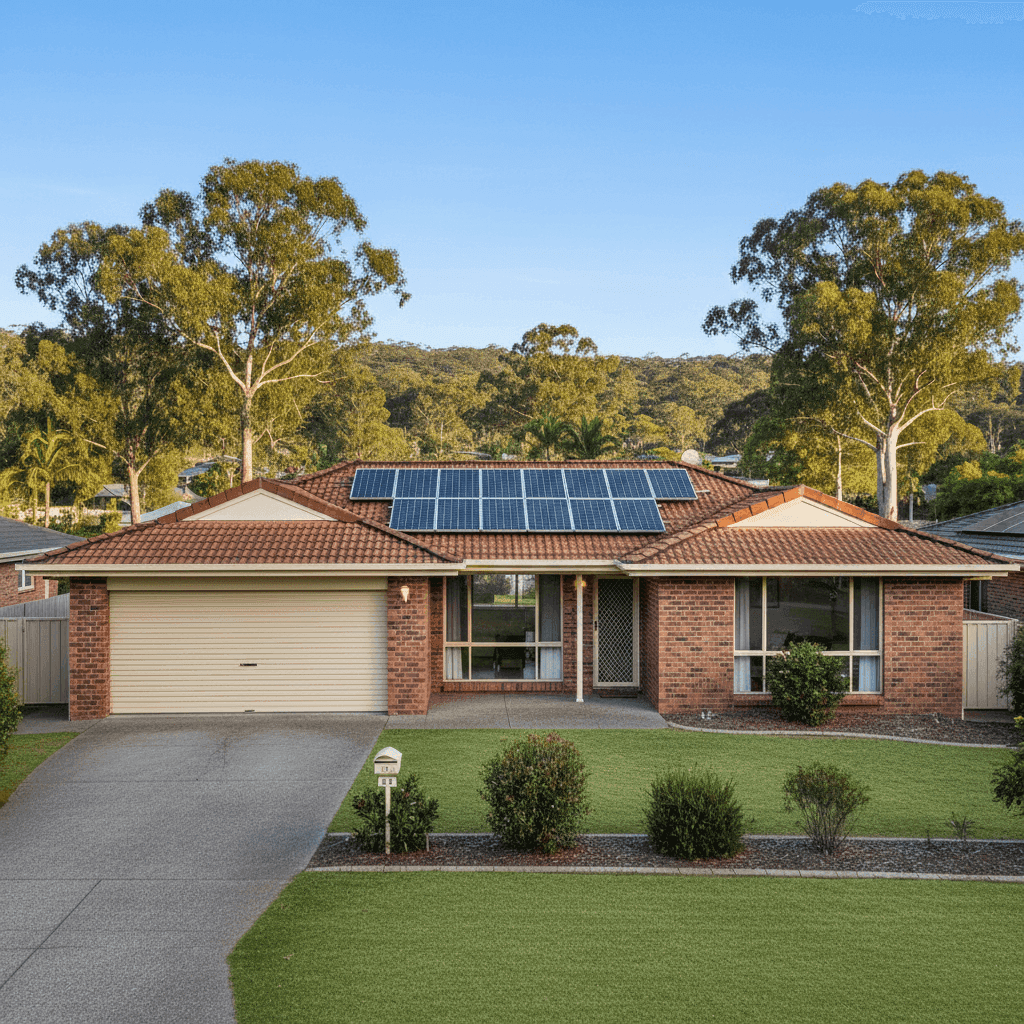
Arana Hills is a quiet, well-established suburb in Brisbane's north-western corridor, popular with families drawn to its leafy streets, good schools, and easy freeway access. If you own a free standing home here, you're in a relatively stable insurance market — and as the quote we're analysing today shows, that can translate into some genuinely competitive premiums.
This article breaks down a real home and contents insurance quote for a four-bedroom, two-bathroom brick veneer home in Arana Hills (postcode 4054), built in 1998. We'll assess whether the price stacks up, how it compares to Queensland and national benchmarks, and what property features are likely driving the cost.
---
Is This Quote Fair?
The annual premium on this quote comes in at $1,439 per year (or $138 per month), covering a building sum insured of $667,000 and contents valued at $201,000. Our pricing engine has rated this quote as CHEAP — below average — which is a strong result for any homeowner.
To put that in perspective: the Queensland state average for home and contents insurance sits at $4,547 per year, with a median of $3,931. At the national level, the average is $2,965 and the median is $2,716. This quote comes in at less than half the national average — a significant saving.
For a property with a building sum insured of $667,000, a sub-$1,500 annual premium is genuinely impressive. Even accounting for the $2,000 building excess and $600 contents excess, the overall value proposition here is strong. The higher building excess is a reasonable trade-off for keeping premiums low, provided the homeowner has the financial buffer to cover it in the event of a claim.
---
How Arana Hills Compares
While suburb-level data for Arana Hills isn't available in our current dataset, we can draw meaningful comparisons using broader benchmarks.
| Benchmark | Annual Premium |
|---|---|
| This Quote | $1,439 |
| Brisbane LGA Average | $4,485 |
| QLD State Average | $4,547 |
| QLD State Median | $3,931 |
| National Average | $2,965 |
| National Median | $2,716 |
The Brisbane LGA average of $4,485 is particularly telling — it suggests that many Brisbane homeowners are paying three times what this quote offers for comparable cover. Arana Hills, sitting in the outer north-west of the city, likely benefits from lower flood risk exposure compared to inner-Brisbane suburbs along the river corridor, which can dramatically inflate premiums across the LGA.
You can explore more suburb and state-level data on the Arana Hills stats page or browse Queensland-wide insurance trends.
---
Property Features That Affect Your Premium
Several characteristics of this property work in the homeowner's favour from an insurance pricing perspective.
Brick Veneer Construction Brick veneer is one of the most common — and insurer-friendly — wall materials in Australian suburbia. It offers solid fire resistance and structural durability, which tends to attract more competitive premiums compared to timber-framed or clad homes.
Tiled Roof A concrete or terracotta tile roof is viewed favourably by insurers. Tiles are durable, fire-resistant, and long-lasting, particularly on a home built in 1998 that would still be within a reasonable service life for the roofing material.
Slab Foundation A concrete slab foundation is considered low-risk from an insurer's perspective. It's less susceptible to termite damage and subsidence issues compared to older raised timber stumps, which can be a concern in some Queensland homes.
No Cyclone Risk Zone Arana Hills falls outside Queensland's designated cyclone risk areas, which is a meaningful premium advantage. Properties in Far North Queensland or coastal cyclone zones can attract significant loading on their premiums — sometimes thousands of dollars more per year.
Solar Panels The property has solar panels installed, which are typically covered under the building sum insured. It's worth confirming with the insurer that the panels are explicitly included in the policy, particularly for damage from storms or hail. Given Queensland's storm season, this is a detail worth checking.
Ducted Climate Control Ducted air conditioning is a fixed building feature and is generally included in the building sum insured. As a higher-value item, it's worth ensuring the $667,000 building sum is sufficient to cover full replacement including systems like this.
Timber and Laminate Flooring This flooring type can be more costly to replace than tiles or carpet, which may be partially reflected in the contents or building valuation. Homeowners should review whether floor coverings are captured under building or contents in their specific policy wording.
---
Tips for Homeowners in Arana Hills
1. Review Your Building Sum Insured Regularly Construction costs have risen sharply across Australia in recent years. A 214 sqm home with standard fittings in Brisbane's north-west should be reassessed annually to ensure the $667,000 sum insured still reflects full replacement cost — not just market value.
2. Confirm Solar Panel Coverage Solar panels are a valuable asset and a potential target for storm or hail damage. Ask your insurer specifically whether panels are covered, up to what value, and whether accidental damage is included. Don't assume — check the Product Disclosure Statement (PDS).
3. Don't Over-Insure Contents, But Don't Under-Insure Either $201,000 in contents cover is a reasonable figure for a four-bedroom home. Do a periodic home inventory — especially after major purchases — to make sure your contents sum is accurate. Over-insuring wastes money; under-insuring can leave you out of pocket after a claim.
4. Consider the Excess Trade-Off This policy carries a $2,000 building excess, which is on the higher end. If you have the savings to absorb that cost in an emergency, it's a smart way to keep premiums low. If not, it may be worth requesting a quote with a lower excess to compare the premium difference.
---
Compare Your Options with CoverClub
Whether you're renewing your policy or shopping for the first time, it pays to compare. This quote shows that significant savings are possible — but the right cover depends on your specific property, risk profile, and what's included in the fine print.
Get a home insurance quote at CoverClub and see how your premium compares to the state and national averages. It takes just a few minutes, and you might be surprised by what you find.