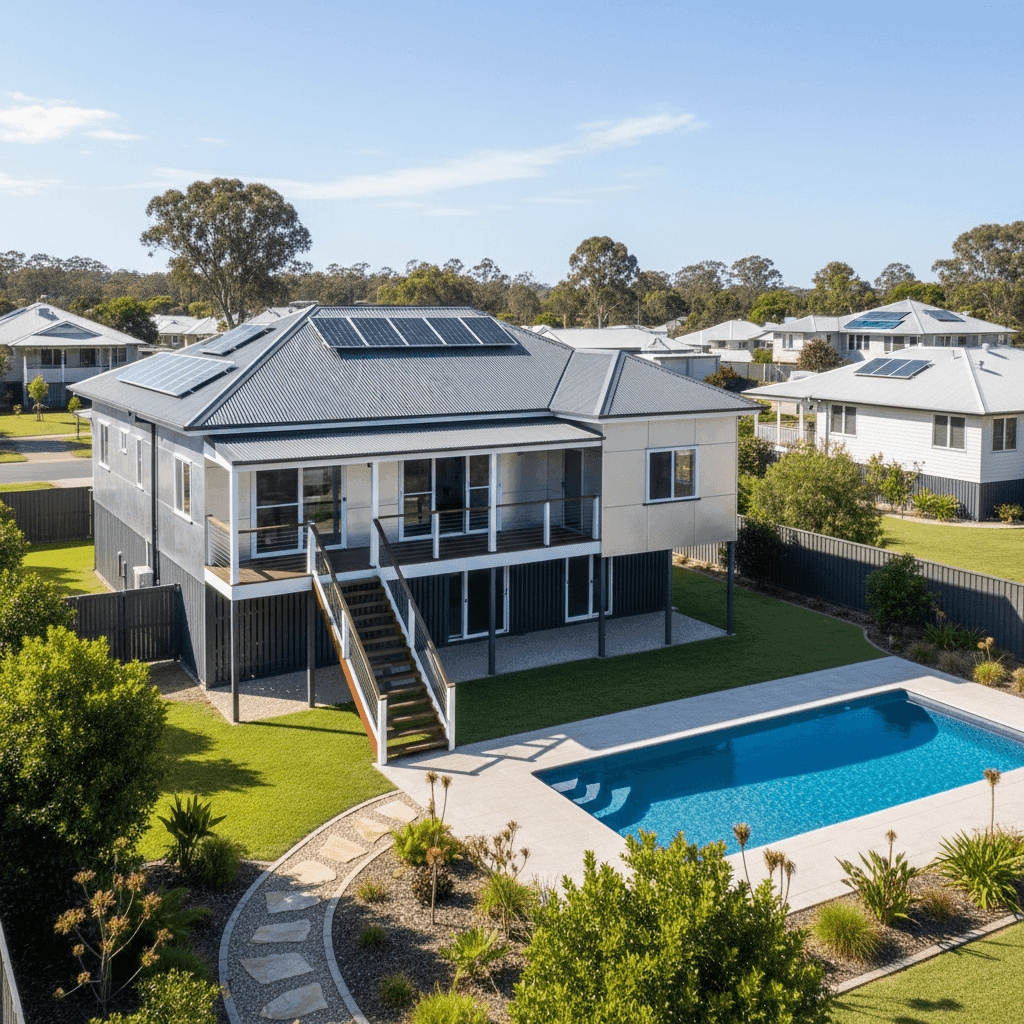
If you own a free standing home in Argyle, WA 6239, you already know this corner of the South West is a relaxed, semi-rural pocket with plenty of character. But when it comes to home insurance, character doesn't come cheap — especially when your property ticks a number of boxes that insurers pay close attention to. This article breaks down a real home and contents insurance quote for a three-bedroom, two-bathroom free standing home in Argyle, examines how it stacks up against local and national benchmarks, and offers practical tips to help you manage your premium.
---
Is This Quote Fair?
The quote in question comes in at $17,071 per year (or $1,671/month), covering a building sum insured of $993,000 and contents valued at $175,000. The building excess is $2,000 and the contents excess is $1,000.
To put it plainly: this quote is rated Expensive — above average for the area.
The suburb average annual premium for Argyle sits at just $1,981, and the median is $2,003. Even the 75th percentile — meaning three-quarters of comparable quotes come in below this figure — is only $2,289 per year. This quote is more than seven times the suburb's 75th percentile, which is a significant gap that deserves scrutiny.
That said, it's important to understand why this figure is so elevated before assuming something has gone wrong. The sum insured of $993,000 for the building alone is substantially higher than what most homes in this suburb are insured for. A higher replacement value means a higher premium — that's a fundamental principle of home insurance. If your home would genuinely cost close to a million dollars to rebuild from scratch (including labour, materials, and professional fees), then the premium needs to reflect that exposure.
Still, it's always worth comparing multiple insurers to ensure you're not overpaying for the same level of cover. See how other Argyle homeowners are insured at CoverClub's suburb stats page.
---
How Argyle Compares
Understanding where Argyle sits in the broader insurance landscape helps put this quote in context.
| Benchmark | Average Premium | Median Premium |
|---|---|---|
| Argyle (WA 6239) | $1,981/yr | $2,003/yr |
| LGA (Donnybrook-Balingup) | $2,924/yr | — |
| Western Australia | $2,144/yr | $1,944/yr |
| National | $2,965/yr | $2,716/yr |
A few things stand out here. Argyle's average and median premiums are actually below both the state and national averages, suggesting the suburb is generally considered a relatively lower-risk area by insurers. The LGA average of $2,924 is notably higher than the suburb average, which may reflect higher-risk properties elsewhere in the Donnybrook-Balingup region pulling that figure up.
On a state level, Western Australia's average premium of $2,144 is modest compared to states like Queensland or New South Wales, where natural hazard risks tend to drive costs higher. Nationally, the average sits at $2,965, reflecting the wide variation in risk profiles across the country.
The key takeaway: for a standard home in Argyle, insurance is relatively affordable. However, the property features of this particular home push it well beyond the typical profile.
---
Property Features That Affect Your Premium
Several characteristics of this property have a meaningful impact on what insurers charge. Here's what's at play:
High Building Sum Insured
At $993,000, the building sum insured is the single biggest driver of this premium. Rebuild costs have surged in recent years due to rising labour and material prices, and a home of this size (139 sqm) with quality finishes can absolutely reach this figure — but it's worth verifying with a quantity surveyor that this estimate is accurate. Over-insuring is as costly as under-insuring.
Elevated Foundation
This home is elevated by at least one metre, which can cut both ways with insurers. On the positive side, elevation can reduce flood risk. However, elevated structures may attract higher premiums due to increased complexity in repairs and potential wind exposure. Some insurers treat elevated homes similarly to Queenslander-style properties.
Aluminium External Walls
Aluminium cladding is generally viewed favourably by insurers from a fire-resistance standpoint, but it can be more expensive to repair or replace compared to brick veneer. This may contribute marginally to a higher premium.
Steel/Colorbond Roof
Colorbond roofing is durable, low-maintenance, and widely used across regional WA. Insurers generally consider it a neutral-to-positive factor, though replacement costs for metal roofing can be higher than tiles in some markets.
Swimming Pool
A pool adds both value and liability to a property. Insurers factor in the cost of pool repairs (e.g., damage to the pool structure, pumps, and surrounds) as well as any public liability considerations.
Solar Panels
Solar panels are increasingly common on Australian homes, but they add to the cost of reinstatement. If the panels are included in the building sum insured, they contribute to the overall replacement cost calculation.
Timber/Laminate Flooring
Timber and laminate floors are more susceptible to water damage than tiles, which can influence claims costs and, by extension, premiums.
Slab Foundation
A concrete slab is one of the more straightforward foundation types for insurers to assess — generally considered stable and lower risk than pier-and-beam or older foundations.
---
Tips for Homeowners in Argyle
1. Verify Your Sum Insured with a Professional
The most impactful thing you can do is confirm that your building sum insured accurately reflects your home's rebuild cost — not its market value. A quantity surveyor or a reputable online calculator can help you land on the right figure. Being over-insured by hundreds of thousands of dollars means you're paying a premium you don't need to.
2. Compare Quotes Across Multiple Insurers
No two insurers price risk the same way. One provider might penalise elevated homes more heavily than another, or have a different view on aluminium cladding. Using a comparison platform like CoverClub lets you see multiple quotes side by side without the legwork.
3. Review Your Excess Settings
This policy carries a $2,000 building excess and a $1,000 contents excess. Opting for a higher excess — say, $2,500 or $5,000 — can meaningfully reduce your annual premium. Just make sure you'd be comfortable covering that amount out of pocket in the event of a claim.
4. Ask About Bundling Discounts
Some insurers offer discounts when you bundle home and contents insurance together under one policy, which this quote already does. If you also hold car insurance or other products with the same provider, it's worth asking whether a multi-policy discount applies.
---
Ready to Find a Better Deal?
Whether this quote reflects fair value for your specific property or there's room to save, the smartest move is to compare. CoverClub makes it easy to benchmark your premium against real data from homes in Argyle and across Western Australia. Get a home and contents quote today and see what the market actually looks like for a home like yours.