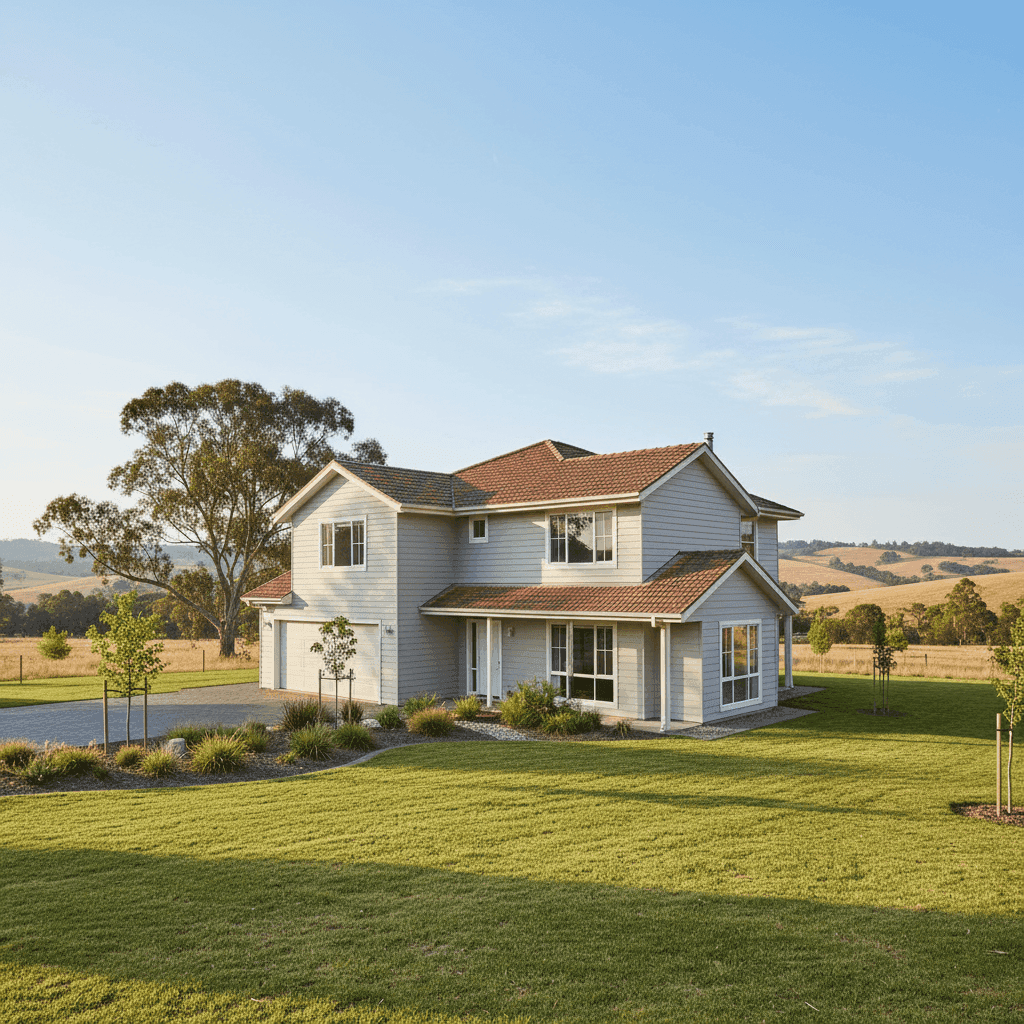
If you own a free standing home in Arkell, NSW 2795, you're likely curious about what a fair home and contents insurance premium looks like — and whether the quote sitting in your inbox is actually worth accepting. In this article, we break down a real insurance quote for a four-bedroom, four-bathroom property in Arkell, comparing it against local, state, and national benchmarks so you can make a more informed decision.
---
Is This Quote Fair?
The annual premium for this property came in at $4,996 per year (or $472 per month), covering both building and contents. Our price rating for this quote is CHEAP — below average — which is genuinely good news for the homeowner.
To put that in perspective:
- The NSW state average premium sits at $9,528 per year
- The national average is $5,347 per year
- The NSW state median is $3,770 per year
- The national median is $2,764 per year
At $4,996, this quote comes in well below the NSW average and is also slightly under the national average. While it sits above the state and national medians, it's important to remember that medians can be skewed by a large volume of smaller, lower-value properties. For a 268 sqm home with a building sum insured of $850,000 and contents cover of $65,000, this premium represents strong value.
In short: yes, this quote appears fair — and then some.
---
How Arkell Compares
Arkell is a small locality within the Cabonne Local Government Area in the Central West of NSW. While suburb-level data isn't available for this postcode, the Cabonne LGA average premium of $3,163 per year gives us a useful local reference point.
This quote exceeds the LGA average, but that's largely explained by the higher-than-typical sum insured ($850,000 for the building alone) and the generous contents cover included in the policy. Homes with greater rebuild values and more contents naturally attract higher premiums — that's simply how risk-based pricing works.
For a broader picture, you can explore:
- Arkell & NSW 2795 insurance statistics
- NSW state-wide home insurance data
- National home insurance averages
When you factor in the property's size, age, and the level of cover provided, the premium holds up well against every benchmark available.
---
Property Features That Affect Your Premium
Every home is different, and insurers price premiums based on a detailed picture of the property. Here's how the specific features of this Arkell home are likely influencing the cost:
Hardiplank / Hardiflex External Walls
Fibre cement cladding such as Hardiplank and Hardiflex is generally viewed favourably by insurers. It's durable, fire-resistant, and less susceptible to rot than timber weatherboards. This material choice can contribute to a more competitive premium compared to older or higher-risk wall types.
Tiled Roof
Terracotta or concrete tile roofs are considered a standard, reliable roofing material in Australia. They offer good longevity and weather resistance, which insurers tend to reward with more moderate pricing — particularly compared to older materials like corrugated iron or asbestos cement sheeting.
Stump Foundation
The property sits on stumps, which is common for homes of this era (built in 1980) across regional NSW. Stumped foundations can be a mild risk factor for some insurers — primarily due to the potential for subfloor moisture, pest activity, or movement over time. It's worth ensuring your policy covers damage related to the subfloor structure.
Timber and Laminate Flooring
Timber and laminate floors are a standard feature in many Australian homes. They don't significantly elevate risk, though they can be more expensive to replace than carpet, which may be reflected in the contents or building sum insured.
Ducted Climate Control
The inclusion of ducted air conditioning is a meaningful addition to the building's value. These systems are costly to repair or replace and are typically captured within the building sum insured — making an accurate sum insured all the more important.
Construction Year: 1980
A home built in 1980 is over four decades old. While well-maintained older homes can be perfectly insurable, insurers may factor in the age of key systems such as electrical wiring, plumbing, and roofing. Keeping up with maintenance and upgrades can help avoid complications at claim time.
No Pool, No Solar Panels
The absence of a swimming pool removes a common liability risk factor, and the lack of solar panels simplifies the building's electrical profile. Both of these can contribute to a cleaner, more straightforward risk assessment.
---
Tips for Homeowners in Arkell
Whether you're reviewing an existing policy or shopping around for the first time, here are four practical steps to make sure you're getting the best deal:
- Review your sum insured annually. Building costs in regional NSW have risen significantly in recent years. A sum insured that was accurate in 2020 may no longer cover the full cost of rebuilding your home today. Use a building cost calculator or speak with a local builder to sense-check your figure.
- Maintain your stumped foundation. Homes on stumps require periodic inspection to check for pest damage, rot, or movement. Proactively addressing subfloor issues not only protects the structural integrity of your home but also ensures you won't face claim complications down the track.
- Bundle building and contents cover. As demonstrated by this quote, combining building and contents insurance under a single policy often delivers better value than purchasing them separately. It also simplifies the claims process if both are damaged in the same event.
- Compare quotes before renewing. Insurers don't always reward loyalty with competitive pricing. It's worth running a fresh comparison each year — particularly if your property has changed, you've made renovations, or your contents value has shifted. Get a new quote at CoverClub to see what's available in your area.
---
Ready to Compare Home Insurance in Arkell?
Whether this quote is your starting point or you're looking for something better, CoverClub makes it easy to compare home and contents insurance options tailored to your property. Our platform pulls real data so you can see how your premium stacks up — not just against a national average, but against homes like yours.
Start comparing quotes now at CoverClub and make sure your Arkell home is properly protected at a price that makes sense.