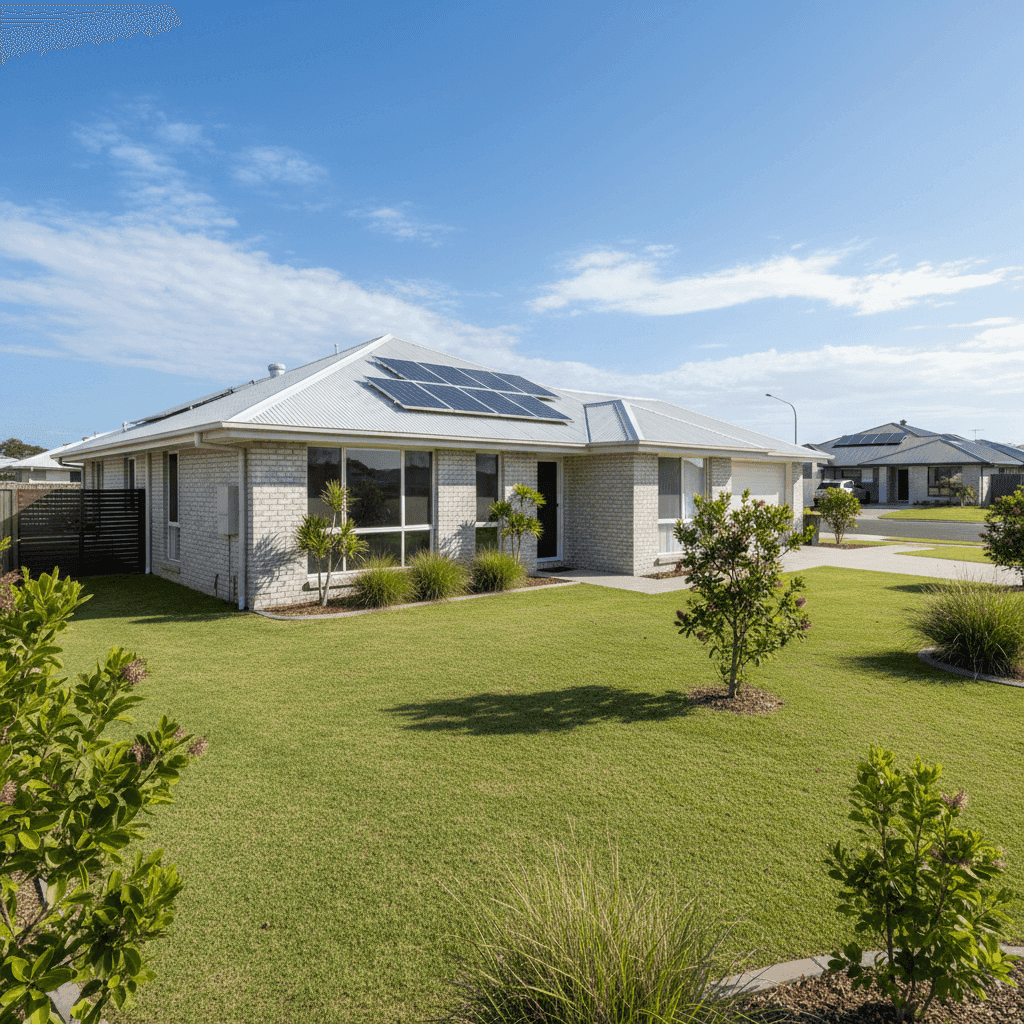
If you own a free standing home in Armstrong Beach, QLD 4737, you already know that location comes with its own unique set of considerations — from the laid-back coastal lifestyle to the very real risks that come with living in tropical Queensland. One of the most important financial decisions you'll make as a homeowner here is getting the right level of insurance cover. This article breaks down a real home and contents insurance quote for a four-bedroom property in Armstrong Beach, benchmarks it against local, state, and national data, and offers practical guidance to help you make the most informed decision possible.
---
Is This Quote Fair?
The annual premium for this quote comes in at $4,249 per year (or $412/month) for a combined home and contents policy, covering a building sum insured of $892,000 and contents valued at $80,000. Both the building and contents excess are set at $1,000.
Our pricing engine has rated this quote as CHEAP — below average for the area. That's genuinely good news for the homeowner, and it's worth unpacking why.
When you consider that Queensland as a whole carries a state average premium of $9,129 per year — one of the highest in the country — a quote of $4,249 represents a saving of nearly $5,000 annually compared to the average QLD policyholder. Even measured against the Queensland state median of $3,903, this quote sits only modestly above the midpoint, which is a strong outcome given the property's size, sum insured, and location in a designated cyclone risk zone.
At the national level, the average home insurance premium sits at $5,347/year, with a national median of $2,764/year. So while this quote is above the national median, it's well below the national average — a meaningful distinction when you factor in the elevated risk profile of coastal Queensland properties.
In short: for a 214 sqm, four-bedroom home in a cyclone-prone coastal area with a high building sum insured, this is a competitive result.
---
How Armstrong Beach Compares
Armstrong Beach sits within the Isaac local government area (LGA), where the average home insurance premium is $3,567 per year. This quote of $4,249 is above the LGA average, but that's largely explained by the property's size and the substantial building sum insured of $892,000 — both of which push premiums higher regardless of location.
There is no suburb-level data available specifically for Armstrong Beach at this stage, but you can keep an eye on the Armstrong Beach stats page as more data becomes available. In the meantime, the Isaac LGA and Queensland state figures give a solid frame of reference.
Here's a quick snapshot of how this quote compares across different benchmarks:
| Benchmark | Premium |
|---|---|
| This Quote | $4,249/yr |
| Isaac LGA Average | $3,567/yr |
| QLD State Median | $3,903/yr |
| QLD State Average | $9,129/yr |
| National Median | $2,764/yr |
| National Average | $5,347/yr |
The wide gap between the QLD average and median tells an important story: a relatively small number of very high-risk properties (think flood-prone or extreme cyclone exposure areas) are pulling the state average up significantly. For most homeowners in coastal Queensland, the median is the more relevant reference point — and this quote compares well against it.
---
Property Features That Affect Your Premium
Several characteristics of this property have a direct bearing on what insurers charge. Understanding them helps you see why your premium lands where it does.
Cyclone Risk Zone Armstrong Beach is located in a designated cyclone risk area, which is arguably the single biggest factor influencing premiums in this region. Insurers price in the potential for wind and storm damage, and in some cases apply specific cyclone excesses on top of standard policy excesses. It's critical to read your Product Disclosure Statement (PDS) carefully to understand exactly what's covered and what conditions apply during a named cyclone event.
Brick Veneer Walls & Colorbond Roof This property's brick veneer construction and steel Colorbond roof are generally viewed favourably by insurers. Brick veneer offers solid structural integrity, and Colorbond roofing is well-regarded for its durability and resistance to corrosion — both relevant in a coastal, high-humidity environment. These materials typically attract lower premiums than timber-framed homes with tile roofs, which can be more vulnerable to cyclone damage.
Slab Foundation & Tiled Flooring A concrete slab foundation is considered low-risk from a structural standpoint and is common in Queensland's coastal builds. Combined with tiled flooring throughout, this reduces the risk of water damage claims compared to homes with timber subfloors or carpet — another factor that can work in the homeowner's favour at claims time.
Solar Panels The property includes solar panels, which need to be specifically covered under your policy. Many standard home insurance policies include solar panels as part of the building cover, but it's worth confirming this with your insurer. Panels can be damaged by hail, cyclonic winds, or falling debris, so making sure they're listed and adequately covered is essential.
Ducted Climate Control Ducted air conditioning is a significant fixed asset and typically forms part of the building sum insured. At $892,000, the building cover here appears comprehensive, but it's worth confirming that the ducted system is explicitly included in your policy's definition of "building" rather than "contents."
Standard Fittings With standard-quality fittings throughout, this property avoids the premium uplift that often comes with high-end or custom finishes. That said, "standard" doesn't mean underinsured — the $892,000 sum insured for a 214 sqm home reflects realistic rebuild costs in today's construction environment.
---
Tips for Homeowners in Armstrong Beach
1. Review your cyclone-specific policy conditions annually Cyclone cover conditions can vary significantly between insurers. Some policies impose a 72-hour waiting period before a named cyclone, meaning cover won't apply if you purchase or renew a policy after a storm has already been named. Review your PDS each year and don't leave renewal to the last minute heading into cyclone season (November to April).
2. Get a professional building sum insured assessment Rebuild costs have risen sharply across Australia in recent years due to labour shortages and materials inflation. A 214 sqm home in regional Queensland can cost significantly more to rebuild today than it would have even three years ago. Consider engaging a quantity surveyor or using an insurer-approved calculator to validate your $892,000 sum insured and avoid being underinsured at claim time.
3. Confirm solar panel and ducted AC coverage explicitly Don't assume these assets are automatically covered. Ask your insurer directly whether solar panels and ducted climate control systems are included under building cover, and whether there are any sub-limits that apply. Get the answer in writing or find it clearly stated in your PDS.
4. Compare quotes at renewal — not just at purchase The insurance market is competitive and premiums can shift significantly from year to year. Even if you're happy with your current insurer, it pays to compare quotes annually. A "cheap" rating today doesn't guarantee the same result next year. Use CoverClub's quote comparison tool to benchmark your renewal offer against the market before you commit.
---
Find the Right Cover for Your Home
Whether you're a long-time Armstrong Beach local or new to the area, getting the right home and contents insurance is one of the smartest financial moves you can make. This quote is a strong starting point — rated cheap relative to the state average — but the best policy isn't always the cheapest one. It's the one that covers what matters most to you, at a price that makes sense.
Compare home insurance quotes for your Armstrong Beach property at [CoverClub](https://coverclub.com.au/?focus=address) and see how your current cover stacks up against the market in seconds.