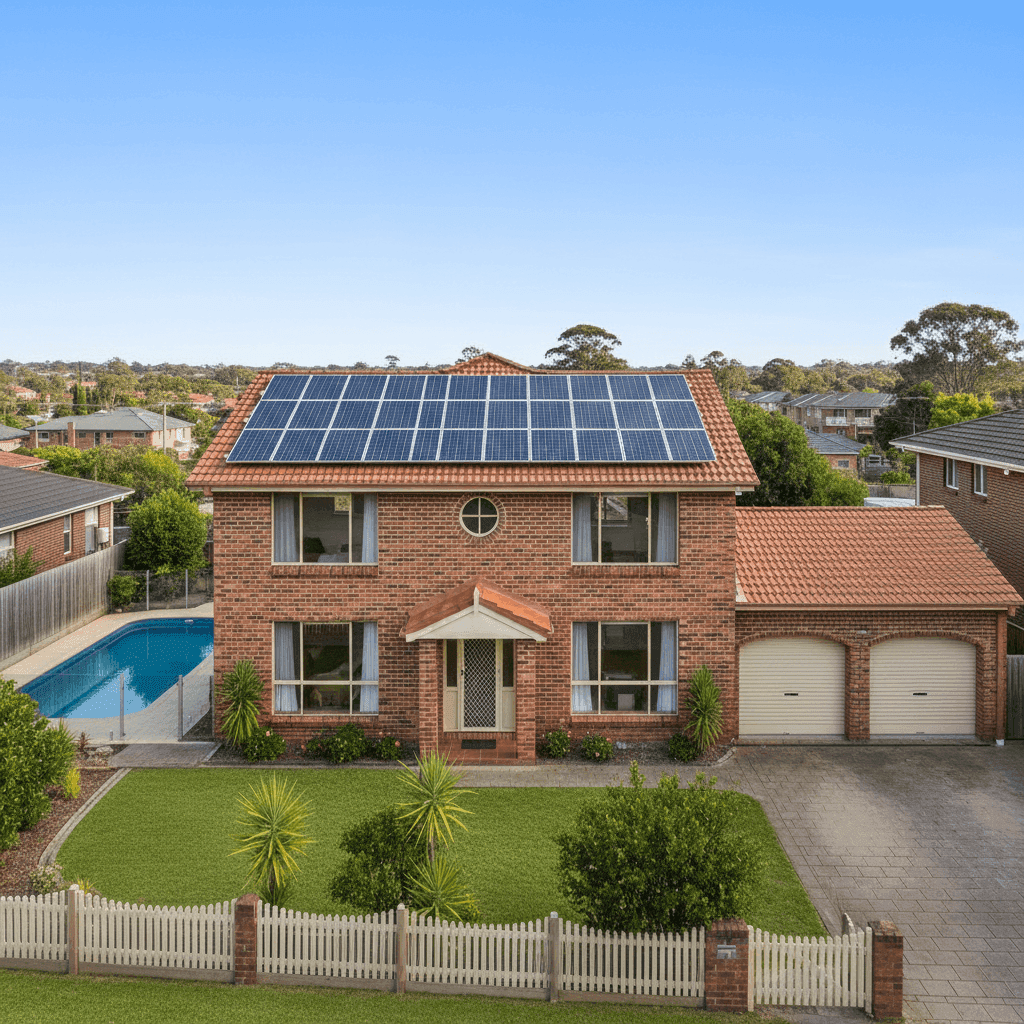
Arncliffe is a well-established suburb in Sydney's inner south, sitting within the Bayside local government area and just 10 kilometres from the CBD. It's a neighbourhood defined by solid, older-style homes — many of them substantial family properties on generous blocks. This analysis looks at a home and contents insurance quote for a five-bedroom, four-bathroom free standing home in Arncliffe (NSW 2205), breaking down what the premium reflects, how it compares to the broader market, and what homeowners in the area can do to get the best value cover.
---
Is This Quote Fair?
The annual premium for this property came in at $1,996 per year (or around $200 per month), covering both building and contents. The building is insured for $1,175,623 and contents for $292,572 — a combined cover package that represents significant protection for a large family home.
CoverClub's pricing engine has rated this quote as FAIR — Around Average, and the data backs that up. The quote sits comfortably below the Arncliffe suburb average of $2,286/yr and also under the suburb median of $2,172/yr. That's a meaningful saving compared to what many comparable households in the postcode are paying.
When stacked against broader benchmarks, the value becomes even clearer. The NSW state average premium sits at $3,801/yr, and the national average is $2,965/yr — both significantly higher than this quote. In that context, $1,996/yr for a five-bedroom home with a pool and solar panels is genuinely competitive.
That said, "fair" doesn't necessarily mean "the best available." The suburb's 25th percentile sits at $1,344/yr, which means roughly a quarter of comparable properties in Arncliffe are being quoted at considerably less. It's worth exploring whether adjustments to your cover, excess levels, or insurer choice could push your premium into that lower bracket.
---
How Arncliffe Compares
Understanding where your premium sits relative to local and national data is one of the most useful tools for evaluating an insurance quote. Here's a snapshot of how Arncliffe's insurance market compares:
| Benchmark | Premium |
|---|---|
| This Quote | $1,996/yr |
| Arncliffe Suburb Average | $2,286/yr |
| Arncliffe Suburb Median | $2,172/yr |
| Arncliffe 25th Percentile | $1,344/yr |
| Arncliffe 75th Percentile | $3,301/yr |
| Bayside LGA Average | $2,954/yr |
| NSW State Average | $3,801/yr |
| National Average | $2,965/yr |
This data is drawn from 43 quotes collected across the Arncliffe postcode — a solid sample size for a suburban area. The wide spread between the 25th percentile ($1,344) and the 75th percentile ($3,301) highlights just how much premiums can vary based on property features, sum insured, and insurer selection. Arncliffe also comes in well below both the Bayside LGA average and the NSW state average, suggesting the suburb carries a relatively lower risk profile compared to many other parts of the state.
---
Property Features That Affect Your Premium
Several characteristics of this property have a direct influence on what insurers charge. Understanding these factors helps make sense of the premium and identifies where there may be room to move.
Double Brick Construction
Double brick walls are generally viewed favourably by insurers. They offer excellent structural resilience, fire resistance, and sound insulation. Compared to lighter construction types like timber or clad weatherboard, double brick homes tend to attract lower building premiums — a meaningful advantage for this property.
Tiled Roof
A tiled roof is considered a durable, low-maintenance roofing material. Insurers typically price tiles more favourably than older materials like corrugated iron or asbestos sheeting. However, tiles can be more expensive to repair or replace after storm or hail damage, which is factored into pricing.
Slab Foundation
A concrete slab foundation is standard for homes of this era and generally presents no particular risk premium. It does, however, mean the property may be more susceptible to movement in certain soil conditions — worth keeping in mind for the future.
Swimming Pool
The presence of a pool adds to the insured value of the property and introduces additional liability considerations. Pool-related damage (from storms, equipment failure, or leaks) can be costly, and this is reflected in the premium. Homeowners should confirm their policy explicitly covers pool infrastructure and associated liability.
Solar Panels
Solar panels are an increasingly common feature on Australian homes, and most modern policies include them under building cover. However, it's important to verify that your policy covers panels for accidental damage, storm damage, and electrical faults — not just the panels themselves, but the inverter and associated wiring.
Property Size and Age
At 367 sqm and built in 1981, this is a large home of moderate age. Older homes can carry higher rebuild costs due to the need to meet current building codes, and the sheer size of this property drives a high sum insured of over $1.17 million. Getting the building sum insured right is critical — underinsurance is one of the most common and costly mistakes homeowners make.
---
Tips for Homeowners in Arncliffe
1. Review Your Sum Insured Annually
Building costs in Sydney have risen sharply over recent years. A sum insured set even two or three years ago may no longer reflect the true cost of rebuilding your home to current standards. Use a building cost calculator or speak with a quantity surveyor to ensure your cover keeps pace with reality.
2. Consider Raising Your Building Excess
This quote carries a building excess of $3,000, which is relatively high. While a higher excess does typically reduce your annual premium, it's worth stress-testing whether you could comfortably cover that amount in the event of a significant claim. If cash flow allows, maintaining a higher excess is a legitimate way to keep premiums down — just ensure it's a figure you can access quickly when needed.
3. Bundle and Review Your Contents Cover
Contents insurance of $292,572 is substantial. Take time to audit your actual possessions — many homeowners either over-insure by including items no longer owned, or under-insure by forgetting high-value items like jewellery, art, or electronics. An accurate contents figure avoids paying for cover you don't need while ensuring you're not left short after a claim.
4. Compare Quotes Before Renewal
Loyalty doesn't always pay in insurance. Insurers frequently offer better rates to new customers than they do to existing policyholders. Using a comparison platform like CoverClub at renewal time takes only minutes and could reveal meaningfully cheaper options — particularly given the wide premium range seen across the Arncliffe postcode.
---
Ready to Compare?
Whether you're reviewing an existing policy or shopping for cover on a new home, comparing quotes is the single most effective way to ensure you're not overpaying. Get a home insurance quote through CoverClub and see how your premium stacks up against real data from your suburb, your state, and across Australia. It's free, fast, and gives you the context you need to make a confident decision.