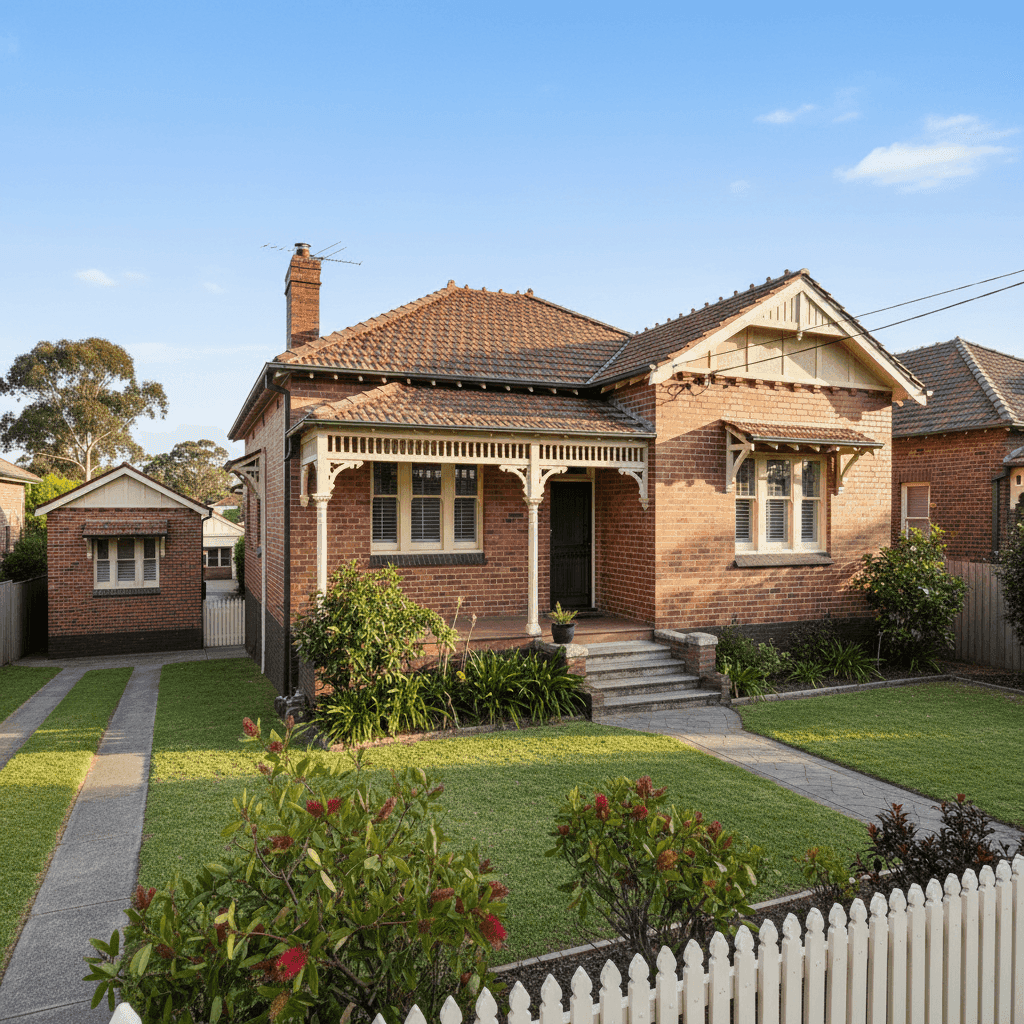
Arncliffe is a well-established inner-southern Sydney suburb with a strong mix of period homes and modern dwellings sitting just 10 kilometres from the CBD. For owners of older semi detached properties in the area, home insurance can be a surprisingly complex — and costly — exercise. This article breaks down a real home and contents insurance quote for a 3-bedroom, 2-bathroom semi detached in Arncliffe (NSW 2205), examines how it stacks up against local and national benchmarks, and offers practical tips to help you get better value on your cover.
---
Is This Quote Fair?
The annual premium for this property came in at $3,380 per year (or $324/month), covering both building and contents. Our analysis rates this quote as Expensive — above average for the area.
To put that in context, the suburb average for Arncliffe sits at $2,224/yr, with a median of $1,865/yr. That means this quote is roughly 52% above the suburb average and nearly 81% above the suburb median — a significant gap that warrants a closer look.
It's worth noting that the suburb sample includes 12 quotes, so while the dataset is relatively small, it still provides a useful reference point. The 75th percentile for the suburb is $2,803/yr, meaning this quote exceeds even the most expensive quarter of local policies. That's a clear signal that either the property's specific characteristics are pushing the premium up, or there may be room to shop around for a more competitive rate.
---
How Arncliffe Compares
Understanding where Arncliffe sits within the broader insurance landscape helps put this quote into perspective.
| Benchmark | Average Premium | Median Premium |
|---|---|---|
| Arncliffe (NSW 2205) | $2,224/yr | $1,865/yr |
| Bayside LGA (NSW) | $2,954/yr | — |
| New South Wales | $9,528/yr | $3,770/yr |
| National | $5,347/yr | $2,764/yr |
A few things stand out here. First, NSW as a state has a remarkably high average premium of $9,528/yr — heavily skewed by high-risk and high-value properties across the state, particularly in flood and storm-prone regions. The median of $3,770/yr is a more reliable indicator for typical NSW homeowners.
Against the national picture, the national median of $2,764/yr is actually quite close to Arncliffe's suburb median, suggesting that Arncliffe is broadly in line with typical Australian home insurance costs — at least for standard properties. The quote in question, however, sits well above all of these medians, reinforcing the "expensive" rating.
The Bayside LGA average of $2,954/yr also provides useful local context. This quote exceeds even the LGA average, which covers a diverse range of properties across the broader Bayside council area.
---
Property Features That Affect Your Premium
Several characteristics of this property are likely contributing to the elevated premium. Understanding these factors can help you have a more informed conversation with your insurer.
Heritage-Era Construction (Built 1902)
At over 120 years old, this property is a Federation-era home — a period that insurers treat with caution. Older homes can be expensive to repair or rebuild to modern standards, and sourcing period-appropriate materials (such as double brick or ornate timber detailing) adds to rebuild costs. The $912,000 building sum insured reflects this reality.
Double Brick External Walls
Double brick is a durable and thermally efficient construction method common in Sydney's pre-war homes. While it's structurally sound, it can be costly to repair after damage — particularly for semi detached homes where shared walls add complexity to any remediation work.
Elevated Foundation on Stumps
The property sits elevated by at least one metre on a stump foundation. While this can offer some protection from ground-level flooding and moisture, stump foundations require ongoing maintenance and can be expensive to repair or replace. Insurers factor in the additional risk and rebuild complexity of elevated homes.
Timber and Laminate Flooring
Timber flooring — especially original hardwood in a period home — is a premium material to replace. In a water damage or fire event, the cost of restoring or replacing timber floors can be substantial, and this is typically reflected in the premium.
Ducted Climate Control
The presence of ducted climate control adds to the insured value of the property. This system is expensive to install and repair, and its inclusion in the sum insured is appropriate — but it does push the overall premium higher.
Granny Flat
A self-contained granny flat on the property adds both value and complexity to the insurance arrangement. Insurers need to account for the additional structure, its contents, and any liability considerations — all of which can increase the overall premium.
Semi Detached Structure
Semi detached homes present a unique challenge for insurers. Because the property shares a wall with a neighbouring dwelling, damage events can be more complex and costly to manage. Repairs often need to be coordinated with the adjoining owner, and structural issues can affect both properties simultaneously.
---
Tips for Homeowners in Arncliffe
If you're looking to reduce your home insurance costs without sacrificing meaningful cover, here are four practical steps worth considering.
1. Review your sum insured carefully. A building sum insured of $912,000 is significant. Make sure this figure reflects the actual cost to rebuild — not the market value of the property. Using an independent building cost estimator can help you avoid over-insuring, which directly reduces your premium.
2. Compare multiple quotes. With only 12 quotes in the suburb sample, there's meaningful variation in what different insurers charge for similar properties in Arncliffe. Shopping around using a comparison tool like CoverClub can surface policies that better match your risk profile and budget.
3. Consider a higher excess. Both the building and contents excess on this policy are set at $1,000. Opting for a higher voluntary excess — say $2,000 or $2,500 — can meaningfully reduce your annual premium. Just make sure the excess remains affordable in the event of a claim.
4. Ask about discounts for security and maintenance. Some insurers offer discounts for properties with deadbolt locks, alarm systems, or smoke detectors. For an older home like this one, demonstrating that the property is well-maintained and secure can work in your favour at renewal time.
---
Ready to Compare?
Whether you're renewing an existing policy or insuring a property for the first time, it pays to see what's available in the market. CoverClub makes it easy to compare home and contents insurance quotes tailored to your property's specific features. Get a quote today and find out if you could be paying less for the same level of protection.