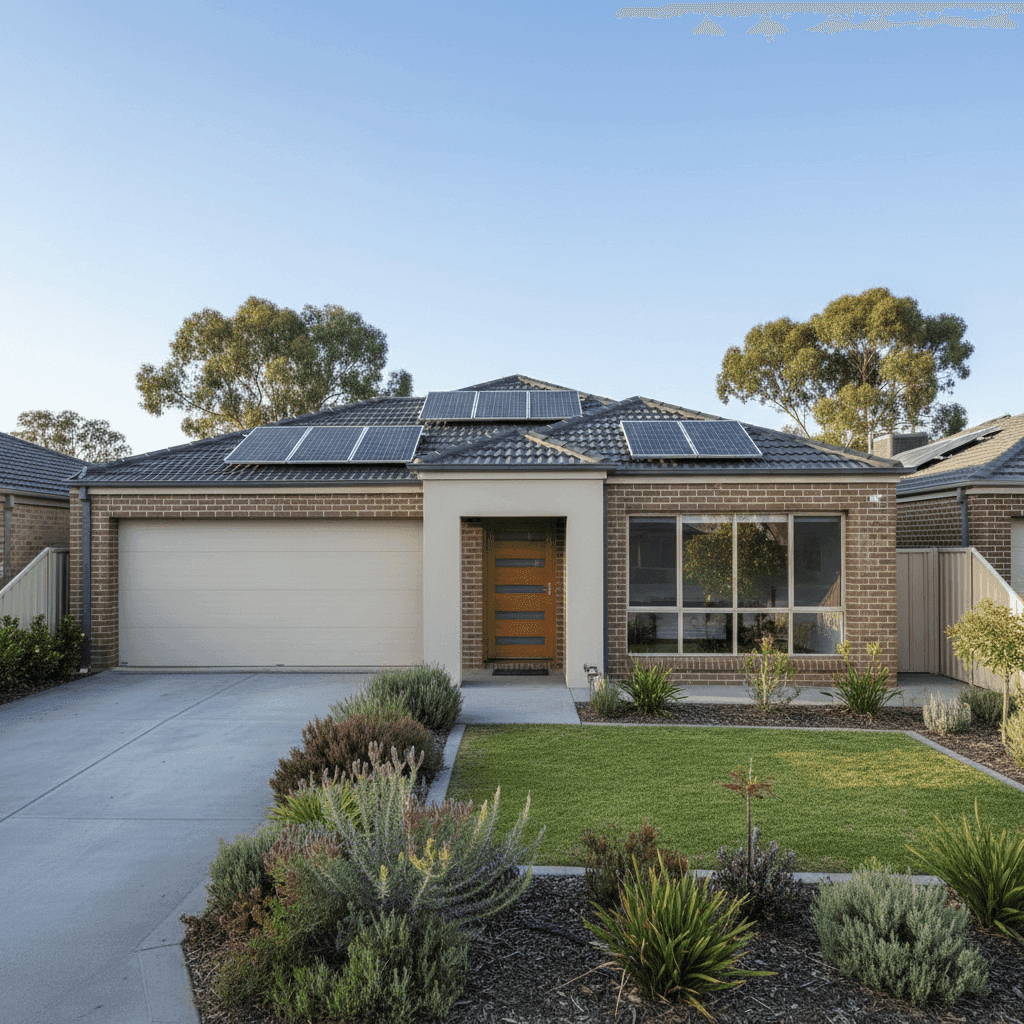
If you own a free standing home in Ascot Park, SA 5043, you're probably curious about whether you're paying a fair price for home insurance — or leaving money on the table. This article breaks down a real home and contents insurance quote for a three-bedroom, two-bathroom brick veneer property in this southern Adelaide suburb, and puts the numbers in context against local, state, and national benchmarks.
---
Is This Quote Fair?
The short answer: yes — and then some. The annual premium for this property came in at $1,352 per year (or roughly $130 per month), covering both building (insured at $557,000) and contents (valued at $52,000). Our pricing analysis rates this quote as Cheap — below average for the market.
To understand just how competitive that is, consider the broader picture. The South Australian state average premium sits at $2,433 per year, with a state median of $1,679. That means this quote is coming in at 44% below the SA average and a solid 19% below the state median. Against the national average of $5,347 — which is heavily skewed by high-risk areas in Queensland and northern Australia — this quote is extraordinarily competitive.
For a homeowner in Ascot Park, this represents genuinely strong value for a combined home and contents policy with a reasonable $1,000 excess on both building and contents.
---
How Ascot Park Compares
While suburb-level data isn't available for Ascot Park specifically, we can draw useful comparisons using the LGA of Marion, which encompasses Ascot Park. The Marion LGA average premium is $1,463 per year — meaning this quote is even 8% below the local government area average, which is itself already well below the state figure.
Here's a quick snapshot of how the numbers stack up:
| Benchmark | Annual Premium |
|---|---|
| This Quote | $1,352 |
| Marion LGA Average | $1,463 |
| SA State Median | $1,679 |
| SA State Average | $2,433 |
| National Median | $2,764 |
| National Average | $5,347 |
Ascot Park sits in a relatively low-risk part of metropolitan Adelaide — no cyclone exposure, no flood-prone coastal fringe, and a well-established suburban streetscape. These factors collectively keep premiums more manageable than many other parts of the country.
---
Property Features That Affect Your Premium
Several characteristics of this particular property work in the homeowner's favour when it comes to pricing:
Brick Veneer Construction
Brick veneer is one of the most common and well-regarded wall materials in South Australian residential construction. Insurers generally view it favourably because it offers solid fire resistance and structural durability, which can help moderate premiums compared to timber-framed or clad homes.
Tiled Roof
A tiled roof is considered a low-to-moderate risk roofing material. Tiles are durable, fire-resistant, and widely used across Adelaide's housing stock. Unlike metal roofing, they don't attract the same hail-damage concerns in some regions, and unlike older materials such as asbestos sheeting, they carry no legacy risk flags.
Concrete Slab Foundation
A slab foundation is generally straightforward from an underwriting perspective — no subfloor space to assess, no timber bearers to deteriorate. In SA's climate, slabs perform reliably and don't introduce the subsidence concerns associated with some reactive soil areas.
Built in 2009
A construction year of 2009 places this home squarely in the modern building era, meaning it was built to contemporary Australian Standards for structural integrity, energy efficiency, and bushfire construction requirements. Newer homes tend to attract more competitive premiums than older stock that may require more maintenance or have outdated wiring and plumbing.
Above Average Fittings
The above average fittings quality is worth noting — this can push the sum insured higher (reflected in the $557,000 building cover), but it also signals to insurers that the property is well-maintained and fitted with quality fixtures that are less likely to cause claims from wear and failure.
Solar Panels
The property includes rooftop solar panels, which are increasingly common in South Australia — a state with among the highest solar penetration rates in the world. Most modern home insurance policies cover solar panels as part of the building sum insured, so it's important to ensure the $557,000 figure accounts for their replacement value.
Ducted Climate Control
Ducted air conditioning is a feature that adds to the replacement cost of the home. As with solar panels, homeowners should confirm this is captured within the building sum insured to avoid being underinsured in the event of a total loss.
---
Tips for Homeowners in Ascot Park
1. Review your sum insured regularly Building costs in South Australia have risen significantly in recent years. With a 139 sqm home featuring above average fittings, solar panels, and ducted climate control, it's worth getting a professional rebuild cost estimate to ensure $557,000 remains adequate. Underinsurance is one of the most common and costly mistakes homeowners make.
2. Bundle building and contents for simplicity and savings This quote already combines building and contents cover — a smart move. Having a single policy with one insurer simplifies claims and can reduce overall costs compared to holding two separate policies.
3. Check what your solar panels are actually covered for Not all policies treat solar panels the same way. Some cover them only as part of the building, others may exclude certain failure modes. Read the Product Disclosure Statement (PDS) carefully, or ask your insurer directly how your system is covered.
4. Compare at renewal time — every year Even a below-average premium can creep up at renewal without a change in your circumstances. The insurance market shifts constantly, and loyalty doesn't always pay. Use a comparison tool at renewal to make sure you're still getting the best deal available for your property.
---
Compare Home Insurance Quotes for Your Ascot Park Property
Whether you're a first-time buyer or a long-term homeowner in Ascot Park, it pays to compare. CoverClub makes it easy to see how your current premium stacks up — and find better value if it's out there. Get a home insurance quote today and see what the market is offering for your specific property.