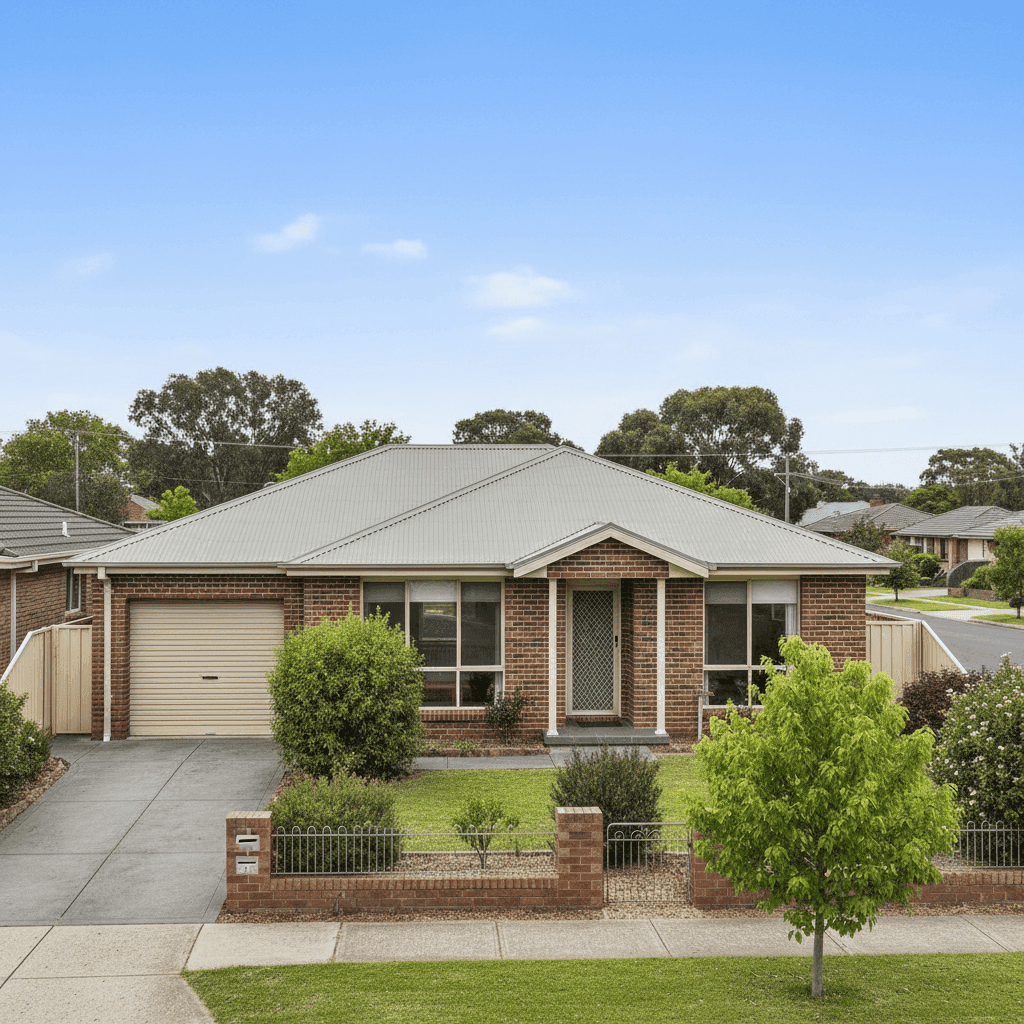
If you own a free standing home in Ascot Vale, VIC 3032, you're likely already aware that insurance costs can vary dramatically from one property to the next. This article takes a close look at a real home and contents insurance quote for a four-bedroom, two-bathroom brick veneer home in the suburb, breaking down whether the price stacks up and what factors are likely driving the premium.
---
Is This Quote Fair?
The annual premium for this property came in at $2,188 per year (or roughly $214 per month), covering both building and contents. The building is insured for $1,208,000 and contents for $150,000, with a $1,000 excess applying to both.
CoverClub's pricing analysis rates this quote as Fair — Around Average, which is a reasonable outcome for a property of this size and specification. It sits comfortably within the middle band of what Ascot Vale homeowners are paying, above the suburb median but well below the 75th percentile.
To put it plainly: you're not getting a bargain, but you're also not being overcharged. For a well-appointed four-bedroom home with above-average fittings and a substantial building sum insured, this is a defensible premium.
---
How Ascot Vale Compares
Understanding where your quote sits relative to others is one of the most useful things you can do as a homeowner. Here's how this premium lines up across different benchmarks:
| Benchmark | Premium |
|---|---|
| This Quote | $2,188/yr |
| Ascot Vale Suburb Average | $1,997/yr |
| Ascot Vale Suburb Median | $1,622/yr |
| Ascot Vale 25th Percentile | $1,115/yr |
| Ascot Vale 75th Percentile | $2,459/yr |
| Maribyrnong LGA Average | $1,816/yr |
| VIC State Average | $2,921/yr |
| VIC State Median | $2,694/yr |
| National Average | $2,965/yr |
| National Median | $2,716/yr |
(Based on a sample of 50 quotes in the Ascot Vale area)
A few things stand out here. First, this quote is above the suburb median of $1,622, which reflects the higher-than-average sum insured and above-average fittings quality — both of which push premiums upward. Second, and perhaps more surprisingly, it comes in significantly below both the Victorian state average ($2,921) and the national average ($2,965). This is a meaningful saving compared to what many Australian homeowners are paying elsewhere.
Ascot Vale as a suburb also compares favourably within the Maribyrnong LGA, where the average sits at $1,816 — suggesting the area carries relatively moderate risk in the insurer's eyes. You can explore Victoria-wide insurance trends or benchmark against national home insurance data to get a broader picture.
---
Property Features That Affect Your Premium
Every property tells a story, and insurers read that story carefully when pricing a policy. Here's how the specific features of this home are likely influencing the premium:
Brick Veneer Construction Brick veneer is generally viewed favourably by insurers. It offers solid fire resistance and durability, which can help moderate the cost of coverage compared to weatherboard or other timber-heavy construction types.
Steel / Colorbond Roof A Colorbond steel roof is another positive from an underwriting perspective. It's lightweight, highly durable, resistant to fire and corrosion, and performs well in storm events — all factors that reduce the likelihood of a claim.
Stump Foundation The property sits on stumps, which is common in older Melbourne suburbs. While stumps can be susceptible to movement and pest damage over time, they also allow for easier access and inspection. Insurers may factor in the age and condition of stumps when assessing risk, so it's worth ensuring your policy covers structural issues related to the foundation.
Timber / Laminate Flooring Above-average fittings paired with timber and laminate flooring increases the replacement cost of the home's interior. This contributes to a higher contents and building sum insured, which flows through to the premium.
Building Size and Sum Insured At 116 sqm and insured for $1,208,000, this property carries a high per-square-metre insured value — a reflection of the above-average fittings and quality finishes. Getting the sum insured right is critical: underinsuring can leave you seriously out of pocket after a major loss, while overinsuring means you're paying more than necessary.
No Pool, Solar Panels, or Cyclone Risk The absence of a pool, solar panels, and cyclone exposure all help keep the premium in check. Each of these factors can add meaningful cost to a policy, so their absence here works in the homeowner's favour.
---
Tips for Homeowners in Ascot Vale
Whether you're reviewing an existing policy or shopping around for the first time, here are some practical steps worth considering:
- Review your sum insured annually. Building costs in Melbourne's inner west have risen sharply in recent years. Make sure your building sum insured reflects current construction costs — not what it would have cost to rebuild five years ago. Tools like the Cordell Sum Sure calculator can help you estimate an appropriate figure.
- Check your stump condition. If your home is on timber stumps, have them inspected periodically. Some policies exclude damage caused by gradual deterioration or pest activity, so understanding what's covered — and what isn't — before you need to make a claim is essential.
- Bundle building and contents for potential savings. This quote already covers both building and contents under a combined policy, which many insurers reward with a discount. If you're currently holding separate policies with different providers, it's worth comparing the cost of a bundled approach.
- Compare quotes before renewal. Loyalty doesn't always pay in the insurance market. Premiums can shift significantly from year to year, and the market is competitive. Running a comparison at renewal time — even if you ultimately stick with your current insurer — ensures you're not paying more than you need to.
---
Compare Your Home Insurance Quote Today
Whether this quote matches your own situation or you're simply trying to understand what's reasonable for Ascot Vale, CoverClub makes it easy to see how your premium stacks up. Get a home insurance quote in minutes and compare options from a range of Australian insurers — all in one place. You can also explore suburb-level insurance data for Ascot Vale to see how your property compares to others in the area.