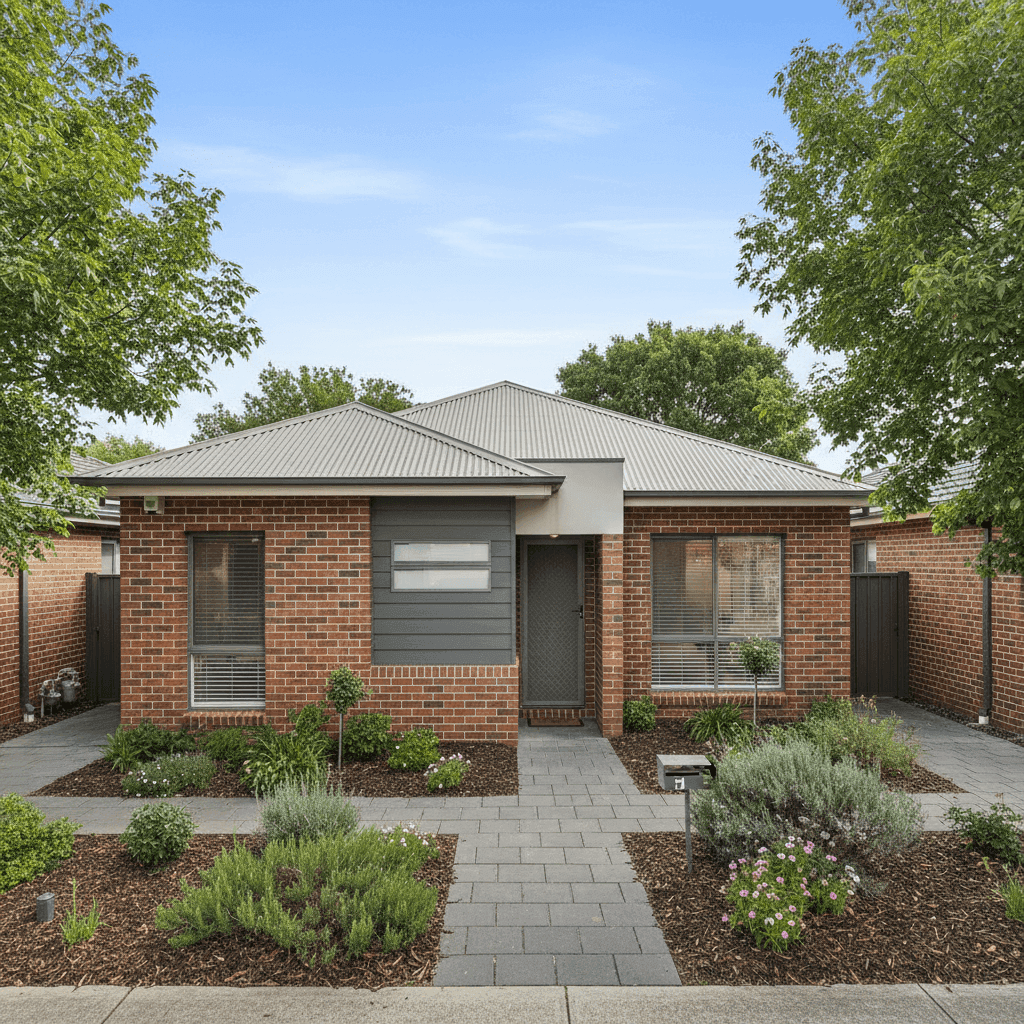
If you own a townhouse in Ascot Vale, VIC 3032, you're living in one of Melbourne's most sought-after inner-north-west suburbs — a leafy, characterful pocket that blends period homes with modern builds. But what does it actually cost to insure a property here, and how do you know whether the quote sitting in your inbox is competitive? We've crunched the numbers on a real home and contents insurance quote for a three-bedroom townhouse in Ascot Vale to help you make a more informed decision.
---
Is This Quote Fair?
The quote in question comes in at $6,469 per year (or $620 per month) for combined home and contents cover — with a building sum insured of $683,000 and contents valued at $80,000. Both the building and contents excess are set at $1,000.
Our price rating for this quote is Expensive (Above Average), and the data backs that up. The suburb average annual premium in Ascot Vale sits at just $2,524, while the median is $2,031. That means this quote is roughly 2.6 times the suburb average and more than three times the local median — a significant gap that warrants a closer look.
It's worth noting that the higher building sum insured ($683,000) is a major driver of the premium. Rebuilding a modern brick veneer townhouse with quality fixtures and fittings in metropolitan Melbourne is not cheap, and insurers price accordingly. That said, even accounting for a generous sum insured, this quote sits well above what most Ascot Vale homeowners are paying, which suggests there may be room to shop around.
---
How Ascot Vale Compares
To put this quote in proper context, here's how Ascot Vale stacks up against broader benchmarks — based on data from CoverClub's Ascot Vale suburb stats:
| Benchmark | Average Premium | Median Premium |
|---|---|---|
| Ascot Vale (3032) | $2,524/yr | $2,031/yr |
| LGA (Maribyrnong) | $1,816/yr | — |
| Victoria | $3,000/yr | $2,718/yr |
| National | $5,347/yr | $2,764/yr |
A few things stand out here. First, Ascot Vale premiums are actually below the Victorian state average, which is a good sign for local homeowners — the suburb doesn't carry elevated risk factors that push costs sky-high. Second, the national average of $5,347 is skewed upward by high-risk regions like cyclone-prone Far North Queensland and flood-affected inland areas, so comparing yourself to the national figure alone can be misleading.
The Victorian state average of $3,000 is a more relevant yardstick for Ascot Vale residents. The quote analysed here exceeds even that figure by more than double, reinforcing the "Expensive" rating. The 75th percentile for the suburb is $3,567 — meaning only the top quarter of quotes in the area reach that level, and this one goes well beyond it.
It's also worth noting that the LGA average for Maribyrnong ($1,816) is notably lower than the suburb average, which may reflect a mix of property types and cover levels across the council area.
---
Property Features That Affect Your Premium
Several characteristics of this particular townhouse influence how insurers assess and price the risk:
Brick Veneer Walls & Colorbond Roof Brick veneer is generally viewed favourably by insurers — it's durable, fire-resistant, and widely used in Australian residential construction. Paired with a steel Colorbond roof, this combination is considered low-maintenance and resilient. These materials typically attract more competitive premiums compared to, say, weatherboard or older tile roofing.
Modern Construction (2017) A build year of 2017 means the property is relatively new and was constructed under modern Australian building codes. Newer homes tend to have better structural integrity, updated electrical and plumbing systems, and improved bushfire and weatherproofing standards — all of which reduce risk in the eyes of insurers.
Concrete Slab Foundation Slab-on-ground foundations are standard for modern townhouses and are generally considered stable and low-risk. Unlike older pier-and-beam or strip footings, slabs are less susceptible to subsidence and termite ingress, which can be a factor in some parts of Victoria.
Timber and Laminate Flooring While stylish, timber and laminate floors can be more expensive to repair or replace following water damage compared to tiles. This is a minor factor but can nudge contents and building replacement costs upward.
Ducted Climate Control The presence of a ducted heating and cooling system adds to the rebuild value of the home. These systems are expensive to install and replace, and insurers factor them into building sum insured calculations.
No Pool, No Solar Panels, Not in a Cyclone Zone The absence of a pool and solar panels simplifies the risk profile and removes two common sources of premium loading. Being outside a cyclone risk area is another positive — something many Queensland and Northern Territory homeowners can't say.
---
Tips for Homeowners in Ascot Vale
1. Review your sum insured carefully The building sum insured of $683,000 is the single biggest lever on this premium. Make sure your figure reflects the actual cost to rebuild — not the market value of the property. Use a building cost calculator or ask a quantity surveyor to verify your estimate. Overinsuring can be just as costly as underinsuring.
2. Compare multiple quotes before renewing With only 39 quotes in our Ascot Vale sample, the spread is wide — from $1,591 at the 25th percentile to $3,567 at the 75th. That's a huge range, and it shows that shopping around genuinely makes a difference. Don't let your policy auto-renew without checking what else is on the market.
3. Consider adjusting your excess Opting for a higher excess (say, $2,000 instead of $1,000) can meaningfully reduce your annual premium. If you have a solid emergency fund and wouldn't be making small claims anyway, this is often a smart trade-off.
4. Bundle your building and contents cover This quote already combines building and contents, which is a good move. Many insurers offer discounts for bundling, so if you're currently holding separate policies, consolidating them could reduce your total outlay.
---
Ready to Find a Better Deal?
Whether you're reviewing your current policy or insuring a new property, comparing quotes is the fastest way to find out if you're overpaying. Get a home insurance quote through CoverClub and see how your premium stacks up against real data from your suburb. It takes just a few minutes, and the savings could be significant.
For more suburb-level insights, explore Ascot Vale insurance stats or browse the full Victoria insurance data to understand what homeowners across the state are paying.