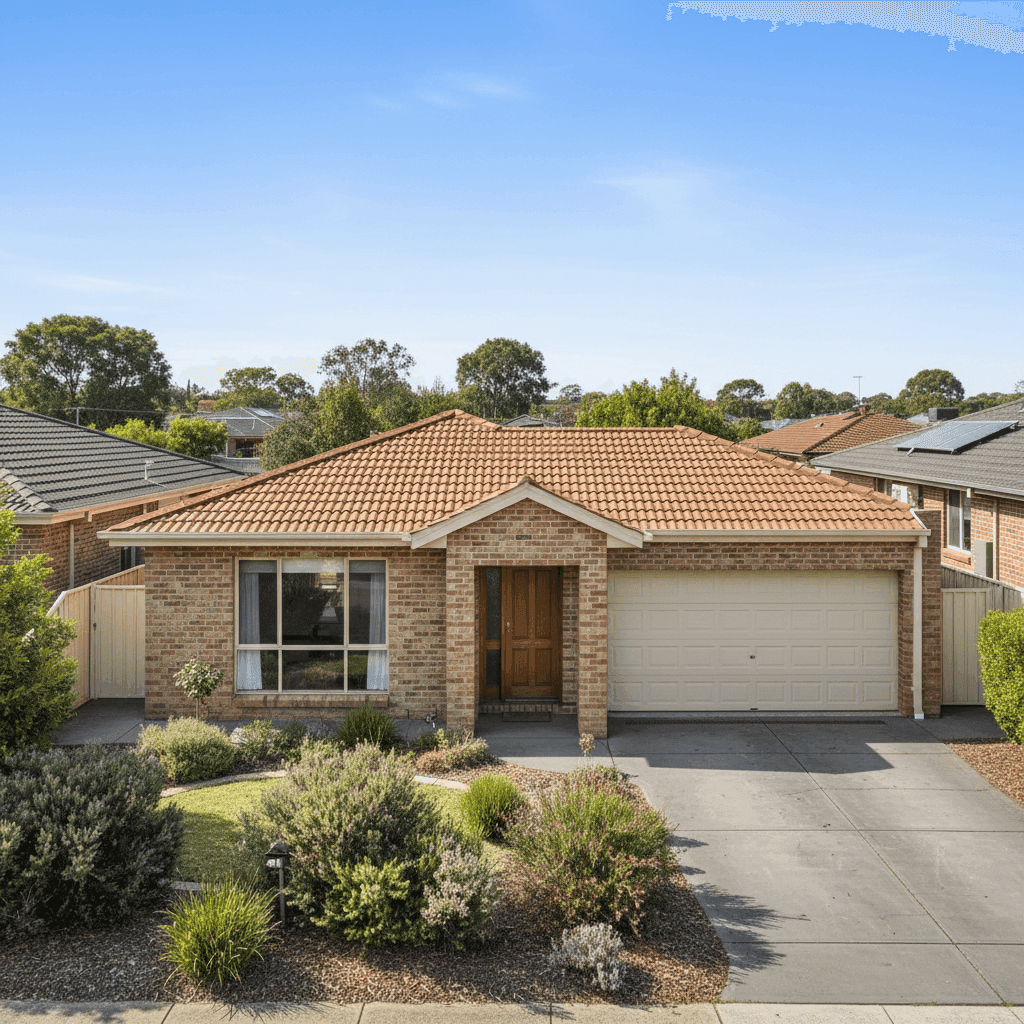
If you own a free standing home in Ascot, VIC 3551, you've probably wondered whether you're paying a fair price for your home and contents insurance — or whether you could be doing better. In this article, we analyse a real insurance quote for a 3-bedroom, 2-bathroom brick veneer home in Ascot, breaking down the premium against suburb, state, and national benchmarks to help you make a more informed decision.
---
Is This Quote Fair?
The quote in question comes in at $1,471 per year (or around $141 per month) for combined home and contents cover, with a building sum insured of $450,000 and contents valued at $50,000. Both the building and contents excess are set at $1,000.
Our price rating for this quote is FAIR — Around Average.
That might sound underwhelming at first glance, but context matters enormously in home insurance. "Around average" in Ascot is actually a reasonably competitive result. The suburb's average premium sits at $1,964 per year, meaning this quote comes in roughly $493 below the local average — a meaningful saving. Compared to the suburb median of $1,723, the quote still lands comfortably below the midpoint, which is an encouraging sign.
To put it plainly: while this isn't the cheapest quote on the market (the suburb's 25th percentile sits at $1,169/yr), it's well within a reasonable range and outperforms the majority of quotes seen in the area. Homeowners paying above the 75th percentile threshold of $2,454/yr should take particular note — there's likely room to save.
---
How Ascot Compares
One of the most striking takeaways from this data is just how affordable Ascot is relative to broader benchmarks. Here's a quick snapshot:
| Benchmark | Annual Premium |
|---|---|
| This Quote | $1,471 |
| Ascot Suburb Average | $1,964 |
| Ascot Suburb Median | $1,723 |
| VIC State Average | $3,000 |
| VIC State Median | $2,718 |
| Mount Alexander LGA Average | $3,847 |
| National Average | $5,347 |
| National Median | $2,764 |
The figures tell a compelling story. Ascot homeowners are paying significantly less than the Victorian state average of $3,000/yr, and the gap widens considerably when compared to the national average of $5,347/yr — a figure heavily influenced by high-risk regions such as coastal Queensland and flood-prone areas of New South Wales.
Interestingly, the Mount Alexander LGA average of $3,847/yr sits well above both the suburb and state figures, suggesting that Ascot may be one of the more favourably rated pockets within the broader local government area. This is worth keeping in mind if you're comparing notes with neighbours in surrounding towns.
You can explore more localised data on the Ascot suburb stats page, dig into Victoria-wide insurance trends, or see how the whole country stacks up on the national stats page.
---
Property Features That Affect Your Premium
Every home is different, and insurers assess a wide range of property characteristics when calculating your premium. Here's how the features of this particular home are likely influencing the quote:
Brick Veneer Walls Brick veneer is one of the most common external wall materials in regional Victoria, and insurers generally view it favourably. It offers solid fire resistance and durability, which can contribute to lower premiums compared to timber-framed or clad homes.
Tiled Roof Tile roofing is another well-regarded feature from an underwriting perspective. Tiles are durable, fire-resistant, and less susceptible to storm damage than some alternatives like corrugated iron, particularly in non-cyclone zones.
Concrete Slab Foundation A slab foundation is typically considered low-risk by insurers. It's less prone to subsidence or pest damage than raised timber stumps, which can be a factor in older regional homes.
Built in 2011 At around 14 years old, this home sits in a sweet spot for insurers — modern enough to meet contemporary building standards, but not so new that replacement costs are at a premium. Homes built after 1990 generally benefit from updated electrical and plumbing systems, which reduces the likelihood of certain claims.
139 sqm Building Size At 139 square metres, this is a modestly sized home, and building size directly influences the cost to rebuild — a key driver of the building sum insured. A $450,000 sum insured equates to roughly $3,237 per square metre, which aligns reasonably well with current construction cost benchmarks in regional Victoria.
Ducted Climate Control The presence of ducted climate control is worth noting. This system adds value to the property and is typically captured within the building sum insured. It can also be a source of claims if not properly maintained, so keeping up with servicing is worthwhile.
No Pool, No Solar Panels The absence of a swimming pool and solar panels simplifies the risk profile. Pools can add liability considerations, while solar panels introduce additional replacement costs and potential roof penetration risks. Neither factor applies here, which keeps things straightforward.
Standard Fittings Quality Standard fittings — rather than high-end or custom finishes — mean rebuild costs are more predictable and generally lower. This is reflected in a more conservative sum insured, which in turn keeps the premium manageable.
---
Tips for Homeowners in Ascot
Whether you're happy with your current policy or actively shopping around, here are a few practical steps to ensure you're getting the best value:
- Review your sum insured annually. Construction costs in regional Victoria have risen steadily in recent years. It's worth reassessing your building sum insured each year to ensure you're not underinsured — but also not paying for more cover than you need. Use a building cost calculator as a starting point.
- Bundle your building and contents cover. As demonstrated in this quote, combining home and contents insurance with a single insurer often attracts a discount compared to holding separate policies. It also simplifies claims management.
- Consider your excess carefully. A $1,000 excess on both building and contents is fairly standard, but opting for a higher excess can meaningfully reduce your annual premium. If you have a solid emergency fund and are unlikely to make small claims, a higher excess could be a smart trade-off.
- Don't auto-renew without comparing. Insurers frequently offer their best rates to new customers. If you've been with the same provider for several years, there's a good chance you're paying a loyalty premium. Shopping around at renewal time — even just to benchmark your current rate — is one of the easiest ways to save.
---
Compare Your Quote with CoverClub
Whether this quote matches your own situation or you're simply curious about what's available in Ascot, CoverClub makes it easy to see how different insurers price your specific property. With transparent, data-driven comparisons tailored to your address, you can shop with confidence and avoid overpaying.
Get a home insurance quote for your Ascot property today and see how your premium stacks up against the suburb, state, and national benchmarks.