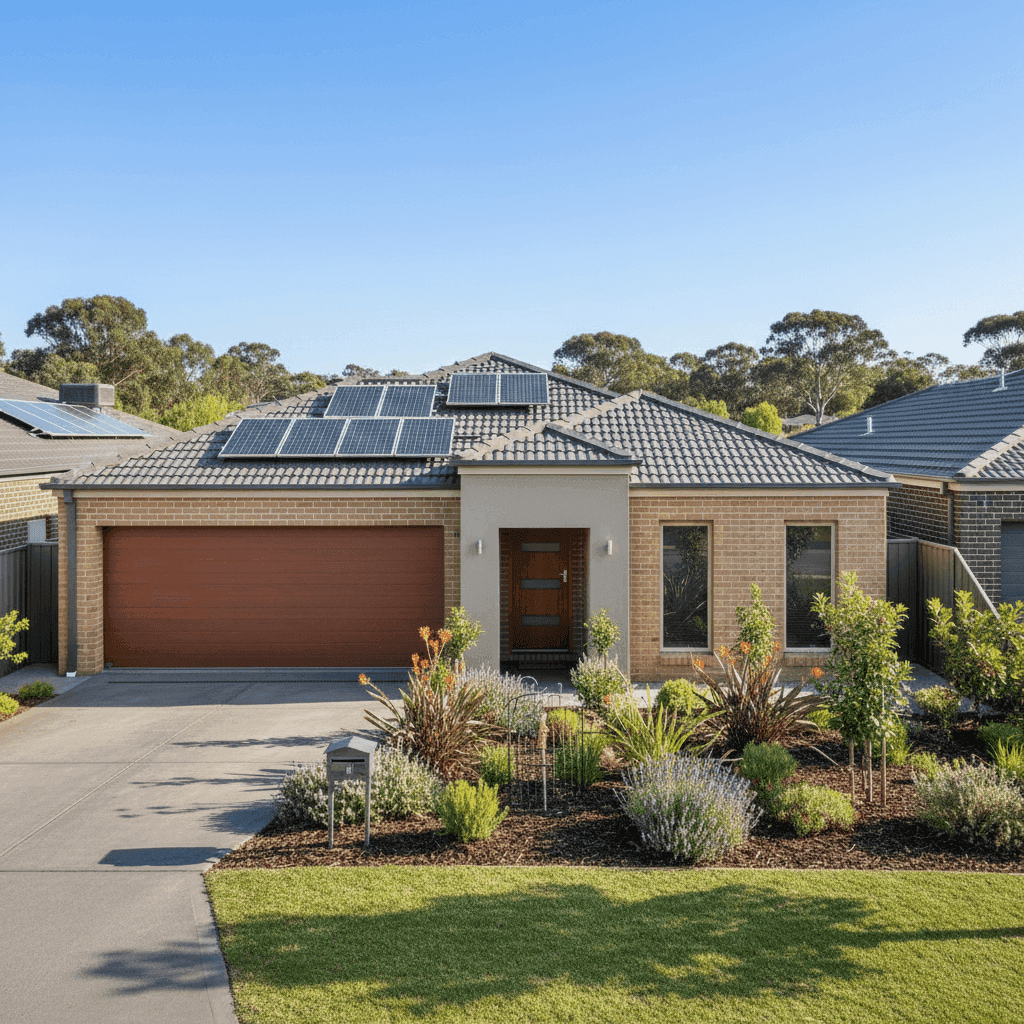
Ashwood is a quiet, established suburb in Melbourne's inner-east, sitting within the City of Monash and known for its leafy streets and solid residential housing stock. If you own a free standing home here, you're likely wondering whether the premium you've been quoted is competitive — or whether there's room to do better. This article breaks down a recent home and contents insurance quote for a four-bedroom, three-bathroom brick veneer home in Ashwood (postcode 3147), and puts it in context against local, state, and national benchmarks.
---
Is This Quote Fair?
The quote in question comes in at $1,849 per year (or $181/month) for a combined home and contents policy, covering a building sum insured of $725,000 and contents valued at $110,000. Both the building and contents excess are set at $1,000.
Our price rating for this quote is FAIR — Around Average, and the data backs that up. The suburb median premium for Ashwood sits at $1,848 per year, meaning this quote lands almost exactly at the midpoint of what others in the area are paying. The suburb average is $1,820, so the quote is marginally above the mean — but well within a normal range.
In practical terms, "fair" doesn't mean you can't do better. It means you're not being overcharged, but you're also not securing a standout deal. Roughly 25% of comparable Ashwood properties are insured for $1,420 or less per year (the 25th percentile), so there is meaningful potential to save if you shop around. On the other end, 75% of properties pay less than $1,913 — so this quote sits comfortably inside the bulk of the market.
For more localised data, check out the Ashwood suburb insurance stats on CoverClub.
---
How Ashwood Compares
One of the most telling aspects of this quote is just how favourably Ashwood stacks up against broader benchmarks.
| Benchmark | Premium |
|---|---|
| This quote | $1,849/yr |
| Ashwood suburb average | $1,820/yr |
| Ashwood suburb median | $1,848/yr |
| LGA average (Stonnington) | $2,235/yr |
| VIC state average | $3,000/yr |
| VIC state median | $2,718/yr |
| National average | $5,347/yr |
| National median | $2,764/yr |
The numbers tell a clear story: Ashwood is a relatively affordable suburb to insure. This quote is 38% below the Victorian state average and a remarkable 65% below the national average. Even compared to the broader LGA average of $2,235 (which covers the City of Stonnington area), this quote comes in noticeably lower.
Why the gap? Much of Australia's national average is skewed by high-risk regions — think cyclone-prone Far North Queensland, flood-affected river towns, and bushfire-exposed rural areas. Melbourne's inner-east doesn't carry those same risk profiles, which translates directly into more manageable premiums for homeowners in suburbs like Ashwood.
You can explore Victoria-wide insurance data or national home insurance statistics to see how your suburb fits into the bigger picture.
---
Property Features That Affect Your Premium
Every insurer assesses risk differently, but the physical characteristics of a property play a significant role in determining your premium. Here's how the features of this particular home factor in:
Brick Veneer Walls Brick veneer is one of the most common and well-regarded wall materials in Victoria. It offers solid fire resistance and structural integrity, which insurers generally view favourably. Compared to weatherboard or lightweight cladding, brick veneer tends to attract lower risk loadings.
Tiled Roof Terracotta or concrete tiles are considered a durable, low-maintenance roofing option. They perform well in Melbourne's variable climate and are resistant to ember attack — a consideration even in suburban areas during extreme fire weather days.
Slab Foundation A concrete slab foundation is standard for homes built in this era and is generally regarded as stable in Melbourne's clay-heavy soils, provided it was engineered correctly. It's a neutral factor for most insurers.
Built in 2015 A relatively modern construction year works in the homeowner's favour. Homes built after 2011 are subject to updated Australian building codes, meaning better structural standards, improved waterproofing, and more fire-resilient construction. Insurers often price newer homes more competitively.
Solar Panels Solar panels are now a standard feature on many Australian homes, but they do add some complexity to a home insurance policy. It's important to confirm that your policy explicitly covers solar panels — both for damage to the panels themselves and for any liability arising from installation or malfunction. Most comprehensive policies include this, but it's worth checking the Product Disclosure Statement (PDS).
Ducted Climate Control Ducted air conditioning systems are a significant fixed asset and can be costly to repair or replace. Ensuring your building sum insured accounts for the full replacement cost of this system is important — underinsurance is a common issue for homeowners with high-value fixtures.
Timber/Laminate Flooring Timber and laminate floors are attractive but can be vulnerable to water damage. This is worth keeping in mind when reviewing your contents and building cover — particularly around what's classified as a fixture versus a content item under your policy.
235 sqm Building Size At 235 square metres, this is a comfortably sized family home. The $725,000 building sum insured equates to roughly $3,085 per square metre in rebuild cost — a figure that aligns reasonably well with current construction cost estimates in metropolitan Melbourne, though it's always wise to review this annually as building costs continue to rise.
---
Tips for Homeowners in Ashwood
1. Review your sum insured every year Construction costs in Melbourne have risen significantly over the past few years. A sum insured that was adequate in 2022 may no longer cover a full rebuild today. Use an independent building cost calculator or speak with a quantity surveyor to make sure you're not underinsured.
2. Confirm solar panel coverage in writing Don't assume your solar panels are covered — check your PDS or call your insurer directly. Ask whether panels are covered under the building section, whether accidental damage is included, and whether there are any exclusions related to inverter failure or storm damage.
3. Shop around at renewal time Loyalty doesn't always pay in home insurance. Insurers regularly offer better rates to new customers than to existing ones. Even if your current quote is rated "fair," comparing alternatives at renewal could uncover savings of $300–$500 or more annually. Get a comparison quote through CoverClub to see what else is available in your area.
4. Consider your excess strategically Both the building and contents excess on this policy are set at $1,000. Opting for a higher excess (say, $1,500 or $2,000) can reduce your annual premium — sometimes meaningfully. If you're a low-claims household with solid emergency savings, this trade-off can make financial sense over the long run.
---
Ready to Compare?
Whether you're a first-time buyer or a long-time Ashwood resident reviewing your existing cover, it pays to see what the market has to offer. CoverClub makes it easy to compare home and contents insurance quotes tailored to your property's specific features and location.
Get a quote today at CoverClub and find out if there's a better deal waiting for you.