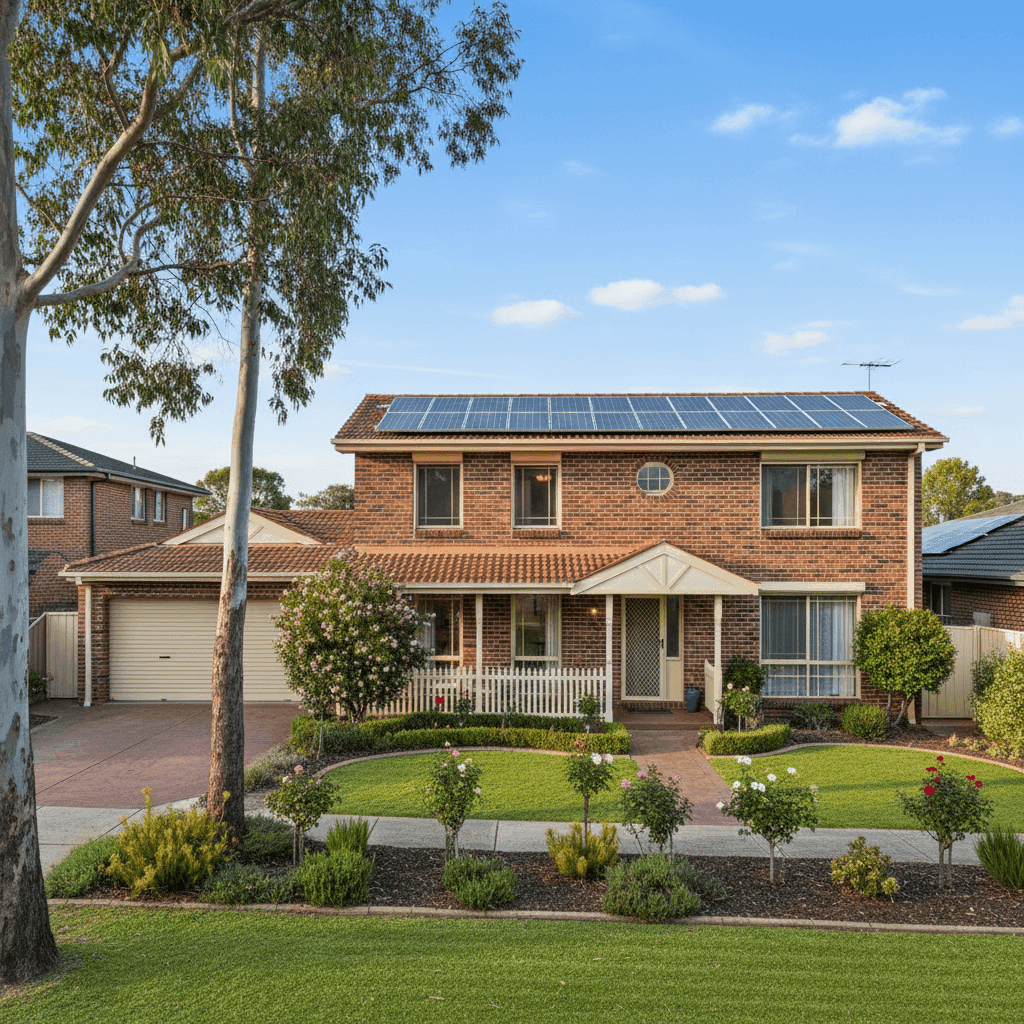
Ashwood is a well-established residential suburb in Melbourne's inner-east, sitting within the City of Monash and known for its leafy streets and solid family homes. If you own a free standing home here, understanding what you should be paying for building insurance — and why — can make a real difference to your household budget. In this article, we break down a real building-only insurance quote for a 4-bedroom, 3-bathroom brick veneer home in Ashwood VIC 3147, and put it in context against local, state, and national benchmarks.
---
Is This Quote Fair?
The quote in question comes in at $1,877 per year (or $184/month) for building-only cover on a 4-bedroom free standing home with a sum insured of $1,270,000 and a building excess of $5,000.
Our price rating for this quote is FAIR — Around Average, and the data backs that up. At $1,877/yr, this premium sits comfortably within the middle band of what Ashwood homeowners are currently paying. It's just above the suburb median of $1,848/yr and slightly above the suburb average of $1,820/yr, placing it in the upper half of the typical range — but well within normal territory.
To put it another way: 75% of comparable quotes in Ashwood come in at $1,913/yr or below, meaning this quote is nestled just inside that upper quartile. It's not the cheapest option available (the 25th percentile sits at $1,420/yr), but it's also far from excessive. For a high-spec home with top-of-the-range fittings and a substantial rebuild value of $1.27 million, a premium in this range is entirely reasonable.
The building excess of $5,000 is on the higher end and is likely contributing to keeping the annual premium lower than it might otherwise be. Homeowners should weigh up whether that trade-off suits their financial situation — a higher excess means lower ongoing costs, but a larger out-of-pocket expense if you ever need to make a claim.
---
How Ashwood Compares
One of the most striking takeaways from this analysis is just how competitively priced Ashwood is relative to broader benchmarks. Here's how the numbers stack up:
| Benchmark | Premium |
|---|---|
| This Quote | $1,877/yr |
| Ashwood Suburb Average | $1,820/yr |
| Ashwood Suburb Median | $1,848/yr |
| LGA Average (Monash) | $2,235/yr |
| VIC State Average | $3,000/yr |
| VIC State Median | $2,718/yr |
| National Average | $5,347/yr |
| National Median | $2,764/yr |
Compared to the Victorian state average of $3,000/yr, this quote is roughly 37% cheaper — a significant saving. Against the national average of $5,347/yr, the difference is even more dramatic, with this Ashwood quote costing 65% less.
It's worth noting that national averages are heavily influenced by high-risk regions — particularly cyclone-prone areas in Queensland and Western Australia, and flood-affected zones across New South Wales. Ashwood benefits from being in a relatively low-risk part of Melbourne, which is a key reason premiums here remain modest by comparison.
You can explore more localised data on the Ashwood suburb stats page, which is updated regularly with real quote data from homeowners in the area.
---
Property Features That Affect Your Premium
Several characteristics of this particular home play a meaningful role in shaping the premium:
Brick Veneer Construction & Tiled Roof Brick veneer walls and a tiled roof are considered a solid, low-risk combination by most insurers. These materials are durable, fire-resistant, and widely understood by builders, which makes repair cost estimates more predictable. This generally translates to more competitive premiums compared to homes with timber cladding or metal roofing in certain contexts.
Slab Foundation A concrete slab foundation is standard for homes of this era in Victoria and is generally viewed favourably by underwriters. It reduces the risk of subsidence-related claims compared to older pier-and-beam foundations, which can be more susceptible to movement in reactive clay soils — something Melbourne's eastern suburbs are known for.
Top-of-the-Range Fittings The home's premium fittings quality is an important factor here. High-end fixtures, finishes, and appliances cost significantly more to repair or replace, which is directly reflected in the $1,270,000 sum insured. Homeowners with top-tier fittings should ensure their sum insured genuinely reflects the full cost of rebuilding to the same standard — underinsurance is a common and costly mistake.
Solar Panels Solar panels are an increasingly common feature on Australian homes, but they do add complexity to a building insurance policy. Panels can be damaged by hail, storms, or falling debris, and their replacement cost should be factored into your sum insured. It's worth confirming with your insurer that solar panels are explicitly covered under your policy.
Ducted Climate Control Ducted heating and cooling systems are a significant fixed asset within the building. Damage to ductwork or the central unit can be expensive to repair, and this is typically covered under building insurance — another reason why an accurate sum insured matters.
Construction Year: 2001 At around 24 years old, this home is in a sweet spot for insurers — modern enough to meet contemporary building codes, but well past the higher-risk early years of new construction. There are no significant age-related concerns that would push premiums higher.
---
Tips for Homeowners in Ashwood
1. Review Your Sum Insured Annually With construction costs continuing to rise across Victoria, the cost to rebuild your home can increase significantly year on year. A sum insured that was accurate two years ago may leave you underinsured today. Use a building cost calculator or speak with a quantity surveyor to verify your figure each year — especially given the high-quality fittings in this home.
2. Consider Whether Your Excess Suits Your Situation This policy carries a $5,000 building excess. While a higher excess reduces your premium, it also means you'll need to cover more out of pocket in the event of a claim. If cash flow is a concern, it may be worth comparing quotes with a lower excess to find the right balance for your circumstances.
3. Confirm Solar Panel Coverage If you have solar panels (as this property does), check the fine print of any policy you're considering. Some insurers cover panels as part of the building sum insured, while others may require a separate endorsement or have specific exclusions. Don't assume — ask directly before you sign.
4. Shop Around at Renewal Time Even if your current premium seems fair, the insurance market shifts regularly. New entrants, changing risk models, and competitive pricing mean that the best deal today may not be the best deal next year. Set a reminder to compare quotes at least 30 days before your renewal date to give yourself time to switch if a better option emerges.
---
Ready to Compare Home Insurance in Ashwood?
Whether you're renewing an existing policy or insuring a new purchase, it pays to see what's available across the market. CoverClub makes it easy to compare building and contents insurance quotes for homes in Ashwood and across Victoria — so you can be confident you're getting a fair deal.