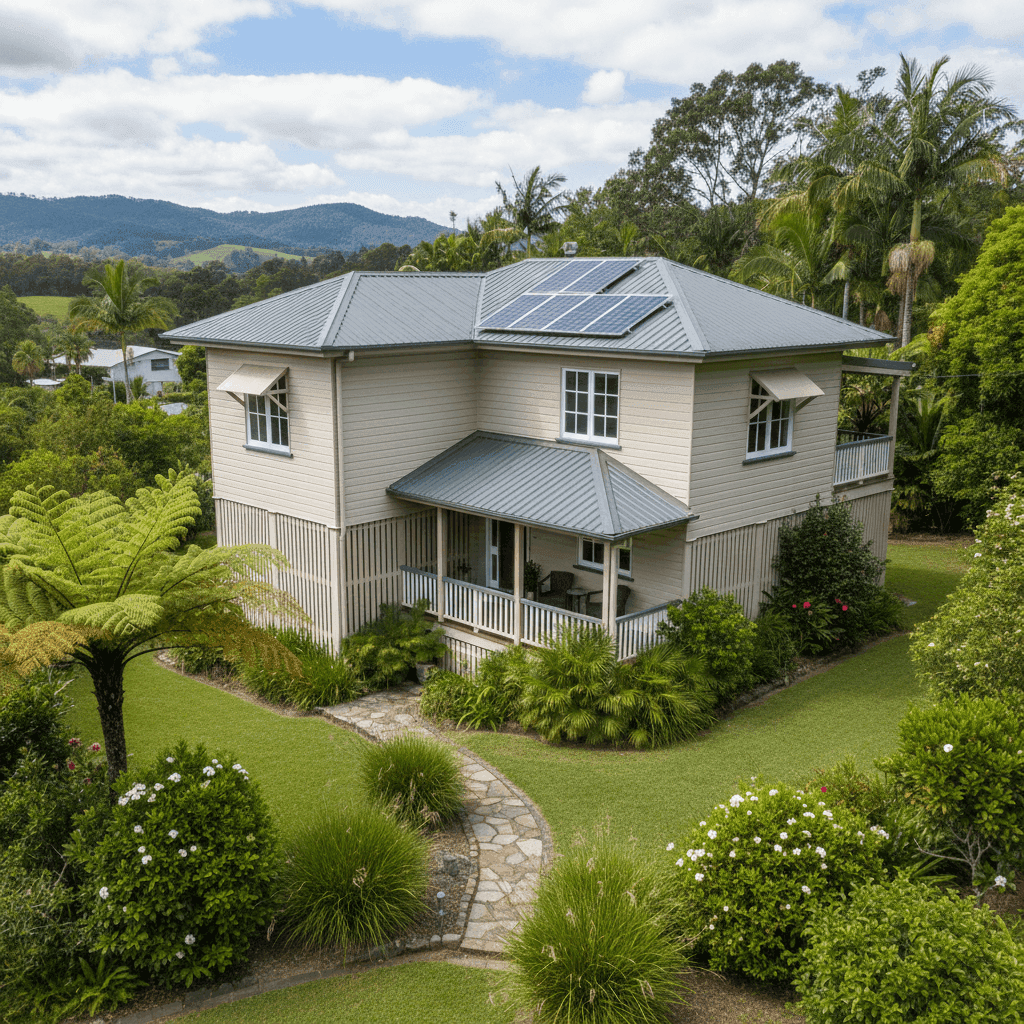
Nestled on the Atherton Tablelands in Far North Queensland, Atherton (postcode 4883) is a well-established regional town known for its lush surrounds and cooler highland climate. If you own a free standing home here — particularly an older weatherboard property — understanding what you should be paying for home insurance is an important step in protecting one of your biggest assets. This article breaks down a real home and contents insurance quote for a 3-bedroom home in Atherton and puts the numbers in context.
---
Is This Quote Fair?
The quote in question comes in at $1,879 per year (or $188/month) for combined home and contents cover, with a building sum insured of $743,000 and contents valued at $100,000. The building excess is $2,000 and the contents excess is $1,000.
Our price rating for this quote is FAIR — Around Average, and the data backs that up. Based on 71 quotes collected for the Atherton 4883 area, the suburb average sits at $2,436/year and the median at $2,520/year. This quote lands comfortably below both figures, which is a positive sign — though it's worth noting it sits above the suburb's 25th percentile of $1,512/year, meaning roughly a quarter of comparable properties are insured for less.
In short, this isn't a bargain-basement price, but it's also meaningfully below what many Atherton homeowners are paying. There may be room to improve, but there's no immediate cause for alarm.
---
How Atherton Compares
One of the most striking aspects of this quote is just how well Atherton performs relative to broader benchmarks — particularly at the state level.
| Benchmark | Premium |
|---|---|
| This quote | $1,879/yr |
| Atherton suburb average | $2,436/yr |
| Atherton suburb median | $2,520/yr |
| QLD state average | $4,547/yr |
| QLD state median | $3,931/yr |
| National average | $2,965/yr |
| National median | $2,716/yr |
| Tablelands LGA average | $7,937/yr |
The Queensland state average of $4,547/year is more than double this quote — a stark reminder of just how expensive home insurance has become across much of the Sunshine State, driven largely by extreme weather exposure in coastal and flood-prone regions. The national average of $2,965/year also sits well above this quote.
Perhaps the most eye-opening figure is the Tablelands LGA average of $7,937/year. This is significantly higher than the suburb-level data for Atherton itself, suggesting that other parts of the Tablelands regional area — potentially lower-lying or more flood-exposed localities — are dragging that LGA figure upward considerably. Atherton township, sitting at around 750 metres above sea level, appears to benefit from its elevated position when it comes to premium pricing.
---
Property Features That Affect Your Premium
Several characteristics of this property have a direct bearing on the premium quoted. Understanding them helps you make sense of the pricing — and potentially identify ways to adjust your cover.
Weatherboard Timber Construction
The external walls are weatherboard wood, which is a common material in homes built during the mid-20th century. Timber-framed homes are generally considered higher risk by insurers compared to brick or concrete construction, as they are more susceptible to fire, termite damage, and general wear over time. This is likely contributing to a moderately elevated premium.
Age of the Property
Built in 1960, this home is over 60 years old. Older homes can attract higher premiums due to the increased likelihood of aged plumbing, wiring, and structural components requiring repair or replacement. The $743,000 building sum insured reflects the cost to rebuild — not the market value — and for a 205 sqm home of this era, that figure seems reasonable.
Stumped Foundation
The home sits on stumps, which is a traditional and practical foundation style in Queensland. While stump foundations allow for ventilation and are well-suited to the local climate, they can be a factor insurers assess when evaluating structural risk and accessibility for repairs.
Cyclone Risk Area
Atherton is classified as a cyclone risk area, which is a significant pricing factor for any property in Far North Queensland. Even though the town's inland, elevated location offers some natural protection compared to coastal communities, insurers still apply cyclone loading to properties in this region. This is one of the primary reasons Queensland premiums are so much higher than the national average.
Solar Panels
This property has solar panels, which are now a common feature but do add a layer of complexity to building insurance. Panels are typically covered under the building policy, but it's worth confirming with your insurer that they're included in your sum insured and that any potential damage — including storm or hail impact — is covered.
Timber and Laminate Flooring
The timber and laminate flooring is worth factoring into your contents or building cover, depending on how your policy categorises it. Timber floors can be costly to repair or replace following water damage or impact events, so ensuring your sum insured is adequate is important.
---
Tips for Homeowners in Atherton
1. Review Your Building Sum Insured Annually
Construction costs have risen significantly in recent years across regional Queensland. A sum insured that was adequate two or three years ago may no longer reflect the true cost to rebuild your home. Use a building cost calculator or speak with a local builder to sense-check your figure each year.
2. Ask About Cyclone Mitigation Discounts
Some insurers offer premium reductions for homes that have been cyclone-proofed or upgraded to meet current building standards. If your home has had roof strapping, reinforced connections, or other structural improvements, it's worth asking whether these qualify for a discount.
3. Consider Your Excess Strategy
This quote carries a $2,000 building excess and a $1,000 contents excess. Opting for a higher voluntary excess is one of the most straightforward ways to reduce your annual premium — but make sure you can comfortably cover that amount out of pocket in the event of a claim.
4. Compare Quotes Regularly
Insurance loyalty rarely pays off. Insurers frequently offer better rates to new customers, and the market changes year to year. Even if your current quote seems reasonable, it's worth shopping around at renewal time to ensure you're getting competitive pricing for your specific property.
---
Ready to Compare?
Whether you're reviewing your existing policy or shopping for cover for the first time, comparing quotes is the smartest move you can make. At CoverClub, you can get a home and contents quote tailored to your property in Atherton and see how it stacks up against real data from your suburb and beyond. It takes just a few minutes and could save you hundreds of dollars a year.