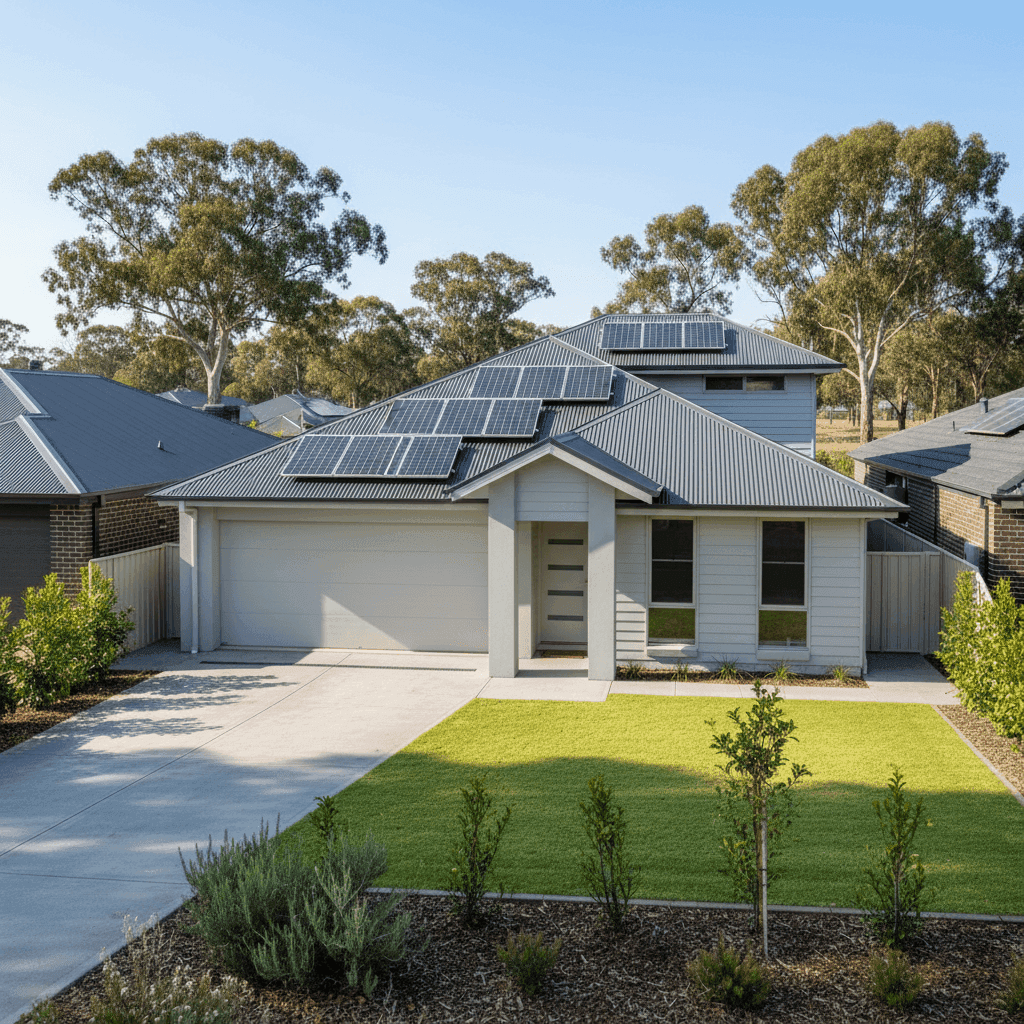
If you own a free standing home in Attwood, VIC 3049, you're probably curious about what a fair home insurance premium looks like — and whether the quote sitting in your inbox is worth accepting. This article breaks down a real home and contents insurance quote for a four-bedroom, two-bathroom property in Attwood, comparing it against local, state, and national benchmarks so you can make a genuinely informed decision.
---
Is This Quote Fair?
The short answer: yes — and then some.
The quote in question comes in at $1,903 per year (or roughly $186 per month) for combined home and contents cover, with a building sum insured of $750,000 and contents valued at $70,000. Our pricing model rates this as CHEAP — below average for this type of property and coverage level.
To put that in perspective, the Victorian state average for home insurance sits at $2,921 per year, with a median of $2,694. That means this quote is approximately $1,018 cheaper than the average Victorian policyholder pays — a saving of around 35%. Nationally, the picture is similar: the national average is $2,965 per year, with a median of $2,716, placing this quote well below what most Australians are forking out for comparable cover.
For a property of this size and specification — 214 sqm, top-of-the-range fittings, solar panels, and ducted climate control — securing cover at this price point represents genuine value.
---
How Attwood Compares
Suburb-level data for Attwood (3049) isn't yet available in our database, but the Local Government Area (LGA) of Hume provides a useful reference point. The Hume LGA average premium is $1,919 per year — remarkably close to this quote, suggesting the pricing is well-calibrated for the area.
Here's how the numbers stack up at a glance:
| Benchmark | Annual Premium |
|---|---|
| This Quote | $1,903 |
| Hume LGA Average | $1,919 |
| VIC State Average | $2,921 |
| VIC State Median | $2,694 |
| National Average | $2,965 |
| National Median | $2,716 |
Attwood sits within the City of Hume in Melbourne's northern suburbs — a predominantly residential area with relatively low natural disaster risk. It's not in a designated cyclone risk zone, flood-prone corridor, or bushfire-prone belt, all of which tend to push premiums significantly higher in other parts of Victoria and Australia. This lower-risk profile is a key reason why premiums in this pocket of Melbourne remain competitive.
---
Property Features That Affect Your Premium
Several characteristics of this property play a meaningful role in how the insurer has priced the risk. Here's what's working in the homeowner's favour — and what to keep in mind.
Construction Materials
The home features Hardiplank/Hardiflex external walls and a steel/Colorbond roof — both considered durable, low-maintenance materials that insurers generally view favourably. Colorbond roofing in particular is resistant to corrosion, fire, and extreme weather, which can contribute to lower premiums compared to older materials like terracotta tiles or weatherboard.
Slab Foundation
A concrete slab foundation is standard for homes built in this era and is generally associated with structural stability. Unlike homes on stumps or piers, slab foundations carry a lower risk of subsidence-related claims, which can be a factor in premium calculations.
Flooring: Timber and Laminate
Timber and laminate flooring is a common feature in mid-to-high-end Australian homes. While aesthetically desirable, these materials can be costly to repair or replace following water damage events — which is partly reflected in the contents and building sum insured figures.
Top-of-the-Range Fittings
The property is fitted with top-of-the-range fixtures and fittings, which justifies the $750,000 building sum insured. Underinsuring a premium-fit home is a common and costly mistake — if a claim arises, insurers will only pay to the sum insured, meaning homeowners with high-quality finishes should ensure their coverage reflects true replacement cost.
Solar Panels
Solar panels are listed as a feature of this property. It's worth confirming with your insurer that rooftop solar is explicitly covered under your building policy, as some policies treat panels as a separate item or apply specific sub-limits. Given the cost of modern solar systems — often $8,000–$15,000 or more — this is an important detail to clarify.
Ducted Climate Control
Ducted heating and cooling systems are a significant fixed asset and should be covered under the building policy. These systems can be expensive to repair or replace, so confirming they're included in your sum insured is worthwhile.
Year Built: 2010
A home constructed in 2010 benefits from modern building codes, which generally mandate higher standards for structural integrity, fire resistance, and energy efficiency. Newer builds tend to attract lower premiums than older homes with potentially outdated wiring, plumbing, or materials.
---
Tips for Homeowners in Attwood
Whether you're reviewing an existing policy or shopping around for the first time, here are four practical steps to make the most of your home insurance.
1. Check your solar panels are fully covered Don't assume your rooftop solar system is automatically included in your building cover. Ask your insurer directly whether panels are covered for accidental damage, storm damage, and theft — and whether there's a sub-limit that might leave you underinsured.
2. Review your sum insured annually Building costs have risen sharply across Victoria in recent years. A sum insured that was accurate two or three years ago may no longer reflect the true cost of rebuilding your home. Use a building cost calculator or speak with a quantity surveyor to ensure your $750,000 figure still holds up.
3. Consider your excess settings carefully This policy carries a $2,000 building excess and a $1,000 contents excess. A higher excess typically reduces your premium, but make sure you're comfortable covering that amount out of pocket in the event of a claim. If cash flow is a concern, a lower excess — even at a slightly higher premium — may offer better peace of mind.
4. Bundle and compare Home and contents cover bundled together (as in this quote) often delivers better value than purchasing them separately. That said, it's still worth comparing quotes across multiple insurers to ensure you're not leaving savings on the table — even when your current premium looks competitive.
---
Ready to Compare?
Whether this quote is your benchmark or your starting point, it pays to see what else is on the market. At CoverClub, you can compare home and contents insurance quotes from a range of Australian insurers in minutes. Get a quote today and find out if you could be paying even less for the same level of protection.