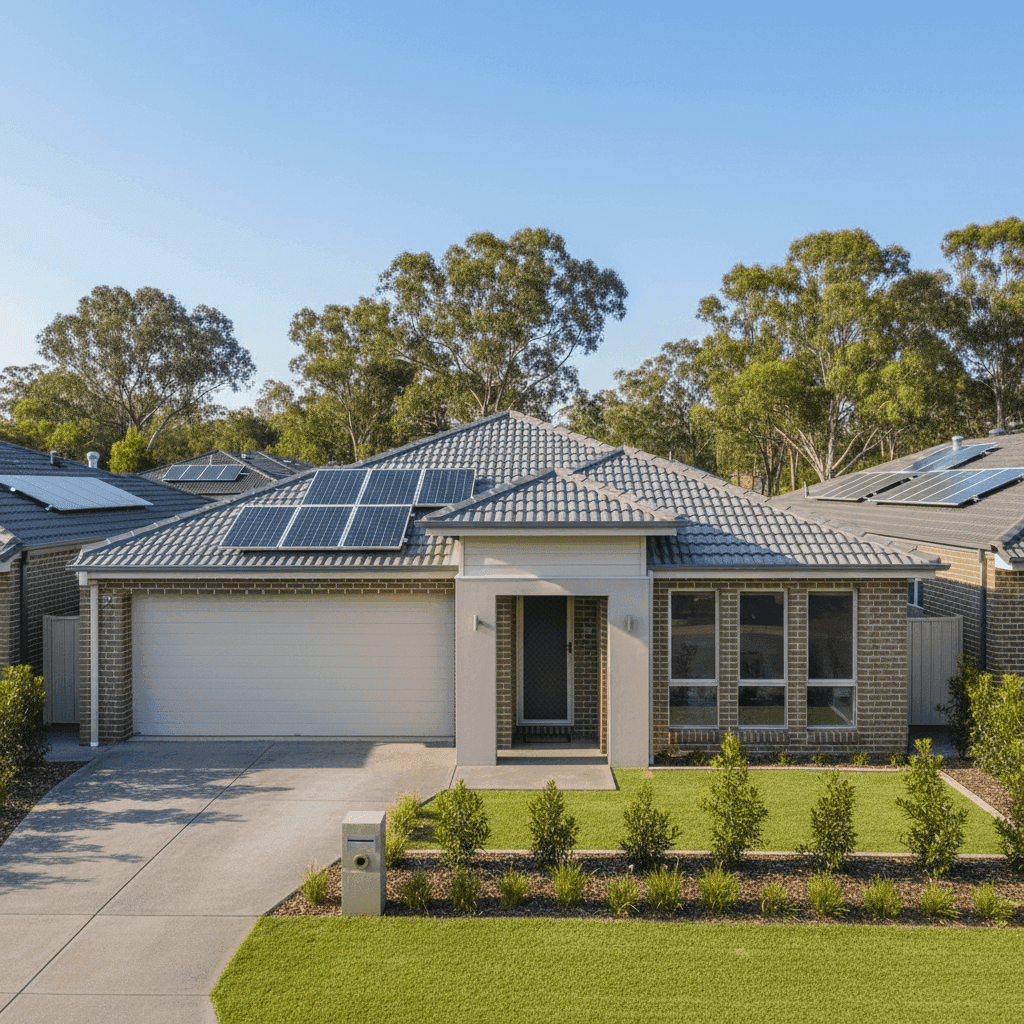
Augustine Heights is a modern residential suburb nestled in the City of Ipswich, roughly 35 kilometres south-west of Brisbane's CBD. Known for its relatively new housing stock and family-friendly streets, it's an increasingly popular destination for homeowners seeking value within Greater Brisbane. This article breaks down a real building-only insurance quote for a free-standing home in the area — and puts the numbers into context so you know exactly what to make of it.
---
Is This Quote Fair?
The short answer: yes — and then some.
This quote came in at $1,114 per year (or around $110 per month) for building-only cover on a free-standing home insured for $505,000, with a $3,000 building excess. CoverClub's pricing engine rates this as CHEAP — Below Average, meaning it sits comfortably below what most homeowners in Augustine Heights are paying.
To put that in perspective, the suburb's average annual premium across 55 quotes sits at $1,911, with a median of $1,976. Even the 25th percentile — the cheapest quarter of quotes in the suburb — comes in at $1,252 per year. This quote beats that benchmark too, landing below the most competitive tier in the local market.
For a relatively new home with solid construction, that's a strong result. If you've received a quote in this range, it's worth locking in — but it's always wise to compare before you commit.
---
How Augustine Heights Compares
One of the most striking things about this quote is just how well Augustine Heights performs relative to the broader insurance landscape.
| Benchmark | Annual Premium |
|---|---|
| This Quote | $1,114 |
| Suburb Average (Augustine Heights) | $1,911 |
| Suburb Median | $1,976 |
| QLD State Average | $4,547 |
| QLD State Median | $3,931 |
| National Average | $2,965 |
| National Median | $2,716 |
| LGA Average (Ipswich) | $8,901 |
The figures tell a compelling story. Queensland homeowners, on average, pay significantly more than the national average — largely driven by the state's exposure to extreme weather events, including flooding, storms, and cyclones in northern regions. The QLD state average of $4,547/yr is more than 53% above the national average of $2,965/yr.
What makes Augustine Heights stand out is that its suburb average of $1,911/yr is dramatically lower than both the state and LGA figures. The Ipswich LGA average of $8,901 per year is eye-watering by comparison — a figure likely skewed by flood-affected suburbs within the same local government area. Augustine Heights, being a newer development built on higher ground, appears to attract considerably lower risk ratings from insurers.
This quote, at $1,114, sits 42% below the suburb average and 76% below the Queensland state average. That's an exceptional outcome.
---
Property Features That Affect Your Premium
Several characteristics of this property work in the homeowner's favour when it comes to pricing:
Construction Year (2020) Newer homes are generally cheaper to insure. A home built in 2020 benefits from modern building codes, better materials, and up-to-date engineering standards. Insurers view newer builds as lower risk for structural failure and fire damage.
Brick Veneer Walls & Tiled Roof Brick veneer is one of the most common and insurer-friendly wall types in Australia. It's durable, fire-resistant, and widely understood by insurers. Combined with a tiled roof — another resilient and low-maintenance option — this property sits in a favourable construction category.
Slab Foundation A concrete slab foundation is standard for modern Queensland homes and presents minimal underfloor risk. It's a straightforward construction type that doesn't attract the same scrutiny as raised timber stumps or older pier-and-beam foundations.
Timber/Laminate Flooring While timber and laminate floors can be more costly to replace than carpet, they're a common feature in contemporary homes and generally well-accounted for in standard building policies.
Solar Panels This is worth noting: the property has solar panels installed. Solar panels are typically covered under building insurance in Australia, but it's important to confirm this with your insurer. Some policies cover them as part of the building structure; others may require a specific endorsement. Always check the Product Disclosure Statement (PDS).
Ducted Climate Control Ducted air conditioning systems are a fixed part of the building and should be included in your building sum insured. At $505,000, the sum insured here appears appropriate for a 139 sqm home with quality inclusions — though it's worth reviewing this figure periodically as construction costs rise.
No Pool, No Cyclone Risk Zone The absence of a swimming pool removes a common liability consideration, and Augustine Heights falls outside Queensland's designated cyclone risk areas — a meaningful factor in keeping premiums lower than many other parts of the state.
---
Tips for Homeowners in Augustine Heights
1. Review your sum insured annually Construction costs in South-East Queensland have risen sharply in recent years. A sum insured of $505,000 for a 139 sqm home may be appropriate today, but it's worth recalculating your rebuild cost each year to avoid being underinsured. Tools like the Cordell Sum Sure calculator can help.
2. Confirm solar panel coverage in your PDS Solar panels represent a meaningful investment — often $8,000–$15,000 or more. Don't assume they're automatically covered. Read your policy's Product Disclosure Statement carefully, or call your insurer directly to confirm.
3. Consider a higher excess to lower your premium further This quote already carries a $3,000 building excess. If you have the financial buffer to absorb a larger out-of-pocket cost in the event of a claim, opting for a higher excess can reduce your annual premium meaningfully. Just make sure the excess is genuinely manageable for you.
4. Compare quotes before renewal Even a great quote can be beaten. Insurers adjust their pricing models regularly, and loyalty doesn't always pay. Using a comparison platform like CoverClub at renewal time takes only a few minutes and could save you hundreds of dollars each year.
---
Compare Your Own Quote
Whether you're a first-time buyer in Augustine Heights or a long-term homeowner wondering if you're overpaying, CoverClub makes it easy to see where your premium sits relative to your neighbours. Enter your address at coverclub.com.au to get an instant comparison and find out if your current insurer is giving you a fair deal.