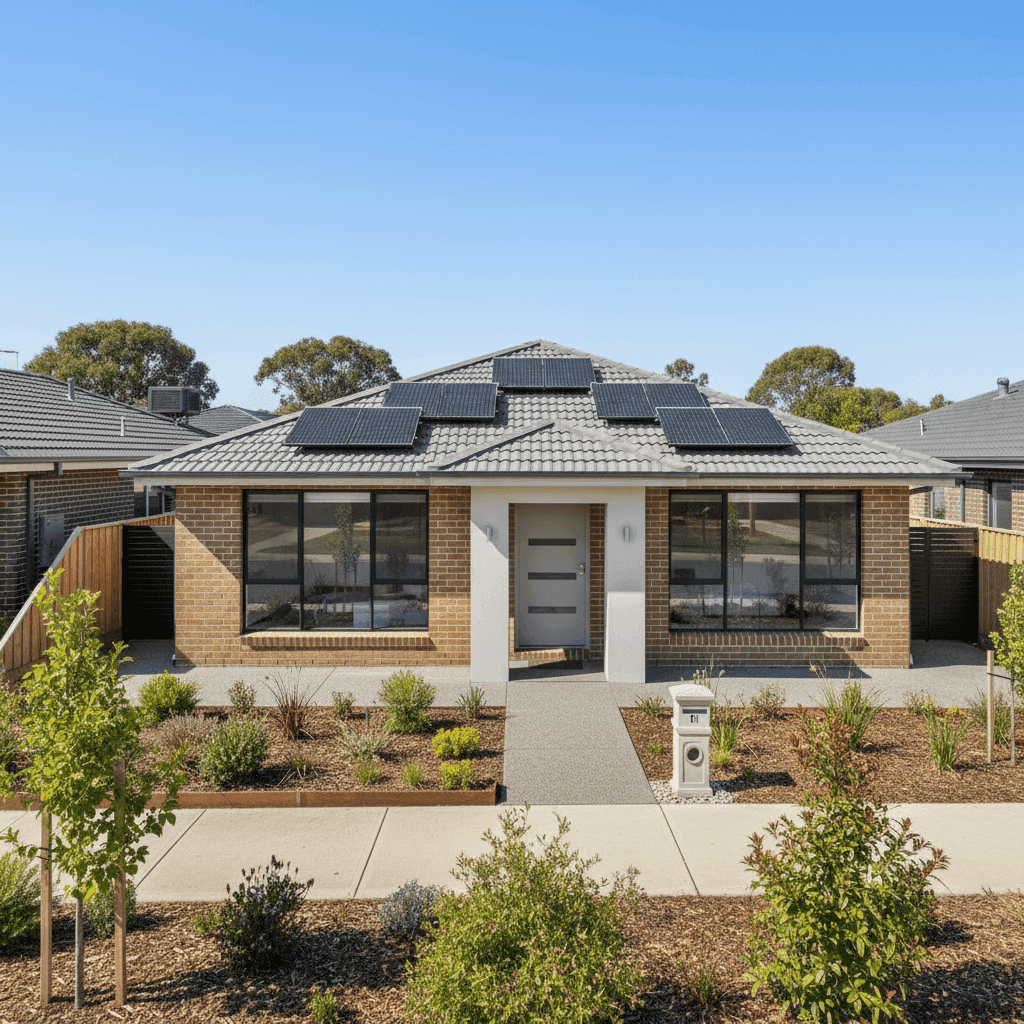
If you own or are buying a free standing home in Austral, NSW 2179, you're probably wondering what home insurance should realistically cost you. Located in Sydney's south-western growth corridor within the Camden LGA, Austral is one of the region's newer residential communities — and that relative newness has a meaningful impact on what insurers charge. This article breaks down a real home and contents insurance quote for a four-bedroom property in the suburb, compares it against local, state, and national benchmarks, and offers practical tips to help you get the best value cover.
---
Is This Quote Fair?
The quote in question comes in at $1,337 per year (or roughly $128 per month) for combined home and contents cover — $719,000 in building sum insured and $70,000 in contents. CoverClub rates this quote as CHEAP, meaning it sits below the suburb average.
To put that in perspective:
- The suburb average for Austral is $1,903/yr, and the median sits at $1,747/yr
- Even the 25th percentile — meaning only 25% of quotes are cheaper — is $1,411/yr
- This quote, at $1,337/yr, falls below that 25th percentile threshold, placing it firmly in the most competitive tier of pricing available locally
So yes — by any reasonable measure, this is a strong result. The homeowner is paying around $566 less per year than the suburb average, which compounds to meaningful savings over time. Compared to the Camden LGA average of $1,946/yr, the saving is even more pronounced.
That said, it's worth noting that both the building excess and contents excess are set at $5,000 each — higher than typical. This is likely one of the levers pulling the premium down, so homeowners should factor in out-of-pocket costs if a claim arises.
---
How Austral Compares
Zooming out reveals just how favourably Austral is positioned from an insurance cost perspective. You can explore the full data on the Austral suburb insurance stats page.
| Benchmark | Annual Premium |
|---|---|
| This quote | $1,337 |
| Austral suburb average | $1,903 |
| Austral suburb median | $1,747 |
| Camden LGA average | $1,946 |
| NSW state average | $9,528 |
| NSW state median | $3,770 |
| National average | $5,347 |
| National median | $2,764 |
The NSW state average of $9,528/yr is dramatically higher than what Austral homeowners typically pay — largely because that figure is skewed upward by high-risk coastal and flood-prone areas across the state. The national average of $5,347/yr tells a similar story, pulled up by cyclone-exposed properties in Queensland and WA, as well as bushfire-prone regions.
Austral's relatively low premiums reflect its inland suburban character, newer housing stock, and lower exposure to the extreme weather events that drive up costs elsewhere. It's a genuinely affordable suburb to insure — and this quote captures that advantage well.
---
Property Features That Affect Your Premium
Several characteristics of this particular property work in the homeowner's favour when it comes to insurance pricing.
Brand new construction (2025): Newly built homes are among the easiest for insurers to price favourably. Modern construction must comply with current building codes, which means better structural integrity, improved fire resistance, and up-to-date electrical and plumbing systems. There's no legacy risk of ageing materials or deferred maintenance.
Brick veneer external walls: Brick veneer is one of the most common and well-regarded wall constructions in Australian suburbia. It offers solid fire resistance and durability, and insurers generally view it positively compared to timber weatherboard or other materials more susceptible to fire or moisture damage.
Tiled roof: Terracotta or concrete tiles are a standard, durable roofing choice that performs well in most Australian climates. Unlike Colorbond or corrugated iron, tiles are considered a lower-risk roofing material by many insurers — though they can be more expensive to repair after hail damage.
Concrete slab foundation: A slab foundation is standard for modern builds and carries no particular insurance loading. It's a neutral-to-positive factor.
Solar panels: This property has solar panels installed, which is increasingly common across new builds in south-western Sydney. Most home insurance policies will cover rooftop solar panels as part of the building sum insured — but it's worth confirming this with your insurer, as some policies treat them as an optional extra or require them to be specifically listed.
Ducted climate control: Ducted air conditioning systems are a significant fixed asset, and their replacement cost should be factored into your building sum insured. At $719,000, this property's sum insured appears calibrated for a well-appointed modern home, which is appropriate.
No pool, no cyclone risk zone: The absence of a swimming pool removes a common liability and maintenance risk factor. Being outside a designated cyclone risk area also keeps premiums lower — a meaningful advantage over properties in northern Queensland or parts of WA.
---
Tips for Homeowners in Austral
1. Review your excess carefully before settling on a policy This quote carries a $5,000 excess on both building and contents — which is on the higher end. While it reduces your annual premium, it means you'll need to cover the first $5,000 of any claim yourself. Consider whether a slightly higher premium with a lower excess (say, $1,000–$2,500) might better suit your financial situation.
2. Confirm solar panel coverage in writing Solar panel systems can cost $8,000–$20,000 or more to replace. Before signing any policy, ask your insurer explicitly whether rooftop solar panels are included under the building sum insured and whether damage from events like hail or storm is covered. Don't assume — get it confirmed in the Product Disclosure Statement (PDS).
3. Reassess your contents value annually $70,000 in contents cover is a reasonable starting point for a four-bedroom home, but it's easy to underestimate. New appliances, furniture, electronics, and personal items accumulate quickly. An annual review — particularly after major purchases — helps ensure you're not underinsured when it matters most.
4. Shop the market at renewal time Insurance loyalty rarely pays off in Australia. Premiums can shift significantly between insurers year to year, and many providers offer new-customer discounts that aren't extended to existing policyholders. Using a comparison platform like CoverClub at renewal time takes just a few minutes and can surface meaningful savings.
---
Compare Your Own Quote
Whether you're insuring a new build in Austral or reassessing your current policy, it pays to see what the broader market is offering. CoverClub makes it easy to compare home and contents quotes side by side — so you can be confident you're getting genuine value, not just a number that sounds reasonable.