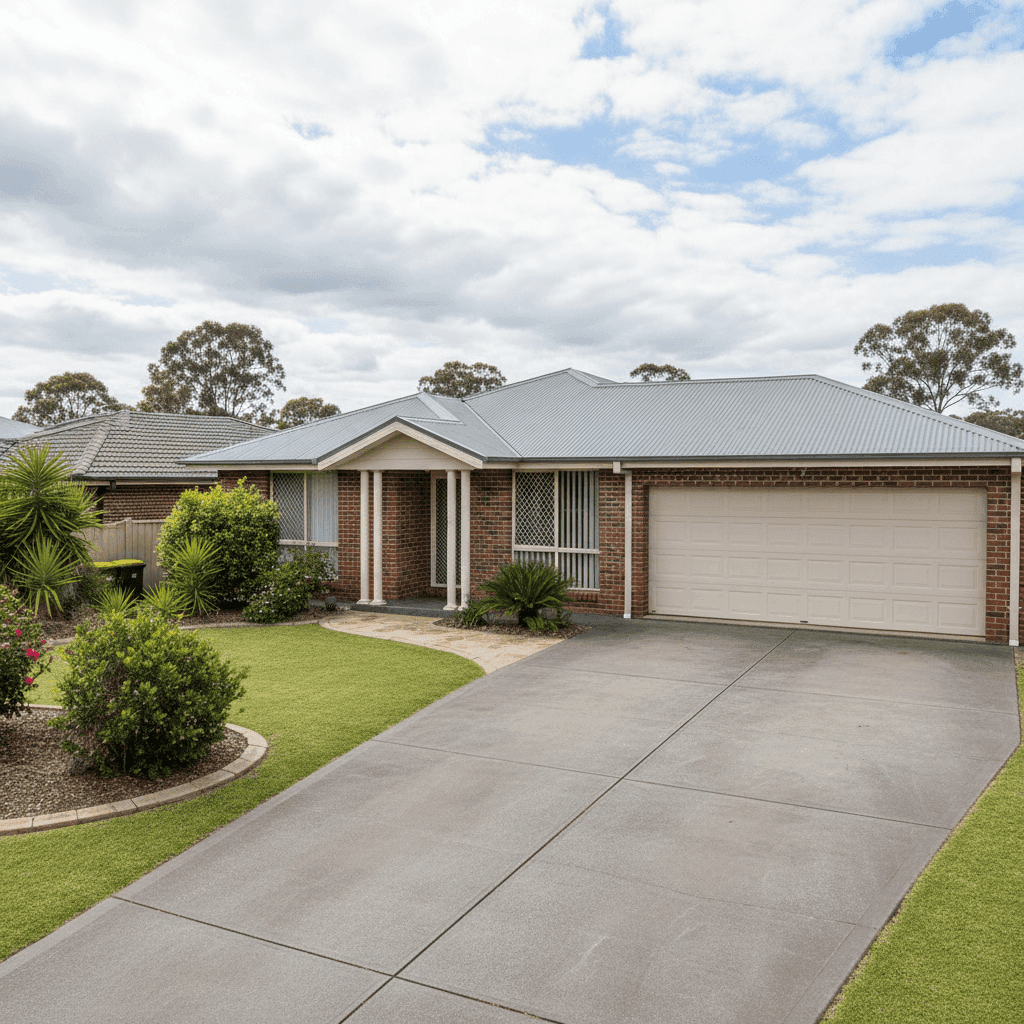
A four-bedroom, two-bathroom free standing home in Avoca, QLD 4670 recently received a home and contents insurance quote of $1,441 per year — or about $146 per month. With a building sum insured of $639,000 and $50,000 in contents cover, this quote sits firmly in the "Cheap" category relative to what other homeowners in the area are paying. So what's driving that result, and what does it mean for you as a homeowner in Avoca? Let's break it down.
---
Is This Quote Fair?
In short — yes, and then some. At $1,441 annually, this premium comes in significantly below what most comparable properties in the suburb attract. The suburb average for Avoca (QLD 4670) sits at $3,190 per year, with a median of $2,858. That means this quote is roughly 55% cheaper than the average and well beneath even the 25th percentile of $2,326 — meaning it's cheaper than at least 75% of quotes collected in the area.
From a state perspective, the picture is even more striking. The Queensland state average for home insurance is $4,547 per year, reflecting the elevated risk profile that comes with insuring properties across a cyclone-prone, flood-affected state. This quote is less than a third of that figure.
Nationally, the average home insurance premium across Australia is $2,965 per year, with a median of $2,716. Even by that benchmark, this quote is exceptionally competitive — coming in at less than half the national average.
For a homeowner in Avoca, this represents genuine value. The combination of property characteristics, location factors, and the insurer's pricing model has produced a premium that would be difficult to beat in the current market.
---
How Avoca Compares
To put the numbers in perspective:
| Benchmark | Annual Premium |
|---|---|
| This Quote | $1,441 |
| Avoca Suburb Average | $3,190 |
| Avoca Suburb Median | $2,858 |
| Avoca 25th Percentile | $2,326 |
| Avoca 75th Percentile | $3,746 |
| QLD State Average | $4,547 |
| National Average | $2,965 |
| National Median | $2,716 |
It's worth noting that the suburb sample size here is 15 quotes, which is a reasonable dataset but not enormous. Premiums in Avoca can vary considerably depending on the specific insurer, the property's construction, and individual risk factors — so it always pays to shop around rather than accepting the first quote you receive.
Queensland as a whole carries some of the highest home insurance costs in the country, largely due to the state's exposure to cyclones, flooding, and severe storms. Avoca, located in the Bundaberg region, sits outside the designated cyclone risk zone, which is a meaningful factor in keeping premiums lower than coastal or far-north Queensland properties.
---
Property Features That Affect Your Premium
Several characteristics of this particular property work in its favour from an insurance pricing standpoint:
Brick Veneer Construction Brick veneer external walls are generally viewed favourably by insurers. While not as robust as full double-brick, brick veneer offers solid fire resistance and structural durability compared to timber or lightweight cladding. This can translate to lower premiums.
Steel/Colorbond Roof A Colorbond steel roof is one of the most insurer-friendly roofing materials available in Australia. It's highly durable, resistant to fire and wind, and requires less maintenance than older tile or fibrous cement roofing. Insurers typically reward this with more competitive pricing.
Concrete Slab Foundation Slab foundations are considered low-risk in most Australian conditions. They offer stability, are less susceptible to termite ingress than raised timber floors, and don't carry the same movement risks as some other foundation types.
Tile Flooring Tiled flooring throughout is another plus. Tiles are resistant to water damage and don't carry the same replacement cost as timber or carpet in the event of a claim — which can influence both the sum insured calculation and the insurer's risk assessment.
No Pool, No Solar, No Ducted Climate Control Each of these features — while desirable in a home — can add complexity and cost to an insurance policy. The absence of all three simplifies the risk profile and helps keep the premium lean.
Built in 1995 A home built in the mid-1990s sits in a reasonable sweet spot. It's old enough to have settled well, but young enough to have been built under relatively modern construction standards. Homes of this era typically don't carry the same unknown risks as pre-1980s properties.
Standard Fittings Standard-quality fittings mean the cost to repair or replace internal fixtures is more predictable and modest compared to high-end or custom fittings. This is reflected in a lower sum insured and, consequently, a lower premium.
---
Tips for Homeowners in Avoca
Whether you're reviewing your existing policy or shopping for the first time, here are some practical steps to make sure you're getting the best value:
- Don't over-insure — or under-insure — your building. The $639,000 building sum insured on this quote should reflect the full cost to rebuild your home from scratch, not its market value. Use a building cost calculator or speak to a quantity surveyor to make sure your figure is accurate. Over-insuring wastes money; under-insuring can leave you badly exposed at claim time.
- Review your contents value annually. $50,000 in contents cover is on the modest side for a four-bedroom home. Take stock of your furniture, appliances, clothing, and valuables. If your contents are worth significantly more, you could find yourself out of pocket after a burglary or fire.
- Understand your excess structure. This policy carries a $4,000 building excess and a $1,000 contents excess. A higher excess is one of the most effective ways to reduce your premium — but make sure you'd genuinely be able to cover that cost if you needed to make a claim. If $4,000 would be a stretch, it may be worth paying a slightly higher premium for a lower excess.
- Compare quotes at renewal time. Even if you're happy with your current insurer, the home insurance market is competitive and pricing can shift significantly year to year. Running a comparison before your renewal date takes only a few minutes and could save you hundreds of dollars.
---
Ready to Compare Your Own Quote?
Whether you own a home in Avoca or anywhere else in Australia, CoverClub makes it easy to see how your premium stacks up and find a better deal. Get a home insurance quote at CoverClub and compare your options in minutes — no jargon, no pressure, just clear information to help you make a confident decision.