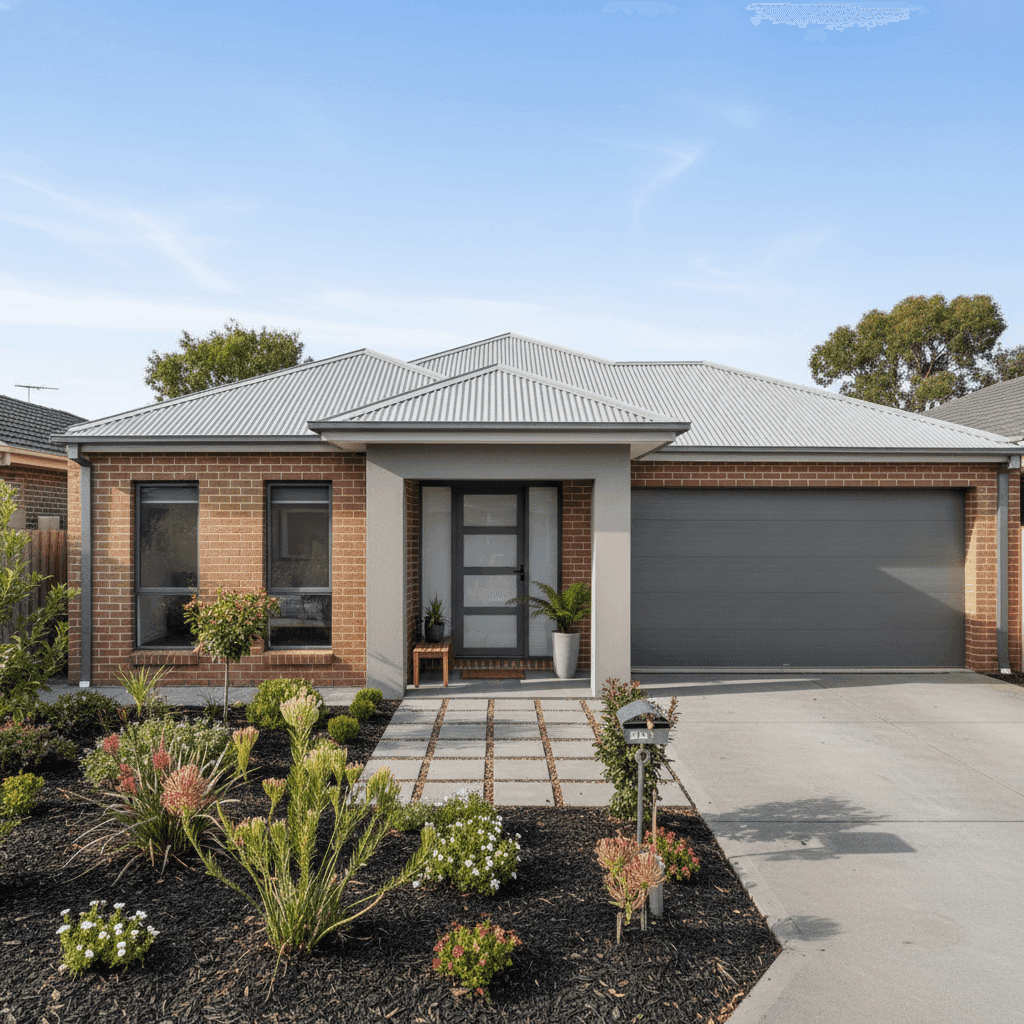
Home insurance costs can vary enormously depending on where you live, what your property is made of, and how much cover you need. This article breaks down a real home and contents insurance quote for a four-bedroom free standing home in Avondale Heights, VIC 3034 — a leafy, established suburb in Melbourne's inner-west — and puts that figure into context against local, state, and national benchmarks.
---
Is This Quote Fair?
The annual premium for this property came in at $1,525 per year (or about $146 per month), covering a building sum insured of $614,000 and contents valued at $50,000, each with a $1,000 excess.
Our pricing analysis rates this quote as CHEAP — Below Average, which is genuinely good news for the homeowner. To put it plainly: this premium sits well below what most comparable properties in Avondale Heights are paying.
The suburb average for Avondale Heights sits at $2,062 per year, with a median of $2,083. That means this quote is roughly $537 cheaper than the typical policy in the same postcode — a saving of around 26%. Even against the suburb's 25th percentile (the cheapest quarter of quotes), which sits at $1,684, this premium still comes in lower.
For a homeowner on a budget, or simply someone who wants to know they're not being overcharged, this is a strong result.
---
How Avondale Heights Compares
It's worth zooming out to appreciate just how well-priced home insurance tends to be in this part of Melbourne.
| Benchmark | Annual Premium |
|---|---|
| This quote | $1,525 |
| Avondale Heights suburb average | $2,062 |
| Avondale Heights suburb median | $2,083 |
| Moonee Valley LGA average | $1,817 |
| Victoria state average | $3,000 |
| Victoria state median | $2,718 |
| National average | $5,347 |
| National median | $2,764 |
The contrast with national figures is striking. Australia's home insurance market has been under significant pressure in recent years, driven by extreme weather events, rising construction costs, and reinsurance pressures. The national average premium of $5,347 per year reflects the outsized impact of high-risk regions — particularly cyclone-prone areas in Queensland and Northern Australia, and flood-affected zones across New South Wales and Victoria.
Avondale Heights, sitting comfortably in Melbourne's established inner-west, benefits from relatively low natural hazard exposure. There's no cyclone risk, and the suburb's elevation and urban infrastructure generally limit flood and storm damage risk compared to more vulnerable Victorian postcodes. This is clearly being priced in by insurers.
Even within Victoria, where the state average of $3,000 is elevated by bushfire-prone regional areas and flood-affected towns, Avondale Heights comes in well below the norm. The Moonee Valley LGA average of $1,817 further confirms that this pocket of Melbourne is considered a lower-risk area by the insurance market.
---
Property Features That Affect Your Premium
Several characteristics of this particular property work in the homeowner's favour when it comes to pricing.
Brick veneer construction is one of the most insurance-friendly wall types in Australia. It offers solid fire resistance and structural durability, and insurers generally view it more favourably than timber weatherboard or fibre cement cladding. Combined with a steel Colorbond roof, which is highly durable, low-maintenance, and resistant to fire embers, this property presents a relatively low replacement risk profile.
The slab-on-ground foundation is also a positive factor. Slab foundations are common in post-war Melbourne suburban builds and are generally considered stable and cost-effective to repair compared to older pier-and-beam or bluestone foundations found in Victorian-era homes.
Tile flooring throughout the home is another modest premium-reducer — tiles are non-combustible, easy to replace, and don't contribute to fire spread the way carpet or timber floors might.
Built in 1995, the property sits in a sweet spot for insurers. It's modern enough to have been constructed under more rigorous building codes than homes from the 1960s or 70s, yet old enough that any construction defects would have long since surfaced and been addressed. This vintage typically attracts more competitive pricing than either very old homes or brand-new builds with unknown risk profiles.
The ducted climate control system adds some value to the contents and building sum insured — these systems can be expensive to repair or replace — but at a $50,000 contents value, the overall exposure remains modest. The absence of a pool and solar panels also simplifies the risk profile, removing two common sources of additional liability and equipment cover.
At 214 square metres, this is a well-sized family home, and the $614,000 building sum insured reflects a reasonable per-square-metre rebuild cost for brick veneer construction in metropolitan Melbourne.
---
Tips for Homeowners in Avondale Heights
Even with a competitive premium, there are always ways to make sure you're getting the best value from your home insurance.
1. Review your sum insured regularly Construction costs in Melbourne have risen sharply over the past few years. The cost to rebuild a brick veneer home has increased significantly due to labour shortages and material price inflation. Make sure your $614,000 building sum insured still reflects current rebuild costs — your insurer may offer an online calculator, or you can use an independent quantity surveyor estimate.
2. Consider whether your contents value is adequate $50,000 in contents cover is on the lower end for a four-bedroom, two-bathroom home. If you've accumulated furniture, appliances, electronics, clothing, and personal items over the years, it's worth doing a room-by-room audit to check you're not underinsured. Underinsurance can leave you significantly out of pocket at claim time.
3. Ask about bundling discounts Many insurers offer discounts when you hold both building and contents cover with them — which this policy already does. If you also hold car insurance or life insurance with the same provider, it's worth asking whether a multi-policy discount applies.
4. Don't auto-renew without comparing Even if your current premium is already below the suburb average, the insurance market is competitive and pricing changes every year. Set a reminder to compare quotes at CoverClub before your renewal date — you might find an even better deal, or confirm that your current insurer is still the right choice.
---
Compare Your Own Quote
Whether you're a first-time buyer in Avondale Heights or a long-term homeowner wondering if your renewal premium is still competitive, CoverClub makes it easy to see where you stand. Get a home insurance quote today and compare it against real data from your suburb, your LGA, and across Victoria. You might be surprised how much you could save.