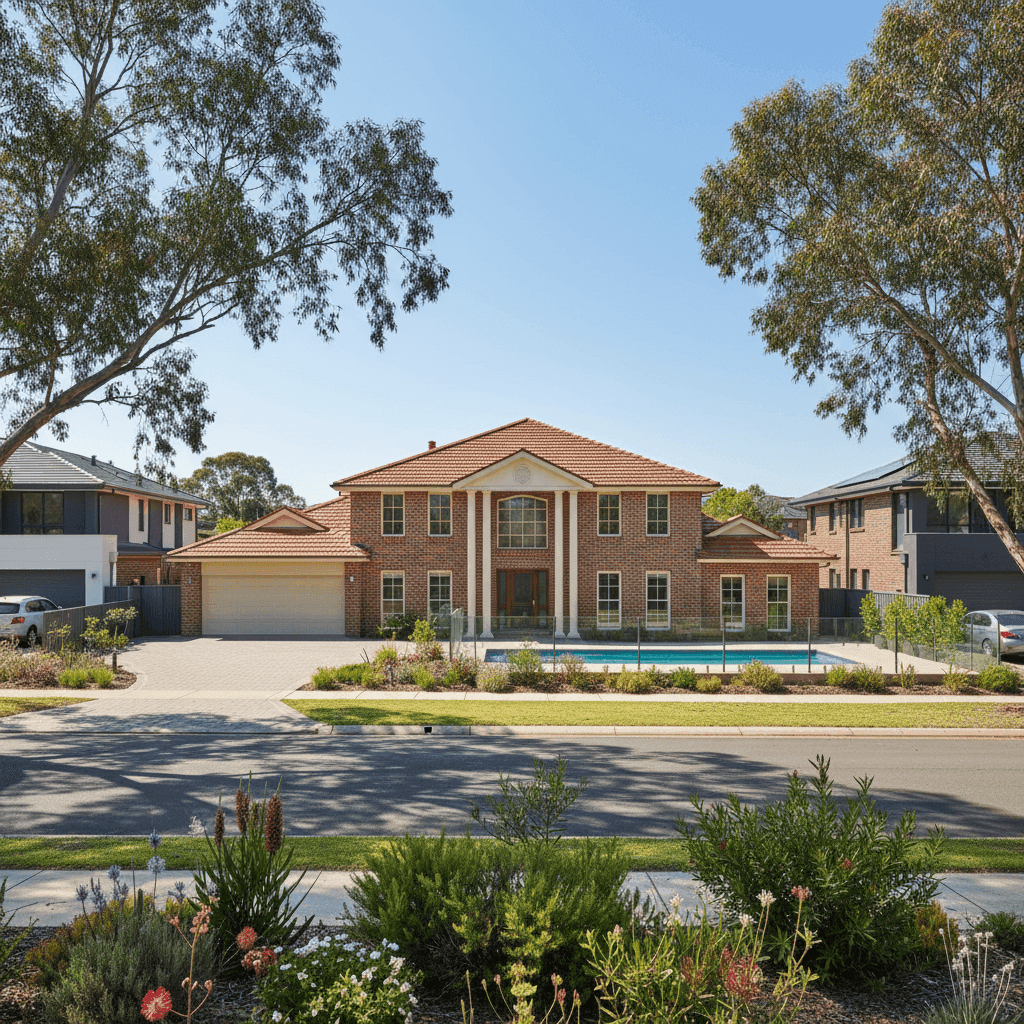
Avondale Heights is a well-established residential suburb in Melbourne's north-west, sitting within the Moonee Valley local government area. Known for its leafy streets, elevated blocks, and solid post-war housing stock, it's the kind of suburb where properties tend to be substantial — and where insuring them properly matters. This article takes a close look at a home and contents insurance quote for a six-bedroom, four-bathroom free-standing home in the area, breaking down whether the premium stacks up and what's driving the cost.
---
Is This Quote Fair?
The annual premium for this property comes in at $3,762 per year (or $360 per month), covering both building and contents. The building is insured for $1,899,000, with contents valued at $246,000 and a $1,000 excess applying to both.
Our price rating for this quote is Expensive (Above Average) — meaning it sits notably higher than what most comparable properties in Avondale Heights are paying.
To put that in perspective: the suburb average premium is around $2,062 per year, and the median sits at $2,083. This quote is roughly 82% above the suburb average, which is a significant gap. Even at the 75th percentile for the area — where premiums reach $2,502 — this quote still exceeds the upper range by a considerable margin.
That said, context matters. This is a large, high-value property with an above-average fittings quality, a swimming pool, ducted climate control, and a building sum insured of nearly $1.9 million. Insurers price risk based on replacement cost, not market value, and a 472 sqm double brick home with premium finishes will carry a meaningfully higher rebuild cost than a typical three-bedroom suburban house. The premium, while expensive relative to the suburb, reflects the scale and value of what's being covered.
---
How Avondale Heights Compares
When you zoom out beyond the suburb, the picture shifts considerably. Here's how this quote sits against broader benchmarks:
| Benchmark | Premium |
|---|---|
| This quote | $3,762/yr |
| Avondale Heights average | $2,062/yr |
| Avondale Heights median | $2,083/yr |
| Moonee Valley LGA average | $1,817/yr |
| VIC state average | $3,000/yr |
| VIC state median | $2,718/yr |
| National average | $5,347/yr |
| National median | $2,764/yr |
Compared to the Victorian state average of $3,000/yr, this quote is about 25% above the state norm — still elevated, but far less dramatic than the suburb comparison suggests. Against the national average of $5,347/yr, it's actually well below — a reminder that home insurance costs vary enormously across Australia, with high-risk regions like cyclone-prone Queensland and parts of northern WA pushing national averages up significantly.
It's also worth noting that the Avondale Heights suburb data is based on a sample of 19 quotes, which is a relatively modest dataset. The suburb average may skew lower because the sample includes smaller, lower-value properties — so direct comparisons should be taken as a guide rather than a definitive benchmark.
---
Property Features That Affect Your Premium
Several characteristics of this property have a direct bearing on the premium:
Size and sum insured: At 472 sqm with a building sum insured of $1,899,000, this is a large and high-value home. Rebuild costs drive premiums significantly — a higher sum insured means the insurer carries greater financial exposure, and that's reflected in the price.
Double brick construction: Double brick walls are generally viewed favourably by insurers. They offer strong structural integrity, good fire resistance, and durability — factors that can help moderate premiums compared to timber-framed homes. However, they can also be more expensive to repair or rebuild, which partly offsets those benefits.
Tiled roof: Terracotta or concrete tile roofs are a common choice on homes of this era and are generally considered a standard, low-risk roofing material. They hold up well in most weather conditions and don't attract the same premium loading as some alternative materials.
Stump foundation: Homes on stumps (also known as pier and beam foundations) are common in Victoria, particularly in older builds. They can be more susceptible to movement and subsidence over time, which some insurers factor into their risk assessments.
Swimming pool: A pool adds both value and liability. It increases the contents and structures sum insured, and in some policies, pool-related liability cover is a consideration. This feature will contribute to the overall premium.
Ducted climate control: Large-scale HVAC systems represent a significant replacement cost if damaged, and their presence in the home contributes to the overall contents and building valuation.
Construction year (1979): Homes built in the late 1970s can carry slightly higher risk profiles due to older electrical systems, plumbing, and building materials. Some insurers apply loadings for properties of this age, particularly if renovations haven't been declared.
Above-average fittings: Premium fixtures and finishes — think stone benchtops, quality cabinetry, high-end appliances — increase the cost to rebuild or replace, which flows directly into the sum insured and, consequently, the premium.
---
Tips for Homeowners in Avondale Heights
1. Review your sum insured carefully A building sum insured of $1,899,000 is substantial. Make sure this figure reflects the actual cost to rebuild — not the market value of the property. Overinsuring unnecessarily inflates your premium, while underinsuring leaves you exposed. Use a qualified quantity surveyor or an online rebuild calculator to validate the figure.
2. Compare quotes across multiple insurers Premiums for the same property can vary by hundreds — or even thousands — of dollars between insurers. The market is competitive, and a quote that seems expensive from one provider may look very different elsewhere. Compare quotes at CoverClub to see what other insurers are offering for your property.
3. Check what's included in your contents cover With $246,000 in contents, it's worth doing a proper home inventory to ensure that figure is accurate. Many homeowners either underestimate their contents value (leaving them underinsured) or forget to account for items like jewellery, artwork, or electronics that may need to be listed separately.
4. Ask about discounts for security and safety features Some insurers offer premium reductions for properties with monitored alarm systems, deadbolts, or smoke detectors. If your home has these features and they haven't been declared, it's worth checking whether they qualify for a discount.
---
Ready to Find a Better Rate?
Whether you're happy with your current insurer or looking to switch, it always pays to compare. CoverClub makes it easy to see how your premium stacks up and explore options from a range of Australian insurers. Get a home insurance quote today and make sure you're getting the right cover at the right price.