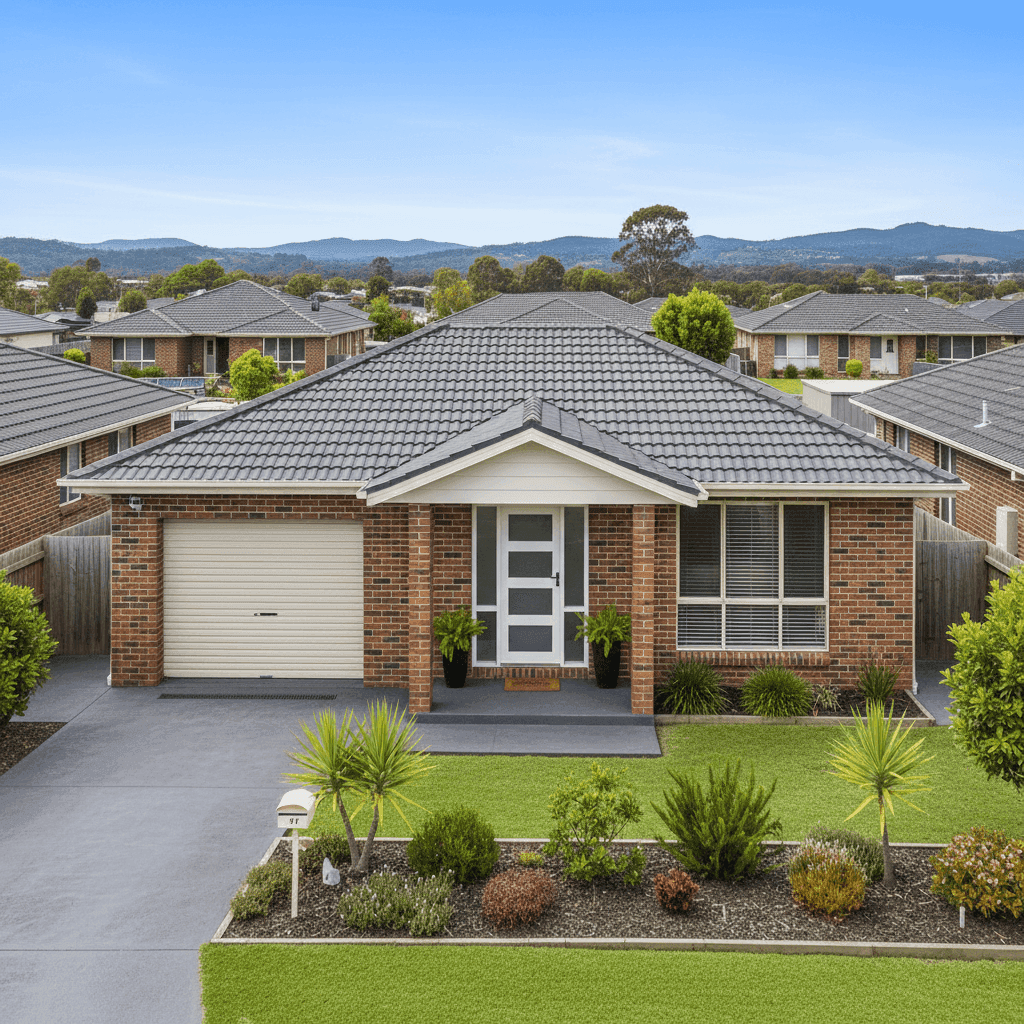
If you own a free standing home in Avondale, NSW 2530, you might be wondering whether your home insurance premium is reasonable — or whether you're paying too much (or too little) for the cover you have. This article breaks down a real building insurance quote for a three-bedroom, brick veneer home in Avondale, compares it against local, state, and national benchmarks, and offers practical advice for homeowners in the area.
---
Is This Quote Fair?
The quote in question comes in at $1,293 per year (or roughly $124 per month) for building-only cover with a sum insured of $366,000 and a building excess of $2,000. Our analysis rates this as CHEAP — below average for the area.
That's genuinely good news for this homeowner. A sub-$1,300 annual premium for a mid-sized freestanding home in coastal New South Wales is well below what many Australians are paying right now. With insurance premiums rising sharply across the country in recent years — driven by extreme weather events, rising reinsurance costs, and inflation in building materials — finding a competitively priced policy is increasingly difficult.
That said, "cheap" doesn't automatically mean "adequate." Homeowners should always verify that their sum insured accurately reflects the full cost of rebuilding their home from scratch, including demolition, debris removal, and current labour and materials costs. At $366,000 for a 130 sqm home built in 1982, it's worth periodically reviewing whether that figure keeps pace with rising construction costs in the Wollongong region.
---
How Avondale Compares
To put this quote in context, here's how the $1,293 annual premium stacks up against broader benchmarks:
| Benchmark | Annual Premium |
|---|---|
| This quote | $1,293 |
| Wollongong LGA average | $2,751 |
| NSW average | $9,528 |
| NSW median | $3,770 |
| National average | $5,347 |
| National median | $2,764 |
The figures are striking. This quote is less than half the Wollongong LGA average, and a fraction of the NSW average — though it's important to note that state and national averages can be heavily skewed by high-risk properties, combined building-and-contents policies, and homes in flood- or bushfire-prone areas that attract significantly higher premiums.
A more meaningful comparison is the national median of $2,764, which represents the midpoint of what Australians actually pay. Even against that benchmark, this quote sits comfortably below average. For suburb-specific data, visit the Avondale insurance stats page. You can also explore NSW-wide home insurance statistics or national home insurance data to see how your own premium measures up.
---
Property Features That Affect Your Premium
Several characteristics of this particular property work in the homeowner's favour when it comes to pricing:
Brick Veneer Walls
Brick veneer is one of the most common and insurer-friendly external wall materials in Australia. It offers solid fire resistance and durability, which typically translates to lower premiums compared to timber-framed or clad homes.
Tiled Roof
A tiled roof is generally viewed positively by insurers. Tiles are durable, fire-resistant, and widely used across NSW. They tend to fare better in hail and ember attack scenarios than some other roofing materials, which can keep premiums down.
Concrete Slab Foundation
Slab-on-ground construction is considered stable and low-risk by most insurers. It avoids the moisture and pest vulnerabilities associated with raised timber subfloors, which can be a factor in older homes.
1982 Construction
Homes built in the early 1980s are well-established and generally past the point of major structural surprises. However, they may contain older electrical wiring, plumbing, or roofing materials that could present risks if not maintained. Insurers factor in age, though a well-maintained 1982 home typically doesn't attract a significant loading.
Ducted Climate Control
The presence of ducted air conditioning adds some value to the property and could influence the sum insured. It's worth ensuring this system is factored into your building cover, as replacement costs can be substantial.
No Pool, No Solar Panels
The absence of a swimming pool and solar panels simplifies the risk profile. Pools can introduce liability concerns, while solar panel systems — particularly older ones — can be a fire risk. Neither factor applies here, which helps keep the premium lean.
Standard Fittings
Standard-quality fittings (as opposed to premium or luxury finishes) mean lower replacement costs in the event of a claim, which is reflected in a more modest sum insured and, consequently, a lower premium.
---
Tips for Homeowners in Avondale
Whether you're renewing your current policy or shopping around for the first time, here are four practical steps to make the most of your home insurance:
- Review your sum insured annually. Building costs in the Illawarra region have risen considerably. Use an independent building cost calculator or speak with a local builder to ensure your $366,000 sum insured still reflects true rebuild costs — including site clearance and professional fees.
- Consider contents cover. This quote covers the building only. If you don't have a separate contents policy, your furniture, appliances, clothing, and personal belongings are unprotected in the event of fire, theft, or storm damage. Even a basic contents policy adds meaningful protection.
- Understand your excess. The $2,000 building excess on this policy is on the higher end. While a higher excess typically lowers your premium, make sure you can comfortably cover that amount out of pocket if you need to make a claim. If cash flow is a concern, it may be worth comparing policies with a lower excess.
- Compare at renewal time. Insurers don't always reward loyalty with competitive pricing. Use a comparison platform like CoverClub at renewal to check whether your current insurer is still offering the best value — or whether you could get equivalent cover for less elsewhere.
---
Find the Right Cover for Your Home
Whether this quote is the right fit depends on your individual circumstances, risk appetite, and financial situation. What's clear is that this homeowner is paying well below the regional and national average for building cover — a strong starting point. But insurance is never one-size-fits-all.
At CoverClub, we make it easy to compare home insurance quotes from leading Australian insurers in one place. If you're a homeowner in Avondale or anywhere else in NSW, get a quote today and see how your premium stacks up. A few minutes of comparison could save you hundreds of dollars a year.