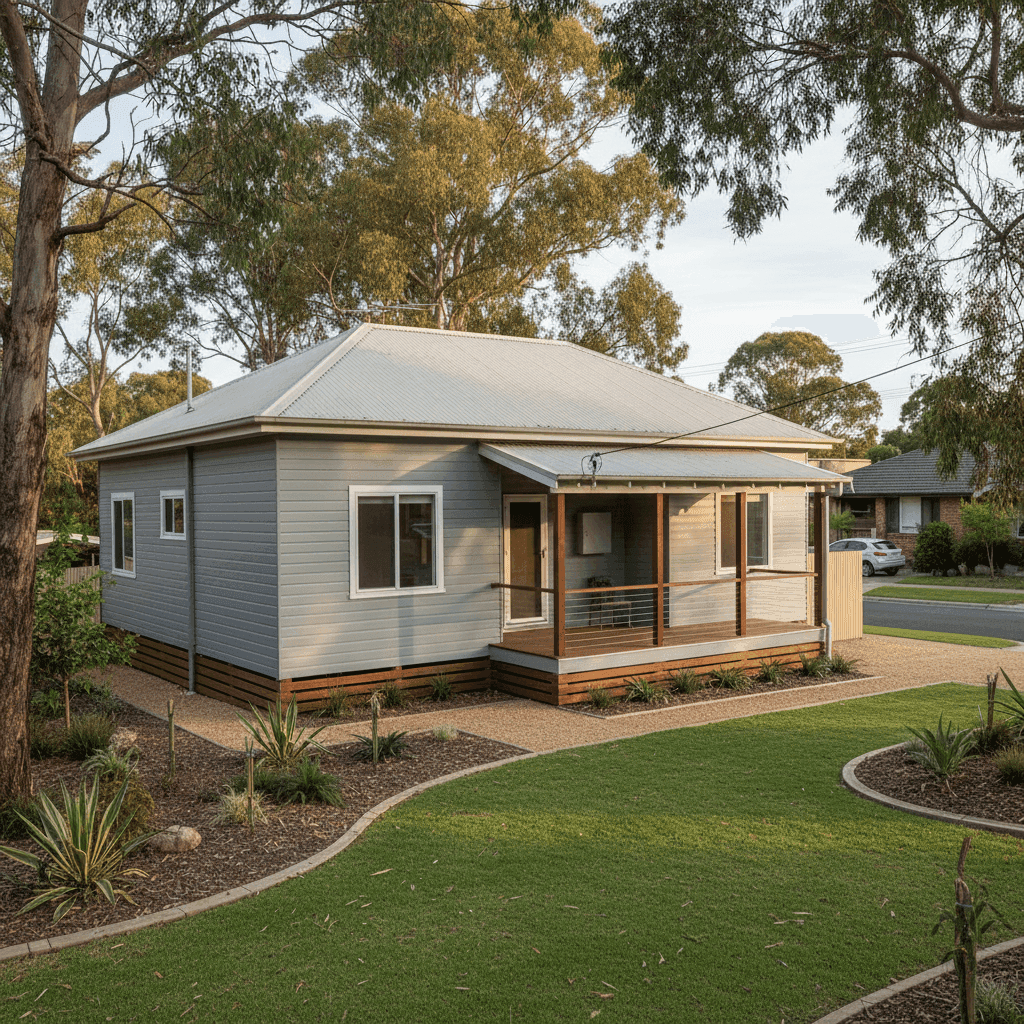
Awaba is a quiet residential suburb nestled in the Lake Macquarie local government area of New South Wales — a region known for its leafy streetscapes, proximity to the lake, and a mix of older character homes sitting alongside more modern builds. If you own a free standing home in this area, understanding what drives your home insurance premium is essential for making sure you're getting genuine value for money.
This article breaks down a real home and contents insurance quote for a four-bedroom, two-bathroom free standing home in Awaba (postcode 2283), examines how it stacks up against local, state, and national benchmarks, and offers practical tips to help you manage your cover costs.
---
Is This Quote Fair?
The annual premium for this property came in at $3,775 per year (or $377/month), covering a building sum insured of $819,000 and contents valued at $121,000. Our independent price rating for this quote is FAIR — Around Average.
That assessment holds up when you look at the numbers in context. The NSW state average for home and contents insurance currently sits at $3,801 per year, meaning this quote lands just $26 below the state average — essentially right on the mark. The NSW median is a more modest $3,410/year, which tells us that while this premium is close to average, a meaningful portion of NSW homeowners are paying less.
Against national figures, the picture shifts somewhat. The national average is $2,965/year and the national median is $2,716/year — both considerably lower than what this Awaba homeowner is paying. That gap isn't unusual for NSW, which consistently records some of the highest home insurance premiums in the country, reflecting elevated property values, weather exposure, and higher rebuild costs in many parts of the state.
In short: this quote is neither a bargain nor a cause for alarm. It's a reasonable reflection of what the local market looks like right now — but that doesn't mean there isn't room to do better.
---
How Awaba Compares
When we zoom in to the Lake Macquarie LGA level, the average home insurance premium is $3,593 per year. This quote of $3,775 sits approximately $182 above that LGA average, which is worth noting — though the difference may be explained by specific property characteristics (more on those below).
Unfortunately, suburb-level data for Awaba 2283 is still building, so a direct postcode comparison isn't available yet. You can check back at the Awaba suburb stats page as more data comes in.
For broader context:
| Benchmark | Annual Premium |
|---|---|
| This Quote | $3,775 |
| NSW State Average | $3,801 |
| NSW State Median | $3,410 |
| Lake Macquarie LGA Average | $3,593 |
| National Average | $2,965 |
| National Median | $2,716 |
NSW homeowners across the board pay well above the national average — a trend you can explore further on the NSW insurance stats page or compare against national benchmarks.
---
Property Features That Affect Your Premium
Several characteristics of this particular home have a direct bearing on what insurers charge. Understanding them can help you have more informed conversations with your insurer.
Age of the Home (Built 1965)
At over 60 years old, this property falls into a category that many insurers treat with extra caution. Older homes can carry higher rebuild costs due to the need to match period-appropriate materials, and ageing plumbing, wiring, or structural elements may increase the likelihood of a claim. That said, a well-maintained older home can still attract competitive premiums.
Hardiplank/Hardiflex External Walls
Fibre cement cladding like Hardiplank and Hardiflex is generally viewed favourably by insurers — it's durable, fire-resistant, and low maintenance compared to timber weatherboard. This material choice may actually work in the homeowner's favour when it comes to pricing.
Steel/Colorbond Roof
Colorbond roofing is one of the most insurer-friendly options available in Australia. It's resistant to fire, hail, and corrosion, and typically carries lower maintenance costs than tiled alternatives. This is a positive factor for the premium.
Stump Foundation and Timber/Laminate Flooring
The home is elevated on stumps by less than one metre. While this style of construction is common in older NSW and Queensland-influenced homes, it does introduce some additional considerations — particularly around sub-floor moisture, pest access, and the cost of repairs to stumps or bearers. Timber and laminate flooring, while attractive, can be more susceptible to water damage than tiles, which insurers may factor into contents and building assessments.
Building Size and Sum Insured
At 214 sqm with a building sum insured of $819,000, the per-square-metre rebuild cost implied here is approximately $3,827/sqm — which is broadly in line with current construction cost estimates in regional NSW, particularly for older homes requiring like-for-like restoration.
No Pool, Solar, or Cyclone Risk
The absence of a swimming pool, solar panels, and cyclone risk classification all simplify the risk profile for this property. These are each factors that can add complexity — and cost — to a policy, so their absence is a modest positive here.
---
Tips for Homeowners in Awaba
1. Review your building sum insured regularly Construction costs in NSW have risen sharply in recent years. If your sum insured hasn't been updated to reflect current rebuild costs, you could be underinsured — meaning you'd face a shortfall if you ever needed to make a major claim. Use a current construction cost calculator or ask your insurer to reassess.
2. Maintain your stump foundation Homes on stumps benefit enormously from regular inspections. Deteriorating stumps or bearer timbers can be a red flag for insurers and may affect your ability to claim for structural damage. Annual checks by a licensed builder or pest inspector are a worthwhile investment.
3. Consider your excess settings carefully This policy carries a $3,000 building excess and a $1,000 contents excess. A higher excess typically lowers your premium, but make sure the excess is an amount you could genuinely afford to pay at short notice. If the building excess feels high, it's worth asking your insurer whether a lower excess option is available and what the premium difference would be.
4. Compare quotes before renewal Even a "fair" premium can often be improved upon. The insurance market is competitive, and loyalty doesn't always pay — many insurers reserve their best pricing for new customers. Use a comparison tool to benchmark your renewal quote against current market options before automatically renewing.
---
Find a Better Deal on Home Insurance
Whether you're reviewing an existing policy or shopping for the first time, comparing multiple quotes is the single most effective way to ensure you're not overpaying. Get a home insurance quote at CoverClub and see how your premium stacks up against the market in minutes — no obligation, no jargon.