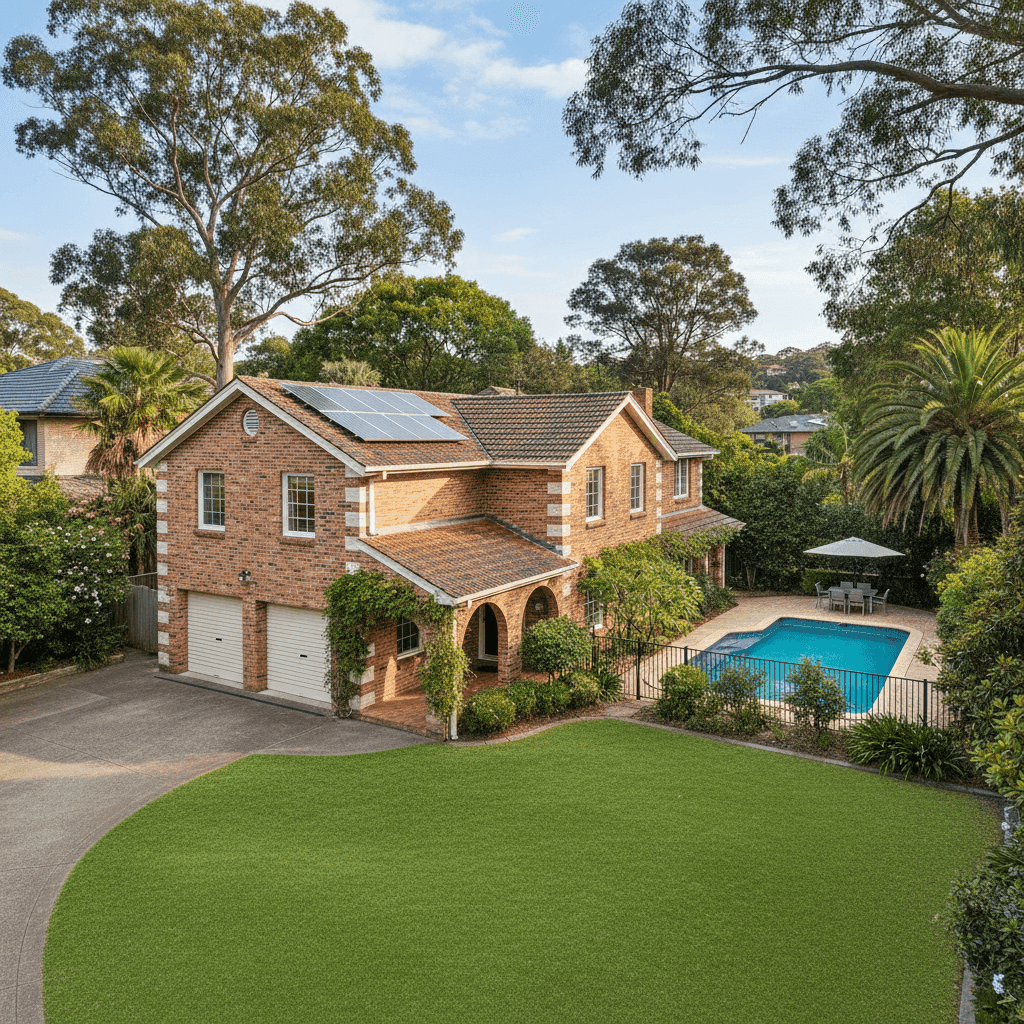
Balgowlah is one of Sydney's most desirable Northern Beaches suburbs — a leafy, established neighbourhood with strong property values, coastal proximity, and a mix of classic brick homes that have stood the test of time. If you own a free standing home here, you're likely sitting on a significant asset, and protecting it with the right home and contents insurance is essential. In this article, we analyse a real insurance quote for a 5-bedroom free standing home in Balgowlah NSW 2093 and unpack what's driving the cost.
---
Is This Quote Fair?
The quote in question comes in at $7,209 per year (or $671/month) for combined home and contents cover, with a building sum insured of $2,409,000 and contents valued at $50,000. Both the building and contents excess are set at $1,000.
Our price rating for this quote is Expensive (Above Average).
To put that in context: the average home and contents premium across Balgowlah sits at around $4,869 per year, with a median of $4,884. This quote is roughly 48% above the suburb average — a meaningful gap that's worth understanding before you simply accept the figure at face value.
That said, "expensive" doesn't automatically mean "wrong." A high sum insured — $2.4 million for the building alone — is one of the most significant drivers of premium cost, and for a 305 sqm home with above-average fittings quality in a high-value suburb, that figure may well be justified. The key question is whether the coverage and pricing are proportionate to the risk and replacement cost of the property.
---
How Balgowlah Compares
Understanding where your premium sits relative to broader benchmarks helps you gauge whether you're being charged fairly. Here's how this quote stacks up:
| Benchmark | Premium |
|---|---|
| This Quote | $7,209/yr |
| Balgowlah Suburb Average | $4,869/yr |
| Balgowlah Suburb Median | $4,884/yr |
| Balgowlah 25th Percentile | $4,377/yr |
| Balgowlah 75th Percentile | $5,572/yr |
| NSW State Average | $9,528/yr |
| NSW State Median | $3,770/yr |
| National Average | $5,347/yr |
| National Median | $2,764/yr |
| Northern Beaches LGA Average | $3,266/yr |
A few things stand out here. First, this quote exceeds the suburb's 75th percentile of $5,572 — meaning it's more expensive than at least three-quarters of comparable quotes in the area. Second, it's notably above the Northern Beaches LGA average of $3,266/yr, which suggests there are more affordable options available in the region.
Interestingly, the NSW state average of $9,528/yr is higher than this quote — but that figure is heavily skewed by high-risk areas and large rural or coastal properties across the state. The state median of $3,770 is a more useful comparison point, and this quote sits well above it.
At the national level, the average premium is $5,347 and the median is $2,764 — again, this quote is above both figures, reflecting the premium nature of the property and its location.
You can explore more local data on the Balgowlah suburb stats page.
> Note: The suburb sample size for Balgowlah is currently 6 quotes, so averages should be interpreted with some caution — a larger dataset would provide a more reliable benchmark.
---
Property Features That Affect Your Premium
Several characteristics of this property have a direct influence on what insurers charge. Here's a breakdown of the key factors:
Size and Sum Insured
At 305 sqm, this is a large home by any measure. The building sum insured of $2,409,000 reflects the true replacement cost of a substantial double brick home with above-average fittings — and insurers price accordingly. Larger homes cost more to rebuild, and that cost is baked into every premium calculation.
Double Brick Construction
Double brick walls are generally viewed favourably by insurers. They offer excellent structural integrity, good fire resistance, and durability against the elements. This construction type can help moderate premiums compared to timber or lightweight cladding alternatives.
Tiled Roof
A tiled roof is considered a lower-risk roofing material than alternatives like Colorbond or corrugated iron in some contexts, though tiles can be susceptible to cracking and storm damage over time. For a home built in 1975, the age of the roof may factor into an insurer's assessment.
Age of Construction (1975)
Homes built in the 1970s can carry slightly higher risk profiles due to ageing plumbing, wiring, and structural components. While double brick construction holds up well over decades, insurers may factor in the potential for age-related claims.
Swimming Pool
Having a pool adds to the replacement cost of the property and can marginally increase premiums. It also introduces liability considerations, though most home and contents policies address this within their liability cover.
Solar Panels
Solar panels are increasingly common and most insurers now include them under standard building cover — but it's worth confirming this with your insurer. The panels add to the overall insured value of the property and may contribute slightly to the premium.
Above-Average Fittings
Kitchens, bathrooms, and fixtures of above-average quality cost significantly more to repair or replace. This is a meaningful driver of premium cost and helps explain why the sum insured is as high as it is for this property.
Slab Foundation and Timber/Laminate Flooring
A concrete slab foundation is generally considered low-risk and stable. Timber and laminate flooring, while attractive, can be costly to replace following water damage — a factor that insurers weigh when assessing contents and building claims.
---
Tips for Homeowners in Balgowlah
If you're looking to ensure you have the right cover at a fair price, here are some practical steps worth taking:
- Review your sum insured carefully. A $2.4 million building sum insured is substantial — make sure it reflects the actual cost to rebuild your home (not its market value). Overinsuring pushes premiums up unnecessarily, while underinsuring can leave you exposed. Use a building cost calculator or speak to a quantity surveyor if you're unsure.
- Compare quotes across multiple insurers. This quote is above the suburb's 75th percentile, which suggests there may be better value available. Use CoverClub to compare quotes and see what other insurers are offering for the same level of cover.
- Ask about discounts for home features. Double brick construction, a monitored alarm system, or deadbolt locks can sometimes attract discounts with certain insurers. It's worth asking directly whether your property's features are being factored in favourably.
- Check your contents sum insured. At $50,000, the contents cover on this policy is relatively modest for a 5-bedroom home with above-average fittings. Take stock of your furniture, appliances, clothing, and valuables — you may find you're underinsured on contents even if the building cover is solid.
---
Ready to Compare?
Whether this quote is the right fit or you suspect there's better value out there, the smartest move is to compare. CoverClub makes it easy to benchmark your premium against real data from your suburb, LGA, and state — so you can make an informed decision rather than just accepting the first number you're given.
Get a home insurance quote and compare your options today at CoverClub →