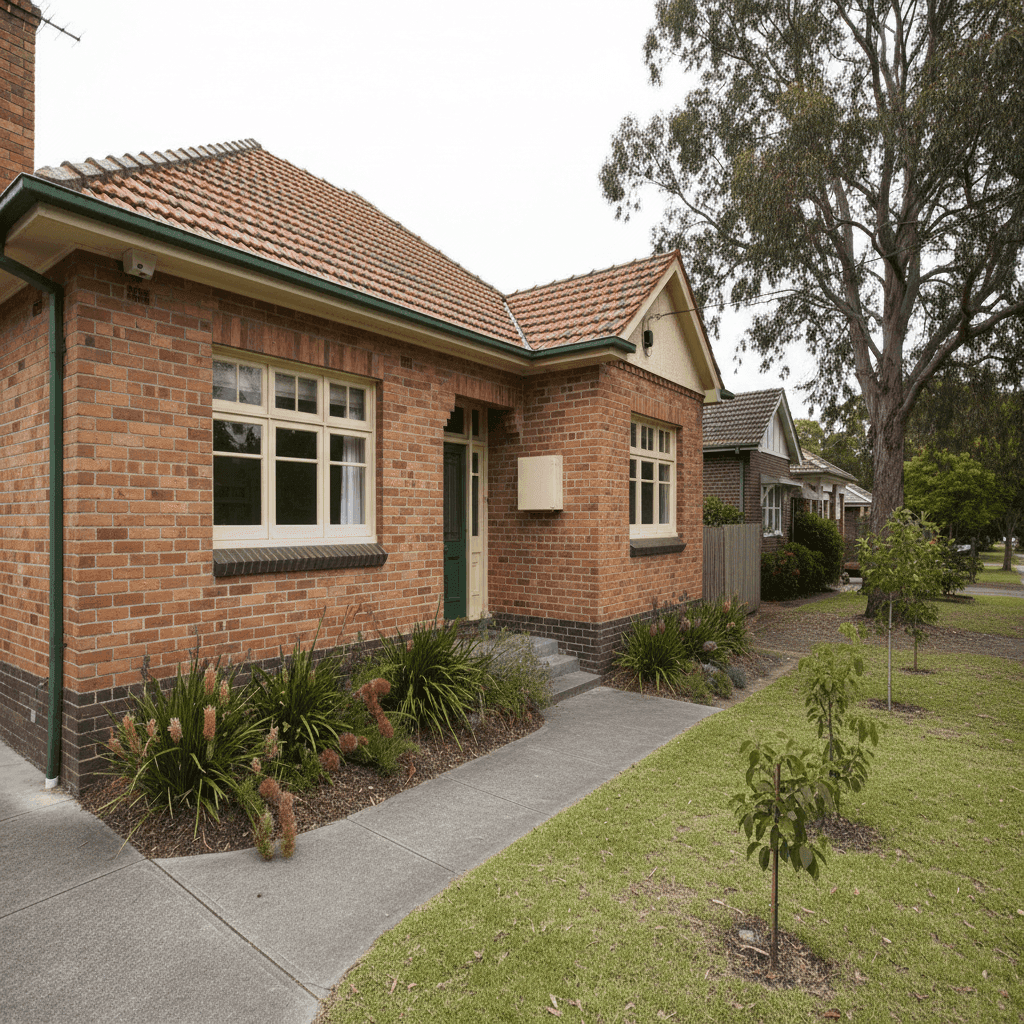
If you own a free standing home in Balgowlah, NSW 2093, you're likely no stranger to the balancing act of protecting a valuable property while keeping insurance costs in check. Nestled on the Northern Beaches peninsula, Balgowlah is a tightly held suburb where well-built homes — many dating back several decades — sit close to bushland and the coast. That combination of heritage charm and natural surroundings makes getting the right home and contents cover both important and, at times, complex.
This article breaks down a real home and contents insurance quote for a 3-bedroom, 2-bathroom free standing home in Balgowlah, comparing it against local, state, and national benchmarks so you can understand exactly what good value looks like in this market.
---
Is This Quote Fair?
The annual premium for this property came in at $3,651 per year (or around $350/month), covering $810,000 in building sum insured and $200,000 in contents, each with a $1,000 excess. Our pricing analysis rates this quote as CHEAP — below the suburb average — which is genuinely good news for the homeowner.
To put that in perspective, the average premium across comparable quotes in Balgowlah sits at $4,869/year, with a median of $4,884/year. That means this quote comes in roughly $1,200 below the local average — a meaningful saving that compounds year after year. Even against the suburb's 25th percentile (the cheapest quarter of quotes) of $4,377/year, this premium undercuts the field, suggesting the insurer has priced this property quite competitively.
For a home insured at $810,000, a $3,651 premium represents a rate of approximately 0.45% of the building sum insured — a reasonable ratio for a well-constructed double brick home in an established Sydney suburb.
---
How Balgowlah Compares
Understanding how your premium stacks up requires looking beyond just your street. Here's how Balgowlah sits in the broader landscape:
| Benchmark | Premium |
|---|---|
| This Quote | $3,651/yr |
| Balgowlah Suburb Average | $4,869/yr |
| Balgowlah Suburb Median | $4,884/yr |
| LGA (Northern Beaches) Average | $3,266/yr |
| NSW State Average | $9,528/yr |
| NSW State Median | $3,770/yr |
| National Average | $5,347/yr |
| National Median | $2,764/yr |
A few things stand out here. The NSW state average of $9,528/year is dramatically higher than both the Balgowlah average and this quote — a figure heavily skewed by high-risk properties in flood-prone, bushfire-affected, or cyclone-exposed regions across the state. The NSW median of $3,770/year is a more realistic comparison point, and this quote sits only slightly above it, which is reasonable given the higher-than-average building sum insured.
Interestingly, the Northern Beaches LGA average of $3,266/year is actually lower than this quote, though that figure likely reflects a mix of properties with varying sum insured levels. For a home insured to $810,000 in a coastal suburb, $3,651 remains competitive.
Nationally, the average premium of $5,347/year further confirms this is a well-priced policy. You can explore Balgowlah suburb insurance statistics, NSW state-wide data, and national insurance benchmarks to dig deeper into how different locations and property types compare.
---
Property Features That Affect Your Premium
Every home tells a story through its construction, and insurers read that story carefully when calculating your premium. Here's how the features of this particular Balgowlah property likely influence the pricing:
Double Brick Construction Built in 1930, this home features double brick external walls — a construction type that insurers generally view favourably. Double brick is robust, fire-resistant, and thermally stable, which translates to lower risk of structural damage from many common perils. It can, however, be more expensive to repair when damage does occur, which partly explains why building sums insured tend to be higher for these homes.
Tiled Roof Terracotta or concrete tiles are among the more durable roofing materials available, offering solid protection against hail and wind compared to corrugated iron or Colorbond in some scenarios. Tiles do carry a higher replacement cost per square metre, but their longevity is a positive risk signal for insurers.
Slab Foundation with Slight Elevation The property sits on a slab foundation and is elevated by less than one metre. While this modest elevation provides minimal flood mitigation compared to a fully raised home, it does offer some protection against minor surface water ingress — a relevant consideration for properties in coastal suburbs with occasional storm events.
Timber and Laminate Flooring These flooring types are susceptible to water damage, which is worth keeping in mind when reviewing your contents and building cover. Ensure your policy covers escape of liquid and storm-related water damage adequately.
Ducted Climate Control The presence of ducted air conditioning adds to the building's replacement value and is a fixed inclusion in the building sum insured. It's important that your sum insured accounts for the cost of replacing this system, as ducted systems can cost $10,000–$20,000+ to replace.
No Pool, No Solar Panels The absence of a swimming pool and solar panels simplifies the risk profile slightly. Both features can add to premiums — pools due to liability considerations, and solar panels due to their replacement cost and potential electrical risks.
---
Tips for Homeowners in Balgowlah
1. Review Your Building Sum Insured Annually Construction costs have risen sharply in recent years. A 1930s double brick home with 153 sqm of floor space and ducted climate control can be expensive to rebuild. Make sure your $810,000 sum insured reflects current labour and materials costs — not what it would have cost to rebuild five years ago. Underinsurance is one of the most common and costly mistakes homeowners make.
2. Check Your Contents Cover Reflects Reality $200,000 in contents cover is a solid starting point, but it's worth doing a room-by-room audit every couple of years. Furniture, appliances, clothing, jewellery, and electronics add up quickly. Many homeowners discover they're underinsured on contents only after making a claim.
3. Consider the Bushfire and Storm Risk Balgowlah's proximity to bushland and the coast means both bushfire ember attack and storm-related damage are genuine risks. Ensure your policy includes adequate cover for storm surge, rainwater ingress, and bushfire. Check whether your insurer applies any exclusions or sub-limits for these specific perils.
4. Don't Auto-Renew Without Comparing Even a competitively priced policy can be beaten at renewal time. Insurers frequently adjust their pricing models, and loyalty doesn't always pay. Set a reminder to compare quotes before your renewal date — it takes minutes and could save you hundreds.
---
Ready to See What You Could Be Paying?
Whether you're a first-time buyer in Balgowlah or a long-term homeowner wondering if you're still getting a fair deal, comparing quotes is the single most effective way to stay on top of your insurance costs. CoverClub makes it easy to benchmark your current premium against the market and find cover that suits your property and budget.
Get a home insurance quote today at CoverClub and see how your premium stacks up.