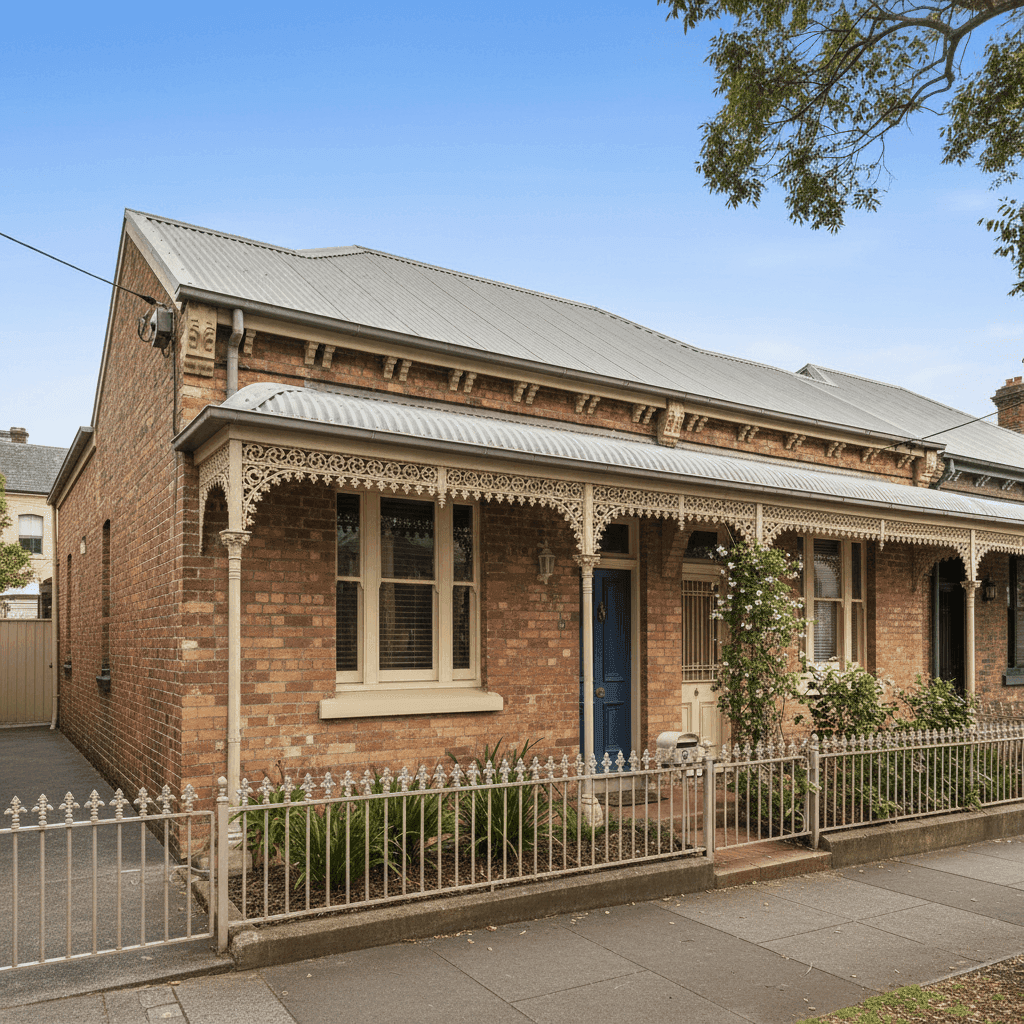
Balmain is one of Sydney's most characterful inner-west suburbs — a peninsula of Victorian-era terraces, semi detacheds, and corner pubs that has long attracted buyers who want heritage charm within a short commute of the CBD. But owning a piece of that history comes with its own insurance considerations. This article breaks down a real home and contents insurance quote for a 2-bedroom semi detached in Balmain (NSW 2041), rated cheap (below average) against local and national benchmarks, and explains what's driving the price.
---
Is This Quote Fair?
The quoted annual premium of $1,662 (or roughly $160/month) covers both building and contents, with a building sum insured of $550,000 and contents valued at $75,000. The building excess sits at $2,500 and the contents excess at $500.
Our pricing engine rates this quote as cheap — below the suburb average — which is genuinely good news for the homeowner. To put it in context:
- The suburb average for Balmain is $2,152/yr, meaning this quote comes in $490 below what most locals are paying.
- The suburb median is $2,107/yr, and even the 25th percentile (the cheapest quarter of quotes) sits at $1,859/yr — so this premium is below even the lowest quartile for the area.
In short, this is a competitive result. Whether it's the insurer's appetite for double-brick construction, the absence of a pool or solar panels, or simply a well-timed comparison, the policyholder is getting solid value. That said, it's always worth reviewing what's included — a cheap premium means little if the cover has significant gaps.
---
How Balmain Compares
Zooming out from the suburb level tells an interesting story. You can explore the full data on the Balmain suburb stats page, but here's a snapshot:
| Benchmark | Annual Premium |
|---|---|
| This quote | $1,662 |
| Balmain suburb average | $2,152 |
| Balmain suburb median | $2,107 |
| Inner West LGA average | $2,955 |
| NSW average | $9,528 |
| NSW median | $3,770 |
| National average | $5,347 |
| National median | $2,764 |
A few things stand out here. First, the NSW state average of $9,528 looks eye-watering — but it's heavily skewed by high-value properties and flood- or storm-prone regions across the state. The median of $3,770 is a more representative figure, and even that is well above what Balmain homeowners are typically paying.
Compared to the national picture, Balmain's median of $2,107 is still below the national median of $2,764 — a reminder that inner-Sydney suburbs, despite their high land values, can attract relatively moderate insurance premiums when the underlying risk profile is favourable.
The Inner West LGA average of $2,955 is notably higher than Balmain's suburb average, suggesting that other postcodes within the LGA — perhaps those with greater flood exposure along the Parramatta River or Cooks River catchments — are pulling that figure up.
---
Property Features That Affect Your Premium
Every property has a unique risk fingerprint, and this Balmain semi detached has several characteristics worth unpacking.
Construction Era and Wall Type
Built in 1892, this is a genuinely historic home. Double brick construction — the standard for Sydney's Victorian and Edwardian-era semis — is generally viewed favourably by insurers. It's robust, fire-resistant, and less susceptible to wind damage than timber-framed alternatives. That said, older homes can attract loading for the cost of like-for-like restoration if heritage elements need to be replaced after a claim.
Roof
The steel/Colorbond roof is a modern replacement, which is a positive signal to insurers. Unlike the original terracotta or slate tiles that many heritage properties still carry, Colorbond is lightweight, durable, and performs well in storms. It's likely contributing to the competitive premium here.
Foundation
Stump foundations are common in older Sydney homes and can be a double-edged sword. On one hand, they allow for good underfloor ventilation, which reduces moisture-related damage. On the other, they can be more susceptible to subsidence or movement over time — something to keep in mind when reviewing your building sum insured.
Flooring
Timber and laminate flooring throughout adds to the character of the home but also means replacement costs can be significant. Ensure your contents policy (or building policy, depending on how your insurer classifies fixed flooring) adequately covers restoration to the current standard.
Ducted Climate Control
The presence of ducted climate control is worth noting. This system is typically classified as a building fixture, meaning it falls under the building sum insured rather than contents. At $550,000, the building cover should accommodate this — but it's worth confirming with your insurer, particularly given the age of the property and the cost of retrofitting such systems into heritage structures.
No Pool, No Solar
The absence of a pool and solar panels simplifies the risk profile considerably. Pools add liability exposure and maintenance complexity; solar panels introduce electrical risk and can complicate roof claims. Their absence is a quiet contributor to keeping this premium lean.
---
Tips for Homeowners in Balmain
1. Review your building sum insured annually Construction costs have risen sharply in recent years, and a 153 sqm double-brick semi with period features could cost significantly more to rebuild than it did when you first took out cover. Use a building cost calculator or ask your insurer to reassess — underinsurance is one of the most common and costly mistakes homeowners make.
2. Check how your insurer classifies heritage elements If your home retains original cornices, skirting boards, fireplaces, or other period details, confirm whether your policy covers like-for-like replacement. Some standard policies will only cover modern equivalents, leaving you out of pocket for the premium finish.
3. Don't set and forget Even a below-average premium can become uncompetitive at renewal. Insurers regularly adjust their pricing models, and loyalty doesn't always pay. Set a reminder to compare quotes before each renewal — it takes minutes and can save hundreds.
4. Consider your contents carefully At $75,000, the contents value needs to reflect everything you'd need to replace — furniture, appliances, clothing, electronics, and valuables. Many homeowners underestimate this figure. A quick room-by-room inventory can help you arrive at a more accurate number and avoid a nasty surprise at claim time.
---
Ready to See What You Could Pay?
Whether you're a Balmain local or considering a property in the Inner West, it pays to compare. CoverClub aggregates real quotes so you can see exactly where your premium sits relative to your neighbours — and find a better deal if one exists. Get a quote in minutes and see how your home stacks up.