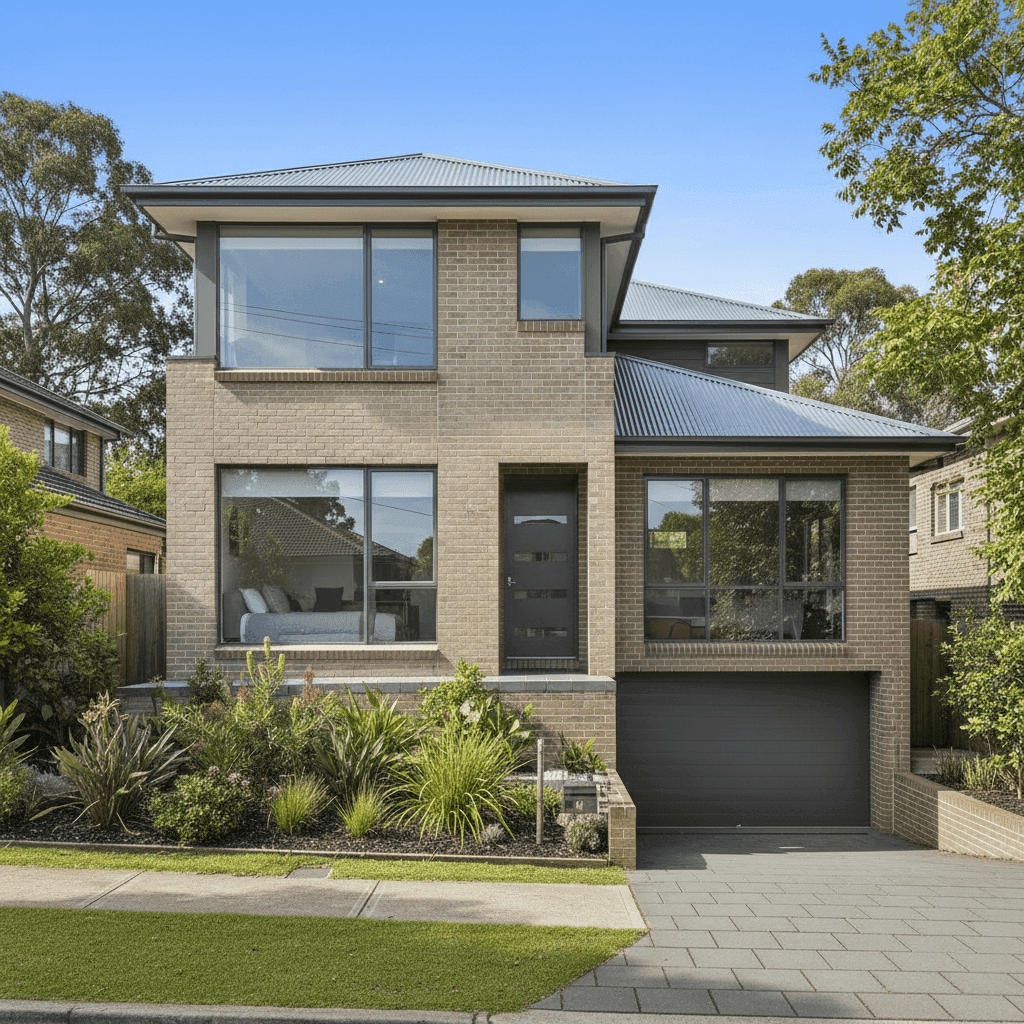
If you own a townhouse in Balwyn North, VIC 3104, you're living in one of Melbourne's most sought-after inner-east suburbs — and your home insurance premium reflects a surprisingly affordable picture compared to the broader market. This article breaks down a real home and contents insurance quote for a four-bedroom, three-bathroom townhouse in the area, and puts the numbers in context so you can judge whether your own policy stacks up.
---
Is This Quote Fair?
The quote in question comes in at $1,134 per year (or $114/month) for combined home and contents cover, with a building sum insured of $773,000 and contents valued at $50,000. The building excess sits at $3,000, and the contents excess at $1,000.
Our price rating for this quote is CHEAP — below average for the area. That's a meaningful finding. Based on 45 quotes collected for Balwyn North, the suburb's average annual premium is $2,192, and the median is $2,027. This quote lands well below even the 25th percentile — meaning it's cheaper than at least 75% of comparable quotes in the postcode. For a property of this size and specification, that represents genuinely strong value.
Of course, price alone doesn't tell the whole story. Excess levels matter too. The $3,000 building excess is on the higher side, which is one reason the premium is kept low — you'd be shouldering more out-of-pocket cost in the event of a claim. Whether that trade-off suits your financial situation is worth thinking through carefully.
---
How Balwyn North Compares
To understand just how competitive this quote is, it helps to zoom out and look at the broader benchmarks.
| Benchmark | Average Premium |
|---|---|
| Balwyn North (suburb) | $2,192/yr |
| LGA – Whitehorse | $1,951/yr |
| Victoria (state) | $2,921/yr |
| National | $2,965/yr |
This quote of $1,134 sits 48% below the suburb average, 61% below the [Victorian state average](https://coverclub.com.au/stats/VIC), and 62% below the [national average](https://coverclub.com.au/stats/national). Even within the Whitehorse LGA — which tends to run cheaper than the broader state — this quote is nearly $800 less per year.
It's worth noting that Balwyn North itself is already a relatively affordable suburb to insure compared to the Victorian average. The suburb's median of $2,027 is meaningfully below the state median of $2,694, which suggests the area carries lower-than-average risk in the eyes of insurers — something that aligns with its low flood and bushfire exposure, stable infrastructure, and predominantly modern housing stock.
---
Property Features That Affect Your Premium
Several characteristics of this particular townhouse work in favour of a lower premium:
Brick veneer construction is one of the most insurer-friendly wall types in Australia. It offers solid fire resistance and structural durability, and is far less susceptible to storm and impact damage than weatherboard or lightweight cladding. Most insurers price brick veneer favourably.
Steel/Colorbond roofing is similarly well-regarded. It's lightweight, long-lasting, and performs well in high-wind events. Unlike tile roofs, Colorbond is less prone to cracking or displacement, reducing the likelihood of water ingress claims.
Elevated foundation (stumps) raises the floor level by at least one metre, which provides meaningful protection against surface water flooding and subfloor moisture issues. In a suburb like Balwyn North — which sits on relatively stable ground — this is more of a structural quality indicator than a flood-risk mitigation measure, but it's still viewed positively by underwriters.
Built in 2014, the townhouse falls within a generation of construction that benefits from modern building codes, including improved fire safety standards, energy efficiency requirements, and structural engineering benchmarks. Newer builds generally attract lower premiums than ageing properties with outdated wiring, plumbing, or roofing.
Ducted climate control is worth noting as a contents and building consideration. These systems add value to the property and can be costly to repair or replace, but they're a standard inclusion in a well-specified home like this — and the $773,000 sum insured should comfortably account for it.
The absence of a pool and solar panels simplifies the risk profile slightly, removing two common sources of liability and equipment claims.
---
Tips for Homeowners in Balwyn North
Whether you're renewing your policy or shopping around for the first time, here are a few practical steps worth taking:
1. Review your sum insured annually. Building costs in Melbourne's inner east have risen sharply in recent years. A sum insured of $773,000 may have been accurate at the time of the quote, but construction costs fluctuate — and being underinsured at claim time can leave you significantly out of pocket. Use a building cost calculator or speak to a quantity surveyor to verify your figure each year.
2. Consider the excess trade-off carefully. A $3,000 building excess is one way to keep premiums down, but it means absorbing the first $3,000 of any building claim yourself. If a lower excess would give you greater peace of mind, it's worth requesting an alternative quote — the premium difference is often less than you'd expect.
3. Don't set and forget your contents value. $50,000 in contents cover is a starting point, but many households underestimate the replacement cost of furniture, appliances, clothing, and electronics. A quick room-by-room audit can reveal whether your current limit is realistic — especially if you've made significant purchases since your last policy renewal.
4. Compare quotes at renewal, every time. The insurance market moves. A policy that was competitive two years ago may no longer be the best available — and loyalty doesn't always pay. Running a fresh comparison before each renewal is one of the simplest ways to ensure you're not overpaying.
---
Ready to See What You Could Pay?
Whether you're a Balwyn North local or just curious how your own property compares, CoverClub makes it easy to benchmark your home insurance costs against real market data. Get a quote today and see how your premium stacks up against your suburb, your state, and the national average — in minutes, with no obligation.