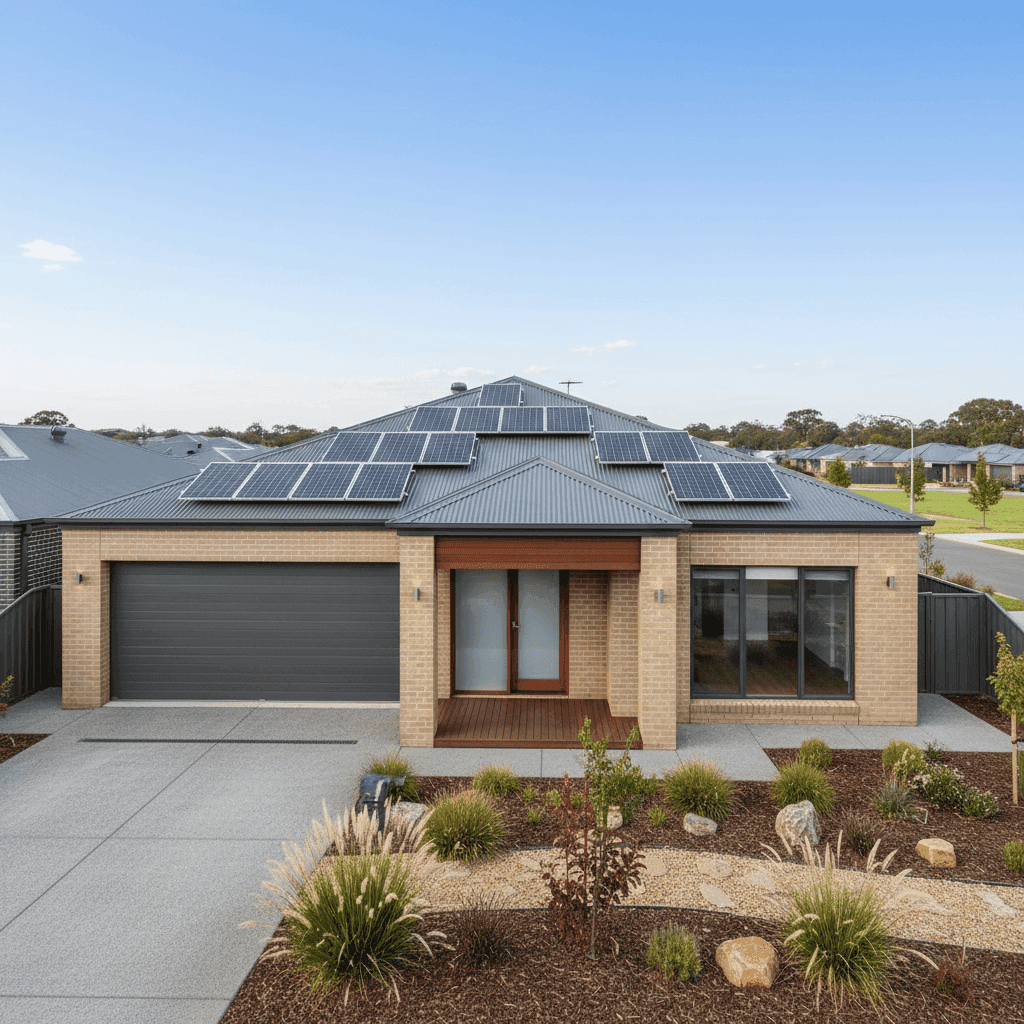
Banjup is a quiet, predominantly residential suburb in the City of Cockburn, sitting about 20 kilometres south of Perth's CBD. Known for its spacious blocks and modern housing stock, it's become a popular choice for families looking for a relaxed lifestyle without straying too far from the city. If you own a free standing home here, understanding what you should be paying for building insurance — and why — can save you hundreds of dollars a year.
This article breaks down a real building-only insurance quote for a 3-bedroom, 2-bathroom home in Banjup, analyses whether the premium is competitive, and offers practical tips to help local homeowners get the best value from their cover.
---
Is This Quote Fair?
The quote in question comes in at $1,043 per year (or $97 per month) for building-only cover on a home with a sum insured of $426,000 and a building excess of $2,500. Our price rating for this quote is CHEAP — below average — which is genuinely good news for the homeowner.
To put that in perspective: the WA state average premium sits at $2,811 per year, with a median of $2,127. At $1,043, this quote is less than half the state average and well below the state median. Compared to the national average of $5,347 and a national median of $2,764, the savings are even more striking.
This doesn't mean the policy is bare-bones — it simply reflects a combination of favourable property characteristics and a location that insurers consider relatively low risk. That said, "cheap" doesn't automatically mean "right for you." It's always worth checking what's actually covered before signing on the dotted line.
---
How Banjup Compares
While there isn't enough suburb-level data to publish a specific Banjup average, we can look at the broader City of Cockburn (LGA) average of $1,739 per year as a useful benchmark. This quote sits $696 below that LGA average — a meaningful difference that suggests the property's features are working in the homeowner's favour.
Here's a quick snapshot of how the numbers stack up:
| Benchmark | Annual Premium |
|---|---|
| This Quote | $1,043 |
| Cockburn LGA Average | $1,739 |
| WA State Average | $2,811 |
| WA State Median | $2,127 |
| National Average | $5,347 |
| National Median | $2,764 |
The gap between this quote and the national average is particularly eye-opening. Much of that difference comes down to geography — Western Australia, and Perth's southern suburbs in particular, are generally considered lower risk for events like flooding, cyclones, and bushfire compared to parts of Queensland, northern WA, or fire-prone regions of Victoria and NSW.
---
Property Features That Affect Your Premium
Several characteristics of this property are likely contributing to its favourable premium. Let's unpack the key ones:
Double Brick Construction
Double brick is one of the most insurer-friendly wall types in Australia. It's durable, fire-resistant, and holds up well against wind and impact. Homes built with double brick typically attract lower premiums than those with timber or lightweight cladding, and it's a common construction method across Perth's suburbs — so insurers have a solid understanding of the risk profile.
Steel/Colorbond Roof
A Colorbond steel roof is another tick in the right column. It's non-combustible, resistant to corrosion, and performs well in the heat that characterises Perth summers. Compared to older tile roofs or roofs in poor condition, a well-maintained Colorbond roof generally signals lower risk to underwriters.
Slab Foundation
Concrete slab foundations are standard in modern Perth builds and are considered stable and low-maintenance. They don't carry the same subsidence or termite-entry risks associated with older raised timber foundations, which helps keep premiums in check.
Built in 2018
A construction year of 2018 means this home is relatively new and built to modern Australian building codes. Newer homes tend to be more structurally sound, have updated electrical and plumbing systems, and are less likely to generate claims related to wear and tear or outdated materials.
Solar Panels
The property has solar panels installed, which are worth noting from an insurance perspective. Solar panels add value to the home and should be factored into your sum insured to ensure they're adequately covered. Most building policies will cover panels that are permanently fixed to the roof, but it's worth confirming this with your insurer — particularly regarding damage from storms or hail.
Ducted Climate Control
Ducted air conditioning systems are a significant fixture and typically covered under building insurance. As with solar panels, it's important to ensure your sum insured accounts for the replacement cost of these systems, as they can be expensive to repair or replace.
No Pool, No Cyclone Risk Zone
The absence of a pool removes a common source of liability and structural complexity from the equation. And while Banjup is in Western Australia, it falls outside designated cyclone risk areas — unlike parts of the state's north-west, where premiums can be dramatically higher due to tropical weather events.
---
Tips for Homeowners in Banjup
1. Review your sum insured annually Building costs in Perth have risen significantly in recent years due to labour shortages and materials inflation. A sum insured of $426,000 may be appropriate today, but it's worth reassessing each year to ensure it reflects current rebuild costs — not the purchase price or market value of your home.
2. Confirm your solar panels and ducted systems are covered Check your policy wording to confirm that permanently fixed solar panels and ducted climate control are included in your building cover. If they're listed as exclusions or require a separate endorsement, speak to your insurer about adding them.
3. Understand your excess This policy carries a $2,500 building excess. That's on the higher end of the typical range, which is part of why the premium is low. Make sure you're comfortable covering that amount out of pocket in the event of a claim, and consider whether a lower excess (at a slightly higher premium) might suit your financial situation better.
4. Don't set and forget Even if your current quote is competitive, it's good practice to compare at renewal time. Insurers regularly adjust their pricing models, and a policy that was cheap last year may not be the best value next year. Shopping around takes only a few minutes and could save you a significant amount.
---
Compare Home Insurance Quotes in Banjup
Whether you're reviewing your current policy or shopping for cover for the first time, CoverClub makes it easy to compare building and contents insurance quotes tailored to your property. Get a quote today at CoverClub and see how your premium stacks up against the rest of Banjup, the City of Cockburn, and Western Australia as a whole. You might be surprised by how much you could save — or reassured that you're already on a great deal.