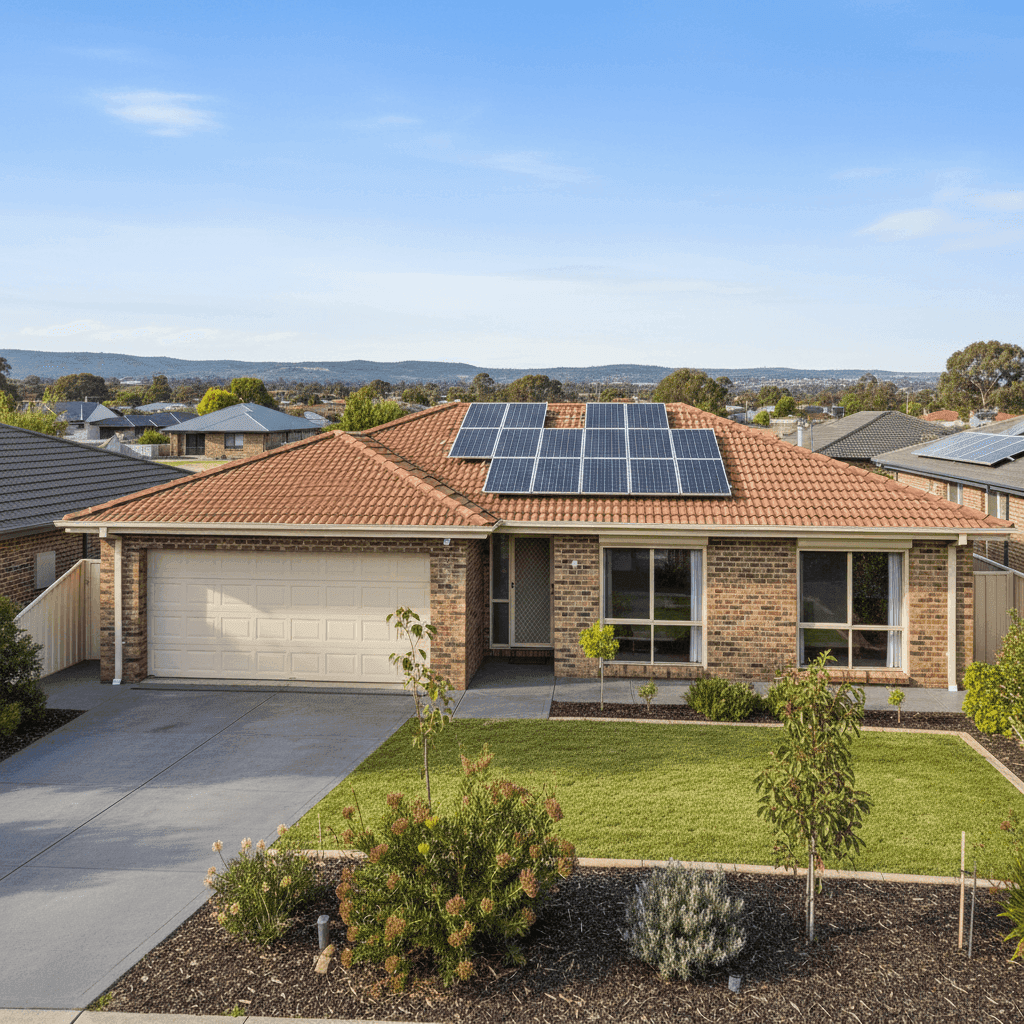
Home insurance costs in Canberra's southern suburbs can vary significantly depending on the property, insurer, and level of cover selected. This article breaks down a real home and contents insurance quote for a four-bedroom, free-standing home in Banks, ACT 2906 — a well-established residential suburb in the Tuggeranong district — and puts the numbers in context against local, state, and national benchmarks.
---
Is This Quote Fair?
The quote in question comes in at $1,001 per year (or roughly $96 per month) for combined home and contents cover, with a building sum insured of $200,000 and contents valued at $150,000. Both the building and contents excess are set at $2,000.
Our price rating for this quote is CHEAP — below average — and the data backs that up convincingly.
Compared to the suburb average for Banks of $2,107/yr, this quote is 52% cheaper. Even measured against the suburb's 25th percentile — meaning the cheapest quarter of quotes in the area — the suburb's lowest benchmark sits at $1,846/yr, still well above this $1,001 figure. That's a meaningful gap, and it suggests this quote is genuinely competitive, not just marginally so.
For a homeowner paying monthly, the difference between this quote and the suburb average works out to roughly $92 per month in savings — or over $1,100 annually. That's real money.
---
How Banks Compares
To understand what makes this quote stand out, it helps to zoom out and look at the broader pricing landscape.
| Benchmark | Annual Premium |
|---|---|
| This Quote | $1,001 |
| Banks suburb average | $2,107 |
| Banks suburb median | $2,004 |
| ACT state average | $2,203 |
| ACT state median | $2,112 |
| Unincorporated ACT (LGA) average | $2,352 |
| National average | $2,965 |
| National median | $2,716 |
The ACT state average sits at $2,203/yr, meaning this quote is roughly 55% below what ACT homeowners typically pay. Zooming out further, the national average is $2,965/yr — nearly three times this quote's annual cost.
It's worth noting that the ACT generally fares better than the national average, partly because the territory doesn't face the same cyclone, flood, or bushfire risk profiles that push premiums sky-high in parts of Queensland, Northern Australia, or coastal NSW. Still, even within the ACT, this quote is a standout.
Based on a sample of 30 quotes collected for the Banks suburb, the interquartile range runs from $1,846 to $2,286 per year. This quote falls well below that entire range, placing it firmly in exceptional territory.
---
Property Features That Affect Your Premium
Several characteristics of this particular property likely contribute to its competitive pricing:
Brick Veneer Construction Brick veneer is one of the most common and well-regarded wall materials in Australian suburban homes. Insurers generally view it favourably — it's durable, fire-resistant, and relatively straightforward to repair or rebuild. Compared to weatherboard or cladding, brick veneer typically attracts lower premiums.
Tiled Roof Terracotta or concrete tiles are considered a resilient roofing material in the ACT's climate. They hold up well against hail and are less susceptible to fire than some alternatives, which can positively influence underwriting assessments.
Concrete Slab Foundation A slab foundation is standard for homes of this era and construction type in the ACT. It's structurally stable and doesn't carry the subsidence or termite-related risks sometimes associated with raised timber stumps.
1992 Build Year At around 30 years old, this home sits in a sweet spot for insurers — past the era of older wiring and plumbing concerns, but not so new that replacement costs are at a premium. Homes built in the late 1980s to mid-1990s in the ACT were typically constructed to solid standards.
Solar Panels The property includes rooftop solar panels, which do add a layer of complexity to a home insurance policy. Solar panels are typically covered under the building sum insured, but it's worth confirming with the insurer that they are explicitly included and that the $200,000 building sum insured accounts for their replacement value.
Ducted Climate Control Ducted heating and cooling systems are a standard fixture in many ACT homes given Canberra's cold winters and warm summers. These systems are generally covered under building insurance, but again, verifying coverage specifics is worthwhile.
No Pool, No Cyclone Risk The absence of a swimming pool removes a common source of liability and maintenance-related claims. And being in the ACT, this property sits outside any designated cyclone risk zone — a factor that keeps premiums considerably lower than comparable homes in northern Australia.
Timber and Laminate Flooring The home's flooring is listed as timber or laminate. These materials can be more susceptible to water damage than tiles, which is something to keep in mind when assessing contents and building cover limits.
---
Tips for Homeowners in Banks
1. Double-check your building sum insured At $200,000, the building sum insured should reflect the full cost to demolish and rebuild the home — not its market value. For a 130 sqm brick veneer home in the ACT, rebuild costs can easily exceed expectations when factoring in labour, materials, and site costs. Consider using a building cost calculator or consulting a quantity surveyor to confirm this figure is adequate.
2. Confirm solar panel coverage Solar panels are a significant asset and their replacement cost should be factored into your building sum insured. Ask your insurer directly whether panels are covered, whether there are any exclusions for storm or hail damage, and whether inverter failure is included.
3. Review your contents valuation regularly $150,000 in contents cover is a reasonable starting point for a four-bedroom home, but it's easy for this figure to become outdated as you accumulate furniture, appliances, and valuables. An annual review — particularly after major purchases — helps ensure you're not underinsured at claim time.
4. Consider the excess trade-off A $2,000 excess on both building and contents is on the higher end of the standard range. This likely contributes to the lower annual premium, but it means you'd need to absorb the first $2,000 of any claim out of pocket. If a lower excess would provide more peace of mind, it's worth requesting an alternative quote to see how much the premium changes.
---
Compare Home Insurance Quotes in Banks
Whether you're renewing your existing policy or shopping for cover on a new property, it pays to compare. The $1,000+ gap between this quote and the Banks suburb average is a good reminder that premiums can vary dramatically between insurers for the same property. Get a home insurance quote at CoverClub and see how your current cover stacks up against the market — it only takes a few minutes and could save you significantly at renewal time.
For more suburb-level data, visit the Banks, ACT insurance stats page or explore ACT-wide home insurance trends.